Transforming Recyclable Materials into Art: Sustainable Craft Projects
The Shift Toward Eco-Conscious Art
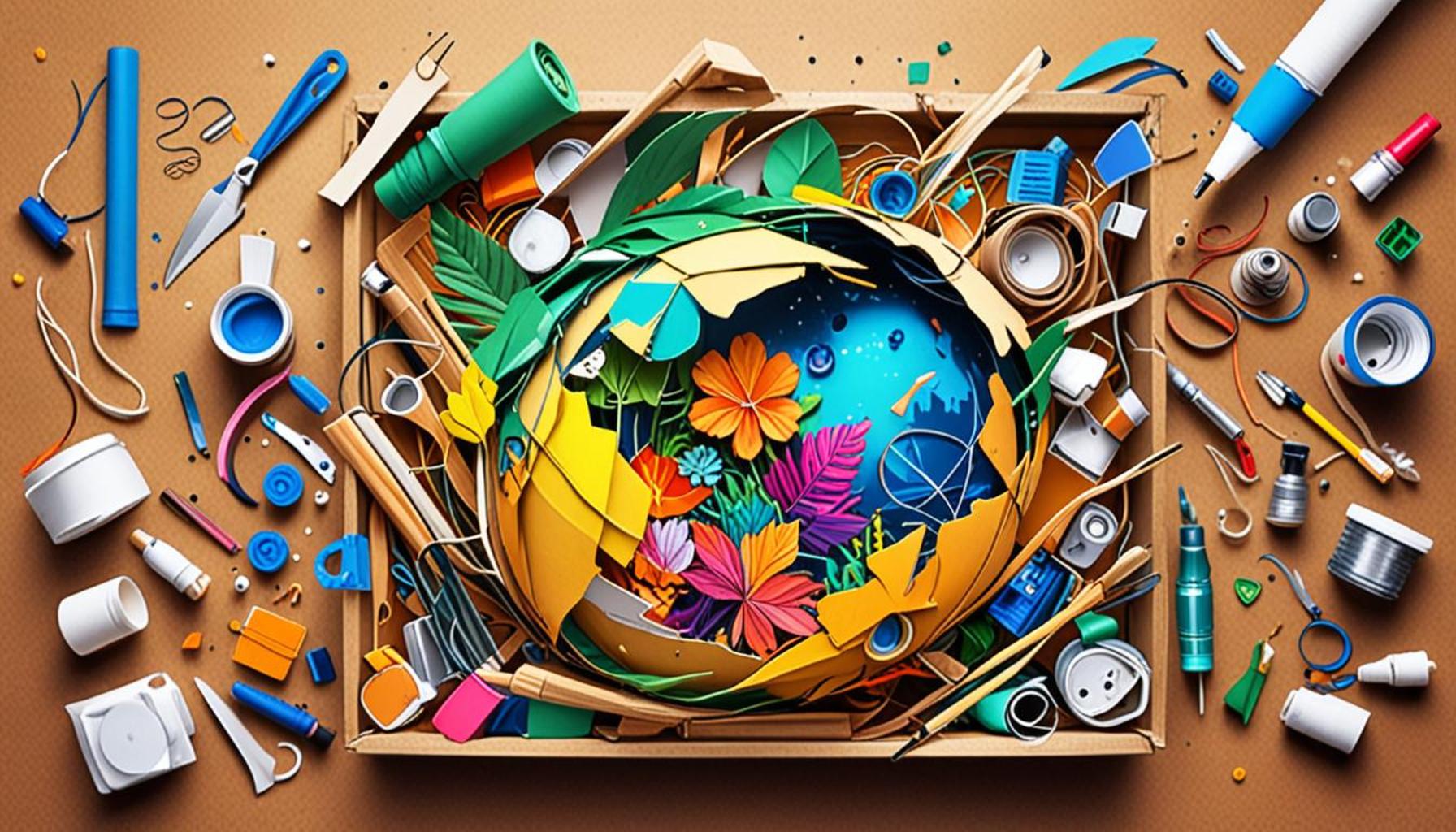
In today’s eco-conscious world, art is experiencing a significant transformation. Artists and crafters are increasingly drawn to the idea of using recyclable materials as a canvas for creativity. This movement not only enhances artistic expression but also promotes sustainability. As society grapples with mounting waste issues, the integration of found objects—like plastic bottles, cardboard, and old textiles—into art serves as a powerful remedy for both environmental and aesthetic concerns.
Benefits of Using Recyclable Materials
Transforming everyday waste into stunning art pieces offers a variety of compelling benefits:
- Reduces landfill waste: Each year, millions of tons of waste are deposited in landfills across the United States. By repurposing materials like glass jars and metal scraps, artists significantly cut down the volume of refuse, allowing them to become stewards for the environment.
- Innovative expression: The use of ordinary objects can lead to breathtaking art forms. For example, the acclaimed artist El Anatsui transforms discarded bottle caps into intricate wall hangings, showcasing how mundane materials can transcend their original purposes to form spectacular art.
- Community engagement: Initiatives like community art projects and workshops encourage collaboration among local artists and residents. For instance, the NYC Garbage Art project involves workshops where participants convert waste into art, fostering both creativity and community spirit.
- Educational impact: Engaging in art projects using recyclable materials can educate participants about recycling processes and the importance of sustainability. Schools and organizations often use such projects to promote discussions on environmental preservation and responsible consumption.
Endless Possibilities in Sustainable Art
From bottle cap mosaics to scrap metal sculptures, the possibilities are endless. Projects like these not only beautify our spaces but also prompt vital conversations about the future of our planet. For example, artists such as Walead Beshty create stunning installations using recycled materials to question consumerism and waste, encouraging viewers to reconsider their own habits.
As more individuals seek sustainable craft projects, it becomes clear that art can play an indispensable role in addressing environmental concerns. Various online platforms and local makerspaces are emerging, offering tutorials and resources to help aspiring artists utilize recyclable materials creatively.
Explore Sustainable Art Projects
Are you ready to dive into the world of sustainable art projects? Whether you’re a seasoned artist or a beginner looking for a new hobby, there are countless ways to turn your recyclable materials into eye-catching creations. From upcycled jewelry to furniture made from reclaimed wood, the creative avenues are limitless.
By refining your artistic skills while contributing to sustainability, you become part of a broader movement aimed at preserving our planet for future generations. Discover how to make impactful art that inspires change and ignites creativity within your community.
DIVE DEEPER: Click here to uncover more about music and cultural identity</
Creative Transformations: Crafting Art from Waste
As artists continue to explore innovative methods of expression, transforming recyclable materials into art stands out as a compelling approach that marries creativity with environmental responsibility. The intersection of art and sustainability encourages individuals to shift their perspectives on waste, turning everyday items into conversation starters and visual spectacles. Not only does this practice shed light on the potential beauty in discarded materials, but it also invites a deeper consideration of our consumption patterns.
Types of Recyclable Materials to Use
When engaging in sustainable craft projects, the first step is identifying the types of materials you have access to. Here’s a list of common recyclable materials that can be creatively repurposed:
- Plastic Bottles: These versatile containers can be transformed into anything from flower pots to whimsical decorations, showcasing their adaptability.
- Cardboard: From packaging boxes to old pizza boxes, cardboard can be cut, folded, and painted to create sculptures, models, or even intricate dioramas.
- Glass Jars: Once destined for recycling, glass jars can be used for candle holders, storage solutions, or decorative vases, enhancing both functionality and aesthetics.
- Textiles: Old clothing and fabric scraps can be stitched or woven into unique quilts, rugs, or wall hangings, adding a personal touch to your home décor.
- Metal Scraps: Discarded cans and metal pieces can be sculpted into art installations or functional items like bird feeders, bridging the gap between art and utility.
The Joy of DIY Sustainable Art Projects
The joy of creating art from recyclable materials often lies in the unexpected outcomes. Each project can tell a story about the transformation it underwent, serving as a reminder of the item’s previous life. For instance, a quirky sculpture created from bent metal and bottle caps might reflect not just artistic ingenuity but also the pressing need to reduce waste, thus serving a dual purpose of aesthetic enjoyment and environmental advocacy.
Moreover, many artists have embraced this challenge, finding ways to incorporate their personal history and cultural backgrounds into their works. From vibrant murals made entirely of reclaimed materials to interactive installations that showcase collective community efforts, these projects resonate more profoundly than traditional art forms. This approach allows viewers to engage not only with the artwork but also with the pressing issues of sustainability and waste reduction.
As you embark on your own artistic journey using recyclable materials, remember that each creation contributes to a larger movement aimed at nurturing our planet. By upcycling and repurposing, you not only showcase your creativity but also inspire others to consider the impact of their consumption choices. This shift in mindset can ripple through communities, encouraging a collaborative approach to sustainability.
| Category | Details |
|---|---|
| Eco-Friendly Practices | Transforming recyclable materials into art reduces waste and promotes sustainability. |
| Creative Expression | Engaging in these projects inspires individuals to innovate and express their unique artistic visions. |
The beauty of transforming recyclable materials into art lies not only in creativity but also in the profound impact it can have on the environment. Through sustainable craft projects, individuals can participate in the global initiative of waste reduction by repurposing items like plastic bottles, old newspapers, and discarded furniture. These materials, often seen as trash, are instead redefined as resources for artistic expression.One captivating example is the creation of stunning sculptures from scrap metal, which showcases both artistry and engineering. These projects not only beautify spaces but also serve as poignant reminders of the importance of recycling. Workshops and community events centered around crafting with recyclable materials are increasingly popular, drawing in diverse groups of people eager to learn the skilled techniques involved.Additionally, such sustainable practices can lead to the development of desired skills, enhancing creativity while promoting a healthier planet. Engaging in these projects fosters a sense of community and responsibility, encouraging participants to think critically about their consumption patterns and the life cycle of materials. As the world shifts toward sustainability, the need for innovative craft projects using recyclable materials becomes ever more crucial, offering not just solutions but a new lens through which to view waste.
DIVE DEEPER: Click here to uncover the power of collaboration in music
Engaging the Community: Collaborative Art Projects
Art has the remarkable ability to foster community connections, and when it involves transforming recyclable materials, the impact can be even more profound. Community art projects that utilize recycled materials engage people of all ages and backgrounds, encouraging teamwork while promoting environmental awareness. Events like an “Upcycle Festival” or collaborative workshops where participants create large-scale community art pieces from recycled items have gained momentum across the United States.
These collaborative projects not only beautify neighborhoods but also serve as important educational platforms. For example, in cities such as San Francisco, organizations run workshops where locals can learn about sustainable crafting techniques while actively participating in projects that use materials sourced from their own homes. By turning waste into art together, participants build connections, learn practical skills, and collectively internalize the importance of reducing waste.
Highlighting Local Artists and Their Innovations
Numerous artists throughout the nation have pioneered significant innovations in the realm of recyclable art. Renowned artists like El Anatsui and Vik Muniz have made waves by utilizing materials often overlooked, such as bottle caps, old plastic, and discarded textiles, to create stunning large-scale installations. El Anatsui’s works, for instance, often weave thousands of discarded bottle tops into enormous, shimmering tapestries, which not only captivate audiences but also spark conversations about consumption and waste.
In urban centers such as New York City, artists are increasingly incorporating street art into this movement. With materials salvaged from construction sites, artists create stunning murals that both beautify the urban landscape and tell a story about preservation and sustainability. These pieces invite passersby to reconsider their relationship with waste and inspire them to think creatively about their own discarded items.
Online Platforms and Resources for Sustainable Projects
The rise of social media has played a pivotal role in connecting enthusiasts focused on art from recyclable materials. Platforms like Pinterest and Instagram teem with creative ideas and tutorials on sustainable craft projects. Users can find step-by-step guides on turning everyday rubbish into beautiful art pieces, including imaginative home décor and gifts that carry a meaningful message. Additionally, websites such as Upcycle That and Earth 911 offer comprehensive resources, including project ideas, sustainability tips, and lists of usable recyclable materials.
Furthermore, communities can utilize platforms like Meetup to organize groups focused on upcycling. These gatherings provide opportunities for individuals to exchange ideas, collaborate on projects, and share skills. The communal aspect of crafting from waste not only strengthens social bonds but also amplifies the message of sustainability, demonstrating that collective creativity leads to impactful change.
With such diverse avenues for inspiration and community engagement, the movement of transforming recyclable materials into art continues to grow. As more individuals and groups participate, the dialogue surrounding sustainable practices and responsible consumption becomes increasingly vital, establishing art as a powerful conduit for change. Whether through public installations, personal crafting projects, or community-driven initiatives, the potential to spark creativity from waste remains boundless.
DIVE DEEPER: Click here to discover how music brings communities together
Conclusion: The Art of Sustainability
As we delve deeper into the world of transforming recyclable materials into art, it becomes clear that this movement transcends mere creativity. It embodies the intersection of environmental responsibility, community engagement, and innovative expression. Through a myriad of sustainable craft projects, individuals and communities have the opportunity to rethink their relationship with waste, highlighting the importance of reducing consumption and repurposing discarded items.
Collaborative initiatives not only beautify our surroundings but also foster a sense of belonging and shared purpose. By participating in communal art projects, locals can engage with one another and deepen their understanding of sustainability while honing their artistic skills. Additionally, the proliferation of online resources, coupled with social media platforms, continues to spur creativity and connection, making it easier for enthusiasts to share ideas and inspire one another.
Moreover, the work of local artists who utilize odd materials to create stunning masterpieces further ignites the conversation around sustainability and consumption. These innovatory visions serve as potent reminders that art can provoke change and drive awareness about ecological issues. As we move forward, it is essential to recognize the integral role that art plays in our society and how it can serve as a catalyst for a more sustainable future.
In conclusion, the potential for creating beauty from waste is limitless. By embracing the philosophy of upcycling, we not only contribute to a healthier planet but also unlock a new realm of artistic possibilities. Let us continue to explore, create, and inspire as we transform recyclable materials into remarkable works of art that reflect our commitment to sustainability.