Transforming Antique Furniture: Upcycling Projects for a Vintage Style
Unlock the Potential of Antique Treasures
Antique furniture holds rich stories and unparalleled craftsmanship. However, its classic appeal can sometimes feel outdated in modern homes. That’s where upcycling projects come into play, breathing new life into these vintage pieces.
Why Upcycle Antique Furniture?
Upcycling is more than just a trend; it’s a sustainable choice that offers numerous benefits. As environmental awareness rises, many homeowners are looking for ways to reduce their carbon footprint, and upcycling antique furniture aligns perfectly with this goal. By repurposing furniture, individuals contribute to a circular economy, minimizing waste by giving new life to old items rather than contributing to landfill overflow.
- Environmental Impact: Upcycling reduces waste by creatively reusing what might otherwise be discarded. For instance, in the United States alone, the Environmental Protection Agency reported that in 2018, about 9.69 million tons of discarded furniture ended up in landfills. By choosing to upcycle, you are actively combating this issue and promoting a more sustainable future.
- Cost-Effective: Revamping an antique can be financially advantageous. Purchasing high-quality new furnishings significantly impacts one’s budget, and many find that with the right tools and a bit of creativity, a DIY upcycling project can be accomplished for a fraction of the cost. Consider a $200 antique desk revitalized with fresh paint and hardware, in comparison to a similar new model retailing at $600.
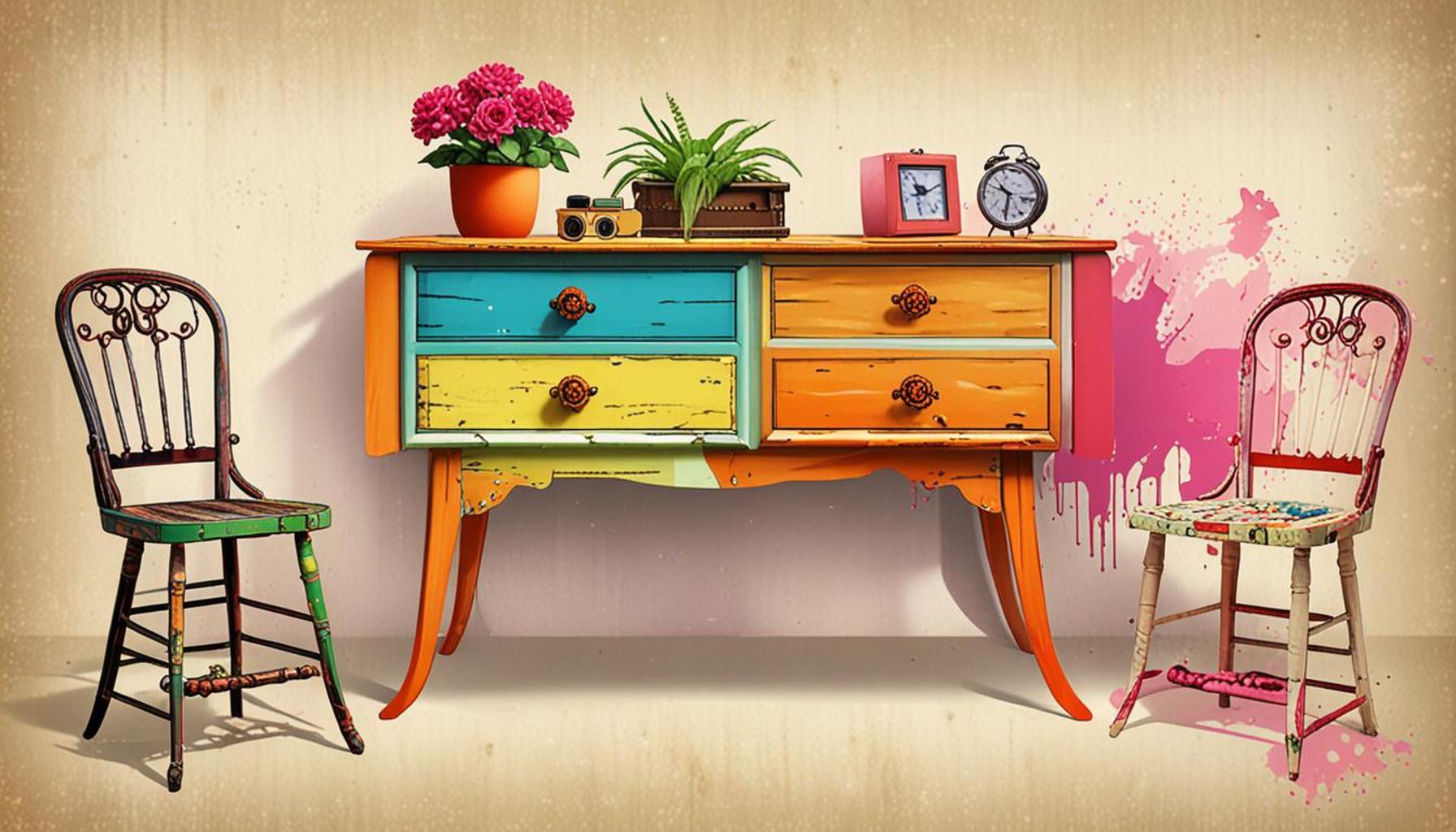
- Unique Style: Each upcycling project yields a one-of-a-kind creation, which is a great conversation starter and a reflection of your personal taste. For example, an old chest of drawers could be painted in a bold hue and fitted with stylish modern knobs to seamlessly integrate into a contemporary decor aesthetic.
Exciting Upcycling Ideas
Wondering how to start? Here are some inspiring ideas to kick off your creative journey:
- Chalk Paint Makeover: This user-friendly option allows for a quick refresh of old dressers or tables. The matte finish of chalk paint not only adds a vintage look but offers ease of application without the need for extensive preparation. Imagine transforming an oak side table into a soft pastel piece that complements your living room.
- Functional Art: Transforming an ornate headboard into a stunning bench can be a delightful project that serves both form and function. A creatively repurposed headboard can add seating and character to a hallway or garden, blending whimsy with practicality.
- Layered Textures: By combining materials such as wood, fabric, and metal, individuals can achieve a distinctive look that captures attention. Think of an antique trunk that is fitted with colorful fabric cushions on top, becoming a stylish coffee table that invites both functionality and a touch of flair.
By embracing these upcycling projects, you can not only preserve the charm of your antique furniture but also adapt them to fit your contemporary living space. From creating a rustic-inspired dining table to breathing new life into vintage chairs, the possibilities are boundless. Dive in and explore the endless potential that awaits, transforming not just furniture, but also the very essence of your home.
DISCOVER MORE: Click here to find your perfect musical match
Creative Ways to Revive Antique Furniture
As the growing trend of sustainability permeates the design world, transforming antique furniture through upcycling projects becomes an attractive option for many homeowners. Not only does this practice honor the craftsmanship of yesteryears, but it also introduces a fresh personality to your living spaces. Here, we delve into the practical aspects of upcycling, from understanding what projects work best for different types of antique furniture to the techniques that can help achieve remarkable results.
Choosing the Right Project for Your Antique Piece
Before diving into your upcycling venture, assessing the condition and style of the antique furniture is essential. Some pieces may require significant repairs, while others only need minor enhancements. Take the time to inspect joints, veneers, and finishes, and consider how these attributes can influence your project. Here are a few ideas to guide your selection:
- Restoration vs. Repurposing: For items in excellent condition, restoration may be the preferred route. This can involve refinishing the wood, reupholstering worn seats, or repairing damaged structures. With a little skill and patience, you can preserve the original character while enhancing functionality.
- Adapt for New Uses: If a piece has seen better days, consider repurposing it entirely. An old dining table can become a striking desk, while a tall dresser can be converted into a charming bookshelf. The key is to envision the item in its new role and adjust it accordingly.
- Embrace Mixed Media: Combining traditional antique elements with modern materials can create striking contrasts. For example, pairing an old wooden cabinet with sleek metal handles can serve as a bridge between two design eras. Experimenting with mixed media can yield captivating results that appeal to those with eclectic tastes.
Essential Techniques for Upcycling
Now that you have an idea of what pieces to target, it’s time to roll up your sleeves. Here are some essential techniques that will help elevate your upcycling project:
- Painting: A fresh coat of paint can work wonders, especially with chalk paint that adheres well to various surfaces without the need for extensive prep work. Colors like deep navy or soft sage can enhance the vintage feel while aligning beautifully with modern décor.
- Decoupage: This technique allows you to infuse personality through decorative paper or fabric. Whether it’s a floral print on a side table or maps on a cabinet, decoupage can elevate a simple piece into a stunning focal point.
- Distressing: For those who love a rustic aesthetic, distressing techniques can create an aged look that highlights the character of the furniture. Whether through sanding or applying a glaze, these methods enhance the vintage charm by adding depth and warmth.
With these guidelines in mind, upcycling your antique furniture becomes an accessible and rewarding endeavor. As you embark on these projects, not only will you infuse your home with unique charm, but you’ll also be honoring the artisanship of the past while making a sustainable choice for the future.
| Advantage | Description |
|---|---|
| Sustainability | Upcycling antique furniture minimizes waste, promoting an environmentally friendly approach to home decor. |
| Unique Aesthetic | Vintage style upcycling offers one-of-a-kind pieces that tell a story and enhance the character of any space. |
Embracing the trend of transforming antique furniture through upcycling projects not only caters to eco-conscious consumers but also allows individuals to create personalized decor that reflects their unique tastes. The sustainability aspect is paramount; by choosing to upcycle rather than discard, creators contribute to reducing landfill waste and preserving natural resources. Additionally, antique pieces often boast craftsmanship that is rare in modern furniture, offering durability and timeless appeal. Upcycling enables creative enthusiasts to explore techniques such as painting, reupholstering, or refinishing, which can dramatically change the appearance while maintaining the integrity of the original piece. The charm of vintage style lies in its ability to evoke nostalgia while seamlessly blending contemporary touches. An upcycled armchair can become a vibrant centerpiece, while a refurbished dresser can serve as both a functional and artistic element in a room. This fusion of past and present captivates lovers of interior design and fuels ongoing conversations about the importance of sustainability and creativity in home environments.
DIVE DEEPER: Click here to find your perfect instrument
Getting Innovative: Unique Upcycling Ideas for Antique Furniture
Upcycling isn’t just a trend; it’s an art form that invites creativity and resourcefulness into your home. In the realm of antique furniture, innovative ideas can turn forgotten pieces into statement items that resonate with history while fitting seamlessly into contemporary lifestyles. Here are some unique upcycling projects that will inspire you to think outside the box.
Transforming Chairs into Art
Chairs are one of the most versatile antique furniture pieces, often found in various forms, from high-back dining chairs to ornate accent pieces. Consider the potential of transforming these relics:
- Chair Planters: For those with a green thumb, why not convert an old wooden chair into a plant stand? Remove the seat to create space for pots and paint the frame in a fresh hue to match your garden aesthetics. This not only saves space but also brings a charming vintage flair to your outdoor area.
- Upholstered Wall Art: Elevate your decor by utilizing upholstered chairs to create dramatic wall art. Unscrew the seat from the base, mount it onto a wooden frame, and hang it as unique wall decor. Select fabrics with bold patterns or colors to turn this project into a personalized focal point.
Revamping Dressers and Cabinets
Antique dressers and cabinets can hold so much potential beyond their original function:
- Book Display: If you have a charming dresser with shallow drawers, think about converting it into a book display. Remove the knobs and make minimal adjustments to the interior. Instead of books, you can showcase your favorite antiques, photos, or curated items, creating an eye-catching vignette.
- Multi-Functional Mudroom Storage: An old cabinet can be a perfect candidate for mudroom transformation. By adding hooks for coats and baskets for shoes, you can adapt it to meet the needs of modern life while preserving its vintage charm. A coat of paint or some distressing will make it a stylish addition to your entryway.
Innovative Uses for Tables
Tables can be particularly rewarding to upcycle due to their size and prominence in any room:
- Desk Makeover: Turn an antique dining or coffee table into a stylish workspace. By adding a fresh coat of lacquer, new hardware, and possibly a built-in charging station, it can seamlessly fit into a modern office setting while retaining vintage character.
- Gallery Wall Tables: For a unique twist, consider using an old side table as a platform to display family photos or art pieces. Paint the table a bold color, and then install a shallow frame around the top to create a shadow box effect. This multi-functional table can evolve the concept of a gallery wall by integrating furniture into art.
Each reimagined piece not only reflects your creative vision but also sparks conversations that intertwine history and contemporary design. Through innovative approaches, upcycling transforms antique furniture from merely functional items into vibrant narratives infused with personal significance. Whether your aim is sustainability or simply adding character to your home, these projects invite you to redefine and celebrate antique furniture in modern contexts.
EXPLORE MORE: Click here to dive deeper into music genres and their cultural impact</p
Conclusion: The Art of Upcycling Antique Furniture
In an era where sustainability meets creativity, the art of upcycling antique furniture offers a unique avenue for personal expression and environmental consciousness. The projects shared throughout this article illustrate that with a little imagination and resourcefulness, pieces that have weathered time can be transformed into stunning and functional elements of modern decor. By reimagining chairs, dressers, cabinets, and tables, antique relics are not only salvaged but also rejuvenated with new life and purpose.
These transformations foster a deeper appreciation for craftsmanship and history while catering to current styles and needs. The act of breathing new life into vintage furniture not only contributes to a sustainable lifestyle but also creates conversations around the rich narratives each piece carries. Whether you opt for a practical solution like a multi-functional cabinet in your mudroom or a show-stopping gallery table for your living room, every creation serves as a testament to your unique aesthetic and values.
As you embark on your own upcycling projects, consider the possibilities that lie within the pieces you own or find. Embrace the opportunity to innovate, blend styles, and make bold choices. In doing so, you will not only beautify your space but also participate in a growing community that values the blend of old and new. Transforming antique furniture into modern treasures is not just about creating décor; it’s about honoring tradition while paving the way for future stories. So, roll up your sleeves, gather your tools, and let your imagination soar as you redefine vintage style in your home.