The Role of Collaboration in Artistic Creation: Collective Projects and Shared Experiences
Understanding the Power of Collaboration in Artistic Creation
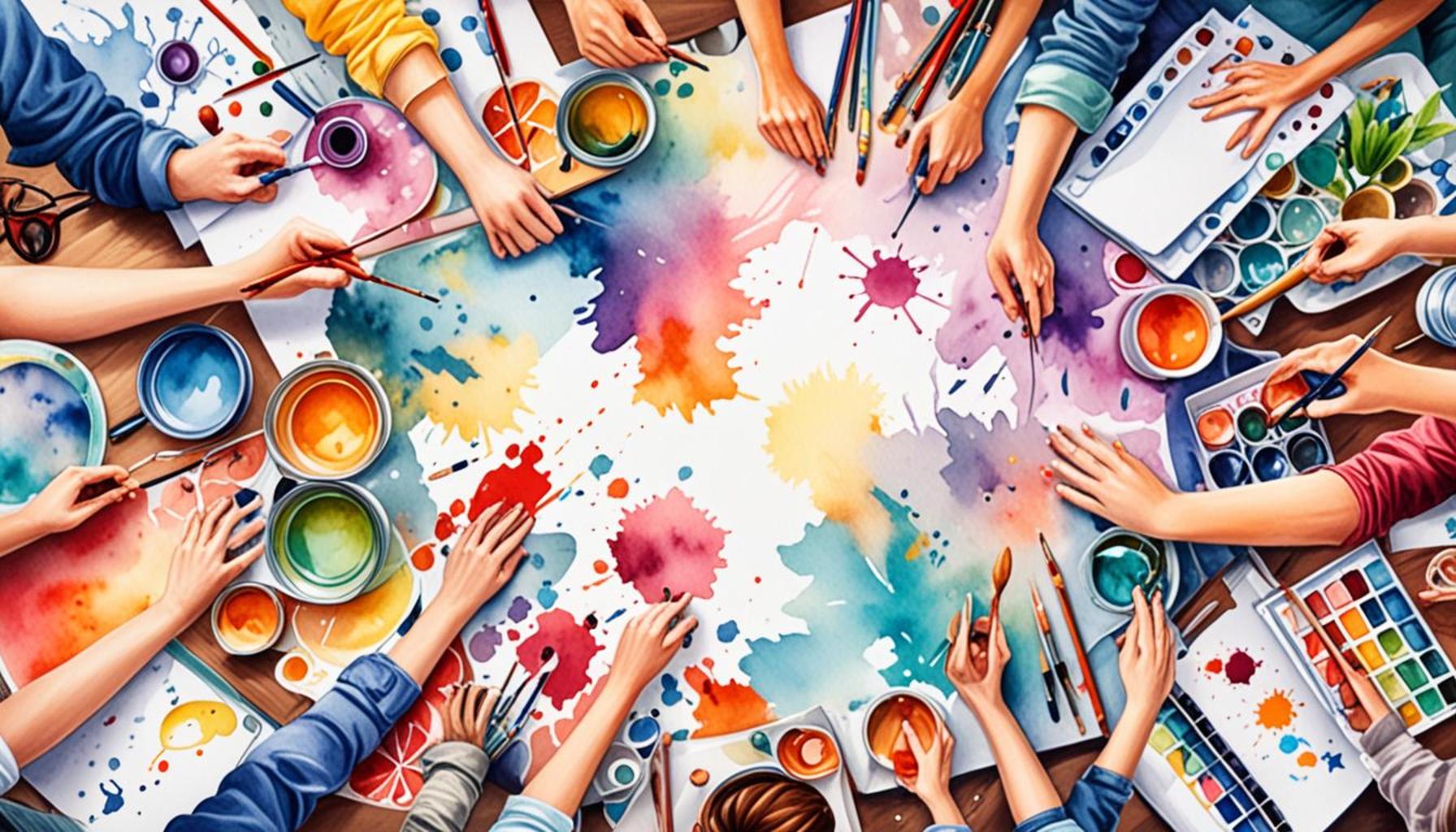
Artistic creation has consistently flourished in environments where individuals come together to share ideas and resources. Collaboration enriches creativity, enabling artists to blend their unique perspectives and skills into a harmonious expression. This synergy often results in innovative works that stand out amidst a crowded art landscape. When artists collaborate, they don’t merely combine their talents; they also harness the potential of diverse backgrounds, experiences, and techniques, which ultimately leads to groundbreaking art forms.
Consider the dynamic outcomes of collaborative efforts, such as:
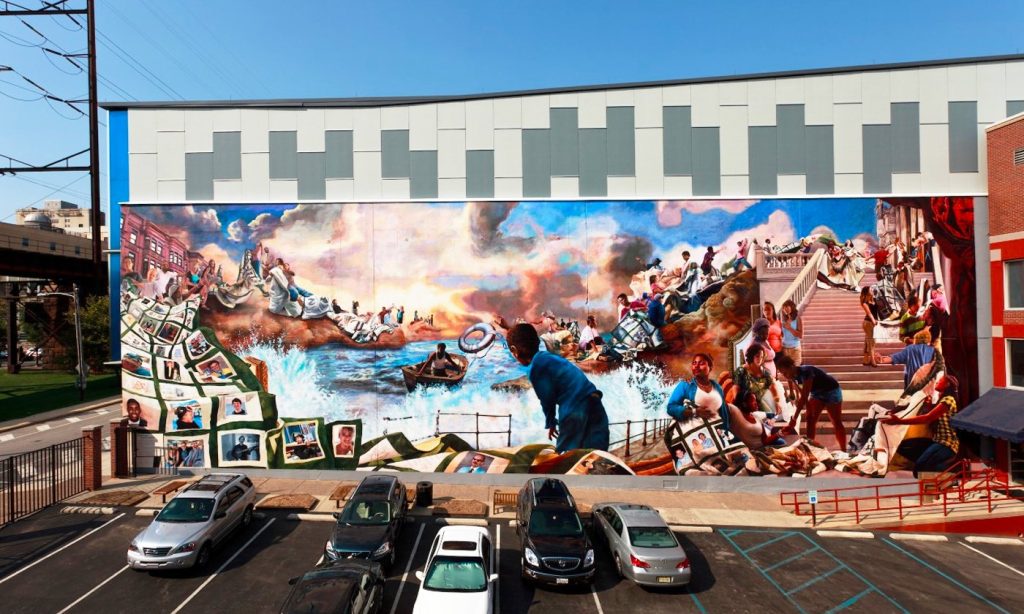
- Community Murals: In cities across the United States, local artists have come together to create massive murals that not only beautify urban spaces but also reflect the community’s culture and identity. For instance, the “Wash Away Your Sins” mural in Philadelphia encourages dialogue about addiction and recovery, while the vibrant murals in Detroit serve as a canvas for cultural expression and social activism.
- Musical Collaborations: Bands and individual artists often merge genres, reshaping the musical landscape. One prominent example is the collaboration between Lil Nas X and Billy Ray Cyrus on “Old Town Road,” which fuses country and hip-hop, creating a sound that resonated with a diverse audience, breaking records along the way.
- Theatrical Productions: Community theaters frequently unite diverse talents to produce compelling narratives. Productions like “Hamilton,” which blends hip-hop with a historical narrative, showcase how varied influences can culminate in art that captivates audiences on a national stage.
When artists engage in collective projects, they share not only the workload but also the passion and emotional investment that come with creating together. These collaborations foster deeper connections that can lead to:
- Cross-Pollination of Ideas: Through collaboration, artists gain fresh perspectives that inspire new directions in their own work. An example is the partnership between visual artist Ai Weiwei and composer Tan Dun, illustrating how collaboration across disciplines can give rise to unexpected and inspiring outcomes.
- Expanded Audiences: Collaborative works often attract fans from diverse backgrounds, introducing them to new forms of expression. A poignant example is the amalgamation of artists across racial and cultural lines to produce music and art that speaks to a broader audience, such as the collaboration seen in the “We Are the World” project.
- Enhanced Emotional Resonance: Joint narratives can achieve a powerful impact by combining different storytelling techniques and emotional insights. Performances blending dance, music, and visual arts, like those put on by interdisciplinary teams at events like the Sundance Film Festival, illustrate how collaboration enhances viewer engagement.
In the era of digital connectivity, the landscape of collaboration has transformed significantly, expanding beyond traditional boundaries. Artists can now connect globally, sharing ideas and enriching their creations in ways never before imagined. Digital platforms allow artists from different parts of the world to collaborate on projects, transcending geographical barriers and cultural divides. This exploration of collaboration in artistic creation invites us to understand not only how collective efforts shape art but also how they influence the communities and cultures that surround us, ultimately reflecting our shared human experience.
DISCOVER MORE: Click here to dive into creative sustainability
Collaboration as a Catalyst for Creativity
In the world of artistic creation, collaboration serves as a powerful catalyst that elevates individual talents and broadens artistic horizons. When artists come together, they create a fertile ground for experimentation and innovation, transforming simple ideas into profound expressions of creativity. The beauty of collaborative projects is that they can take many forms: from spontaneous jam sessions among musicians to meticulously planned art installations that bring together a multitude of disciplines. Each collaboration tells a unique story, shaped by the individual voices that contribute to it.
One of the most significant aspects of collaboration is the way it fosters a cross-pollination of ideas. When artists share their diverse influences and techniques, it opens up new avenues for exploration. For example, the renowned art collective TeamLab, known for its immersive digital installations, unites artists, programmers, and engineers to create experiences that merge art and technology. Such collaborative efforts not only push the boundaries of traditional art forms but also invite audiences to engage with art in a more interactive and meaningful way.
The impact of collaboration extends beyond the artists themselves; it resonates deeply within communities. Local initiatives often take the shape of collective projects that bring together artists from varying backgrounds to address social issues and promote cultural awareness. These projects can lead to defining moments in a community’s artistic landscape. For instance, the Detroit Sound Conservancy has worked alongside local musicians, activists, and historians to encapsulate the city’s rich musical heritage while simultaneously providing a platform for underrepresented voices in the music scene.
Through collaborative projects, artists are also able to enhance their emotional resonance with audiences, tapping into shared experiences that transcend individual narratives. This collective storytelling can be seen in initiatives like the Chicago Public Art Program, which empowers citizens to create public art that symbolizes their collective identity and struggles. Such projects not only beautify neighborhoods but also foster a sense of belonging and pride, demonstrating how art can act as a reflection of community spirit.
Another example of collaboration fueling emotional connections can be found in the realm of theatrical arts. Productions like “For colored girls who have considered suicide / when the rainbow is enuf” have brought together playwrights, directors, and performers from varied backgrounds to explore themes of race, identity, and resilience. This collaborative approach allows for layered storytelling, as each artist contributes their experiences, resulting in a powerful narrative that resonates on multiple levels.
As we venture further into the digital age, the possibilities for collaboration in artistic creation continue to expand. Artists can now form virtual alliances, creating intricate works that bridge cultural and geographical divides. Platforms like Instagram and Artsy enable artists from different corners of the globe to meet, collaborate, and present their collective work, illustrating the democratization of art through collaboration.
These facets of collaboration in artistic creation not only showcase the transformative power of shared experiences but also emphasize the importance of collective efforts in shaping a more inclusive and diverse artistic landscape. As we move forward, it is clear that collaboration is not merely an option but a necessity for artists looking to thrive in an interconnected world.
| Advantages | Characteristics |
|---|---|
| Enhanced Creativity | Collaboration encourages the fusion of diverse ideas, enriching the creative process. |
| Increased Skill Sharing | Artists can learn from each other’s expertise, leading to personal and professional growth. |
| Broader Audiences | Collaborative projects often attract a wider range of viewers, expanding the reach of artistic works. |
| Community Building | Artistic collaboration fosters connections among individuals, leading to a supportive network. |
The collaborative process in artistic creation significantly enhances creativity and innovation. Artists working together can combine their backgrounds, resulting in unique perspectives that challenge traditional notions of art. This environment not only facilitates spontaneous exchanges of ideas but also allows for the co-creation of projects that reflect communal experiences. Moreover, the ability to share skills in a collaborative setting promotes personal and professional growth. Artists can hone their techniques and broaden their capabilities, ultimately leading to a rich tapestry of collective talent. This enhances the potential for groundbreaking works that might not emerge in solitary endeavors.Thus, collaboration becomes a tool for reaching broader audiences who appreciate the diverse expressions emerging from such communal engagements. The aspect of community building is another exciting dimension of artistic collaboration. It transcends individual achievements, allowing for the formation of a network that nurtures creativity and creates an ecosystem of support for artists. These shared experiences not only enrich the artists’ journey but also resonate with the audience, creating layers of meaning and connection in artistic creation.
DON’T MISS: Click here for essential tips on home recording
Building Bridges Through Collaborations
As the landscape of artistic expression evolves, collaboration becomes an increasingly vital element in bridging gaps between genres, cultures, and communities. In particular, the influence of interdisciplinary partnerships is noteworthy, as artists from distinct fields coalesce to produce works that challenge traditional notions of art. This melding of expertise can lead to groundbreaking experiences that captivate audiences while redefining the contours of artistic innovation.
The concept of cross-genre collaborations has surged in popularity, particularly in music and performance arts. The fusion of hip-hop and classical music exemplifies how collaboration can yield fresh, invigorating sounds that resonate across generations. Projects such as the “Hip-Hop Orchestra” integrate rap with symphonic elements, allowing artists like cellist Yo-Yo Ma to engage with new audiences while expanding the reach of both art forms. The result is an entirely new genre that not only enhances the artists’ visibility but also invites collaboration beyond the expectations of their typical audiences.
Conversely, the visual arts sector showcases examples of unconventional collaborations that utilize urban spaces as canvases. Street art, for instance, plays a significant role in bringing together various stakeholders—from graffiti artists to local businesses and city officials. Projects like “The Sidewalks of New York” feature street murals created by artists from diverse backgrounds, using their talents to narrate stories that reflect the spirit of their neighborhoods. These initiatives elicit community engagement, transforming public spaces into vibrant showcases of local culture and collective aspirations.
Facilitating Educational Collaborations
Collaboration in artistic creation extends its reach into educational realms, where mentorship programs and workshops bring together aspiring artists and established creators. These platforms provide invaluable opportunities for knowledge transfer and skill development. A prime example is the Artistic Residencies program at the Anderson Ranch Arts Center in Colorado, where emerging artists work with seasoned professionals to cultivate their craft. Collaborative mentorship not only enriches the learning experience but also fosters connections that can last a lifetime, thereby creating a supportive ecosystem for artistic growth.
The integration of technology in collaborative environments has further transformed artistic education. Online platforms, such as Skillshare and Coursera, have made it possible for artists around the world to collaborate on projects, share techniques, and gather feedback in real-time. Virtual workshops allow diverse participants to contribute their unique perspectives, thus enriching creative outcomes and democratizing the learning process. This digital transformation is particularly relevant during times when physical interactions are limited, showcasing resilience and adaptability in creative practices.
The Role of Community in Artistic Collaboration
The community aspect of collaboration proves essential in creating a sense of belonging and inclusivity. As artists join forces to create works that speak to collective experiences, they often find a unifying thread that resonates within their audiences. Initiatives like the Harlem Renaissance serve as historical touchstones, reminding us of the power of artistic communities to instigate social change. This historical context inspires today’s artists to harness their collective voices, as seen in contemporary movements advocating for social justice, including the Black Lives Matter artistic movement which has mobilized artists to convey vital commentary through mural arts, performances, and installations.
In summary, collaboration transcends simple interactions within the arts, inviting multifaceted approaches that enhance creativity and foster deeper connections among artists and their audiences. As the world continues to connect in newfound ways, the role of collaboration in artistic creation will undeniably be pivotal in shaping the future of art and cultural expression.
DIVE DEEPER: Click here to unlock your imagination
Conclusion: The Transformative Power of Artistic Collaboration
In conclusion, the role of collaboration in artistic creation is indeed transformative, acting as a catalyst for innovation and community engagement. Collaborative projects not only result in unique and diverse artistic expressions but also foster a sense of belonging and shared identity among artists and their audiences. As illustrated by various examples—from cross-genre partnerships in music to community-driven street art—all forms of collaboration contribute to the richness and vibrancy of the cultural landscape.
Moreover, the integration of technology in the artistic collaborative process opens avenues for limitless interaction and creativity. Platforms that facilitate virtual workshops and global collaborations redefine the boundaries of artistic engagement, making it possible for diverse voices to be heard and valued.
As we look to the future, it is essential to recognize that these collective experiences hold the potential not only to push the boundaries of individual artistic practices but also to address social issues and reflect the complexities of modern society. Artistic collaboration serves a dual purpose—enhancing creativity while promoting inclusivity and social unity. In this ever-evolving art world, the question is no longer whether collaboration matters, but rather how it can continue to shape and define the cultural narratives of our time.
By embracing the spirit of collaboration, artists can continue to create impactful works that resonate across generations and inspire collective action, inviting everyone to partake in the transformative journey of artistic creation.