The Connection between Artistic Expression and Personal Identity
Understanding the Connection Between Artistic Expression and Personal Identity
Artistic expression serves not only as a reflection of individual experiences but also as a catalyst for shaping one’s identity. Across various mediums such as painting, music, and writing, individuals often pour their personal narratives, feelings, and cultural backgrounds into their creative endeavors. This process reveals essential facets of who they are, intertwining art with identity in profound ways.
To better grasp this relationship, let’s explore three significant avenues through which artistic expression affects personal identity:
- Cultural Representation: Artists frequently channel their heritage into their work, benefiting from a deep well of tradition and history. For example, Native American artists might incorporate symbolic elements that reflect their tribal customs, creating works that educate viewers about their rich cultural backgrounds. Similarly, African American artists have used art to communicate the complexities of their experiences, from the struggles of systemic racism to the celebration of cultural achievements.
- Emotional Release: The act of creating art can also provide therapeutic benefits, allowing individuals to process complex emotions and traumas. Visual artists often find solace in transforming pain into images on canvas, while writers might pen their struggles into evocative stories or poetry. Consider the impact of Frida Kahlo’s self-portraits, which depict her physical and emotional suffering; through her art, she articulated her identity shaped by pain and resilience.
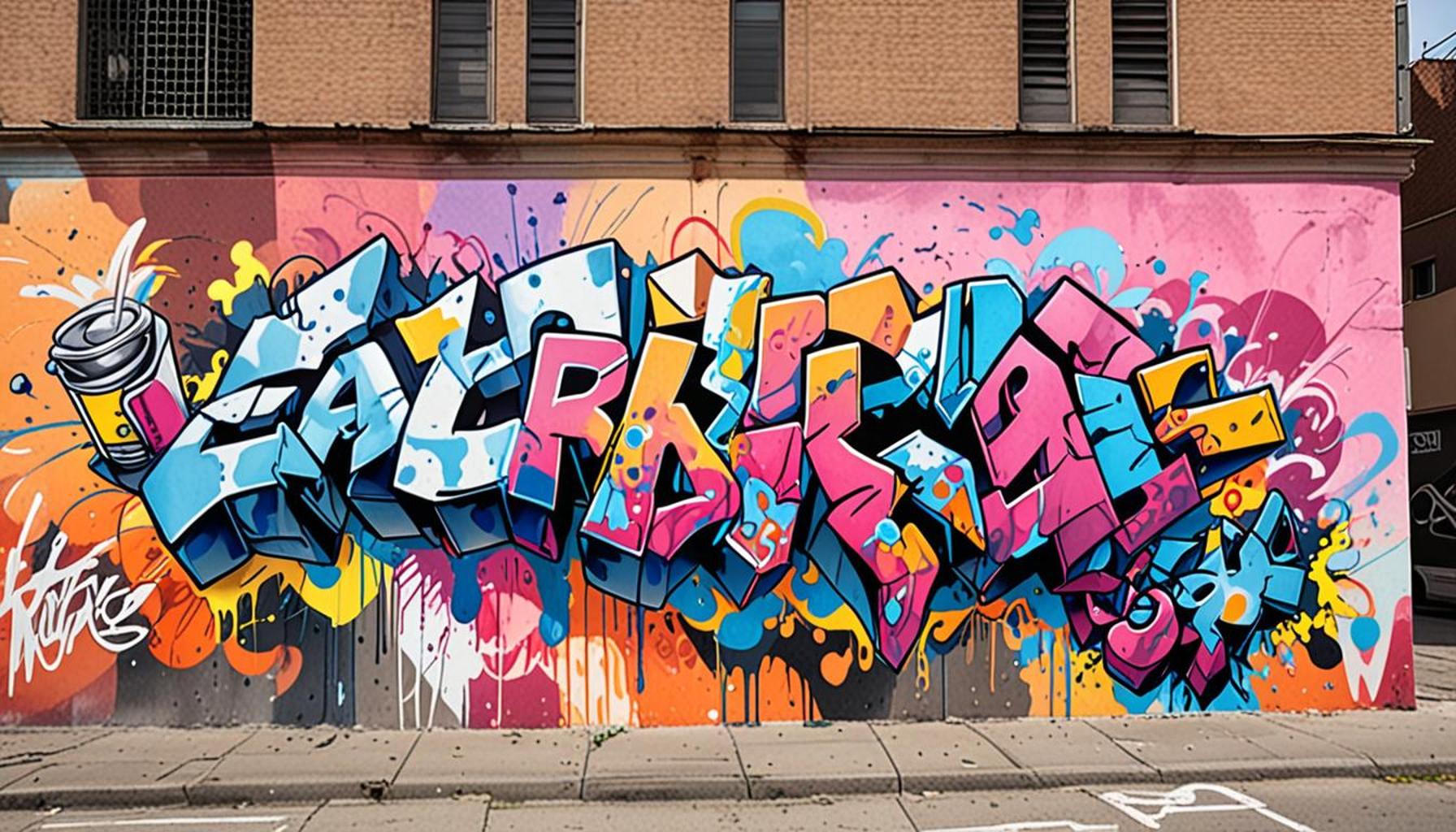
- Social Commentary: Art has the capacity to spark dialogue surrounding societal issues, effectively becoming a voice for the voiceless. Street art, for example, has emerged as a vital platform for marginalized communities to express their views on injustices. In cities like New York and Los Angeles, murals often reflect local issues such as inequality, immigration, and police brutality, challenging viewers to confront uncomfortable truths about society.
The diverse artistic landscape across the United States vividly showcases the multitude of identities that inhabit the country. From the urban street art that tells the stories of communities to the poignant melodies found in American folk music, each art form serves as a microcosm of personal and collective experience. Artists like Bob Dylan articulated the sentiments of a generation, using music to connect deeply with social movements and personal grievances.
By delving deeper into the interplay between art and identity, we can begin to understand how these creative outlets not only tell stories but also forge connections among individuals and communities. Engaging with art in this way allows us to appreciate not just the aesthetic value but also the rich narratives and diverse perspectives embedded within, inviting us to explore our identities in the process.
DISCOVER MORE: Click here for fun and educational craft ideas
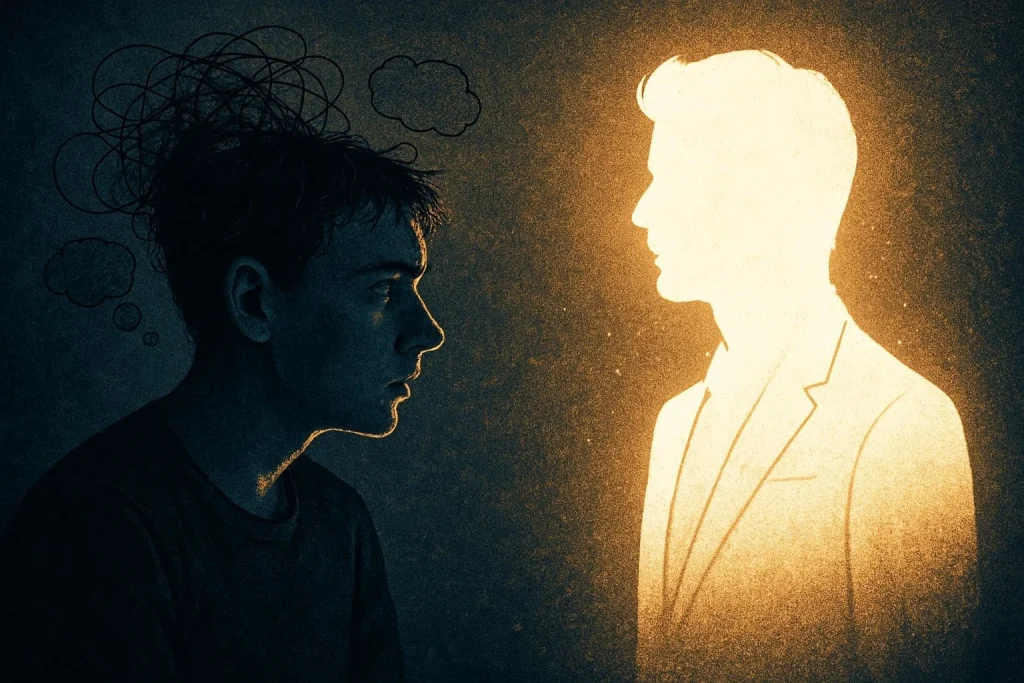
The Interplay of Culture and Art in Shaping Identity
The connection between artistic expression and personal identity is strongly influenced by cultural representations, allowing individuals to weave their heritage into the fabric of their creations. This dynamic interplay not only enriches the artist’s work but also educates the audience about the complexities of different cultural narratives. For instance, Asian American artists often blend traditional motifs with contemporary themes, exploring their dual identity in a society that frequently categorizes individuals into monolithic groups. Through these artistic expressions, they confront stereotypes and assert the multifaceted nature of their identities.
Certain genres of art are also steeped in the exploration of personal narratives, where artists use their works to navigate the complexities of their backgrounds. For example, Chicano art combines elements of Mexican culture with the realities of living in America, offering a counter-narrative to the dominant culture’s portrayal of Latino identities. This art form resonates widely within communities, serving as a powerful reminder that identity is not a static construct but rather an evolving story influenced by history, environment, and personal experiences.
Emotional Resonance in Artistic Creation
The emotional power of art serves as another key vehicle for expressing personal identity. Artistic creation can act as a mirror reflecting one’s internal struggles and triumphs. When artists engage in their craft, they often find a profound sense of emotional release. This therapeutic process can be particularly meaningful for those grappling with issues such as mental health, trauma, or loss. For instance, during the COVID-19 pandemic, many artists turned to various mediums to voice their experiences of isolation, anxiety, and hope. The artwork created during this tumultuous time has offered viewers a shared understanding of common struggles and a space for collective healing.
- Digital Art: With the rise of social media platforms, digital art has burgeoned as a form of expression that resonates with younger generations. Artists can share their struggles and triumphs in real-time, forging connections with a wider audience.
- Performance Art: In performance-based arts, artists often embody personal narratives, drawing upon their life experiences as a form of storytelling. This immediate engagement captivates audiences, allowing them to partake in the artist’s journey directly.
- Literary Narratives: Writers frequently weave themes of identity, including race, gender, and class, into their narratives. Books such as “The Brief Wondrous Life of Oscar Wao” by Junot Díaz explore the intersection of personal and cultural identity, inviting readers to reflect on their own experiences.
Through these various forms of artistic expression, individuals not only articulate their own identities but also build bridges with others who share similar stories. The dialogue fostered through art creates a sense of belonging, proving that while personal experiences may differ, the shared emotions and insights resonate across diverse communities. By recognizing the importance of these connections, we begin to see how artistic expression serves as a powerful tool in shaping not only individual identities but also the collective identity of communities.
The Connection between Artistic Expression and Personal Identity
Artistic expression is a profound medium through which individuals communicate their thoughts, emotions, and identity. Every stroke of a paintbrush, every note of a song, and every written word resonates on a personal level, allowing creators to convey their unique experiences and perspectives. This multifaceted relationship between art and identity is not merely coincidental; it serves crucial psychological and social functions.
Research shows that engaging in artistic activities enhances self-awareness, allowing individuals to explore and clarify their personal identities. In this context, art functions as a mirror reflecting one’s inner self, helping to address questions of who we are and where we fit into society. Furthermore, art provides a platform for marginalized voices, empowering individuals to share their stories and challenge societal norms.
Consider how different art forms—be it visual arts, performing arts, or literary arts—enable creators to present their personal narratives. For example, a poet may explore themes of identity, culture, and belonging in their work, often leading to a deeper connection with their audience. This shared experience fosters a sense of community and belonging, reinforcing the idea that identity is not a solitary journey but a collective one.
| Category 1 | Category 2 |
|---|---|
| Self-Expression | Art allows individuals to express their innermost thoughts and feelings, fostering authenticity. |
| Identity Exploration | Through creating and interacting with art, individuals can explore various facets of their identity. |
Moreover, the mental health benefits of engaging in the arts are undeniable. Numerous studies indicate that artistic activities can reduce stress and anxiety, contributing positively to overall well-being. This therapeutic aspect of art underscores its vital role in personal development and identity formation. As individuals navigate their complex inner worlds, art becomes not just a means of expression but a crucial tool for self-discovery.
In essence, the interplay between artistic expression and personal identity reveals the intricate web of human experience. It encourages conversations about culture, individuality, and shared experiences, leading to a deeper understanding of ourselves and our place within the tapestry of society.
DISCOVER MORE: Click here to learn how music education shapes personal growth
Art as a Catalyst for Identity Exploration
In the realm of artistic expression, the exploration of personal identity can also act as a catalyst for transformation and self-discovery. For many artists, their creative journeys become a visceral dialogue between self-perception and the outside world. This exploration often leads to significant personal revelations that can redefine an artist’s understanding of who they are. For example, artists like Jean-Michel Basquiat utilized their work to examine social constructs, identity, and race, ultimately challenging and reshaping not only their individual identities but also the cultural landscape around them.
Moreover, artistic practices that incorporate community engagement can further amplify the dialogue surrounding identity. In the United States, muralists in cities like Los Angeles and Chicago often collaborate with local residents to create public art that reflects community stories and histories. These collaborative efforts serve a dual purpose: artists channel their own experiences while also giving voice to the narratives of their communities. The murals become a canvas of cultural identity—creating a shared space for reflection. This sense of participation allows both artists and viewers to embrace their cultural heritage and evaluate their positions within broader societal contexts.
The Role of Technology in Identity Expression
With the emergence of technology, the avenues for artistic expression and identity exploration have expanded exponentially. Digital platforms not only democratize access to the art world but also allow artists to explore multifaceted dimensions of their identities. For instance, artists like Beeple are harnessing digital mediums like NFTs to address identity and value in the context of a rapidly changing socio-economic landscape. By doing so, they prompt viewers to consider how their digital interactions contribute to their own identities in an increasingly interconnected world.
- Social Media as a Canvas: Artists leveraging platforms like Instagram can curate their identities visually, reaching global audiences. This capability allows them to showcase a blend of personal exploration and public persona, essentially transforming the social media landscape into a gallery space.
- Virtual Reality Experiences: Artists are utilizing virtual reality (VR) to create immersive environments that invite participants to engage in personal narratives. Such experiences challenge traditional notions of identity, allowing individuals to explore alternate realities and perspectives that mirror or disrupt their lived experiences.
- Online Art Communities: Platforms like DeviantArt and Behance foster online art communities where artists can experiment with self-representation while receiving feedback and support from peers across various backgrounds. This interaction encourages thoughtful discourse on the intersectionality of identity through an artistic lens.
The incorporation of technology into artistic practice not only reflects the modern experience of identity but also prompts critical examination of its implications. As artists navigate this digital landscape, they engage in a dialogue that underscores the fluidity of identity, simultaneously reflecting personal histories and the collective zeitgeist. It is through this expansive lens that we begin to grasp the profound connection between artistic expression and personal identity, as well as the transformative power both hold in contemporary society. By continually engaging with their art and their audiences, artists illuminate the nuances of self-discovery and the shared human experience.
DISCOVER MORE: Click here to learn about creative braiding techniques
Embracing the Interplay of Art and Identity
In conclusion, the intricate connection between artistic expression and personal identity serves as a profound testament to the human experience. Throughout history, art has provided a platform for individuals to articulate their inner worlds, confront societal norms, and explore the complexities of their identities. From street murals in urban communities reflecting shared histories to digital art transforming our understanding of self in a virtual realm, this synergy presents endless opportunities for exploration and connection.
The evolution of technology has magnified these interactions, allowing artists to reach broader audiences and engage in dynamic dialogues about identity. With platforms like Instagram and VR experiences offering innovative ways to curate and reimagine self-representation, artists can now transcend traditional boundaries and foster inclusive conversations around cultural narratives and intersectionality. This enables viewers to not only witness the evolution of an artist’s identity but also to reflect on their own.
As audiences, we are called to delve deeper into the artistic works that resonate with us, recognizing how these creations can illuminate our personal journeys. The relationship between art and identity is not just an artistic pursuit; it is a transformative process that invites us to confront our perceptions and embrace the diversity of human experience. Moving forward, the exploration of this connection will undoubtedly continue to enrich our understanding of ourselves and our communities, encouraging a greater appreciation for the artistry that shapes our collective identity.