The Art of Presentation: Transforming Simple Recipes into Culinary Masterpieces
The Vital Role of Presentation in Culinary Arts
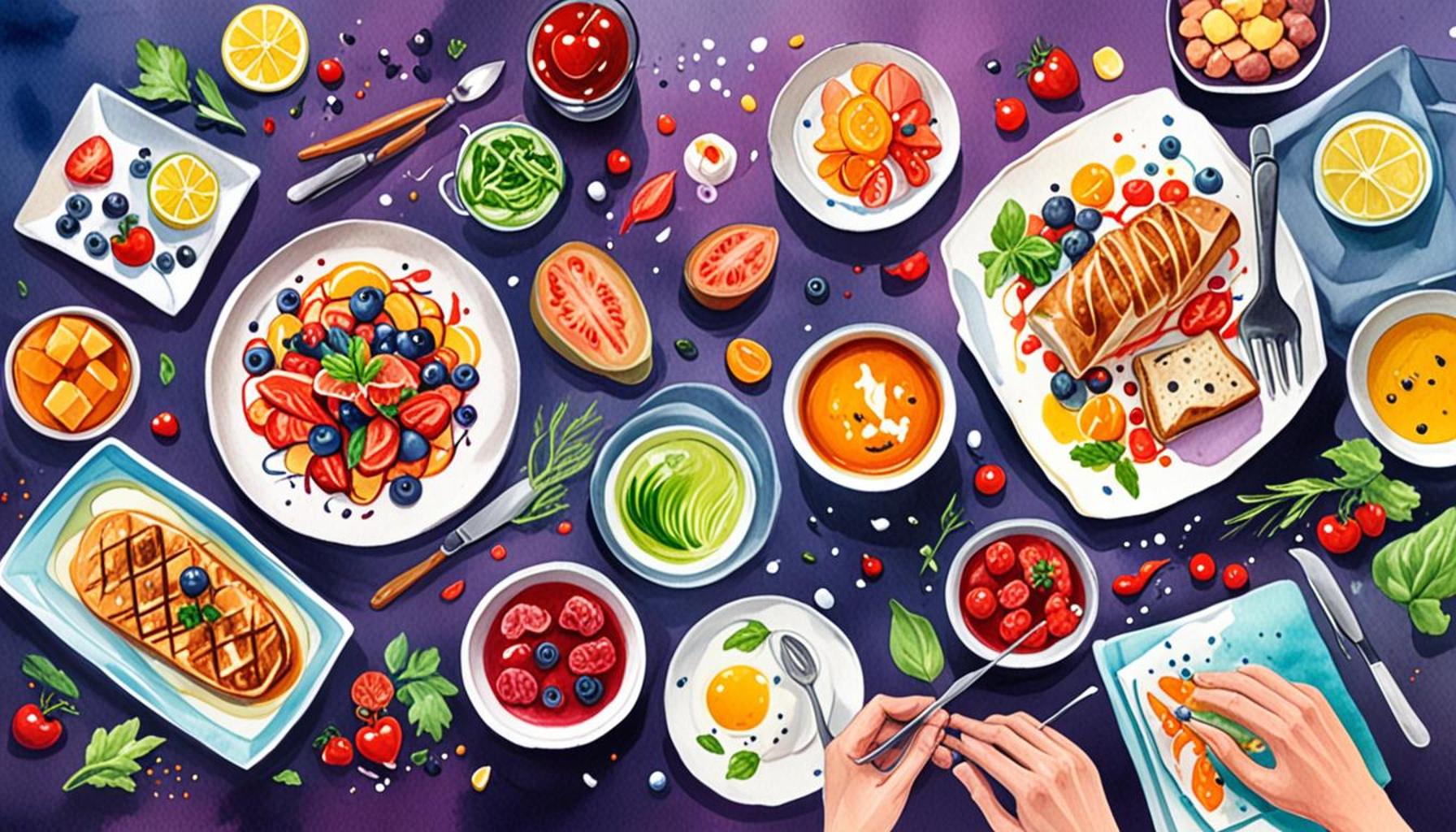
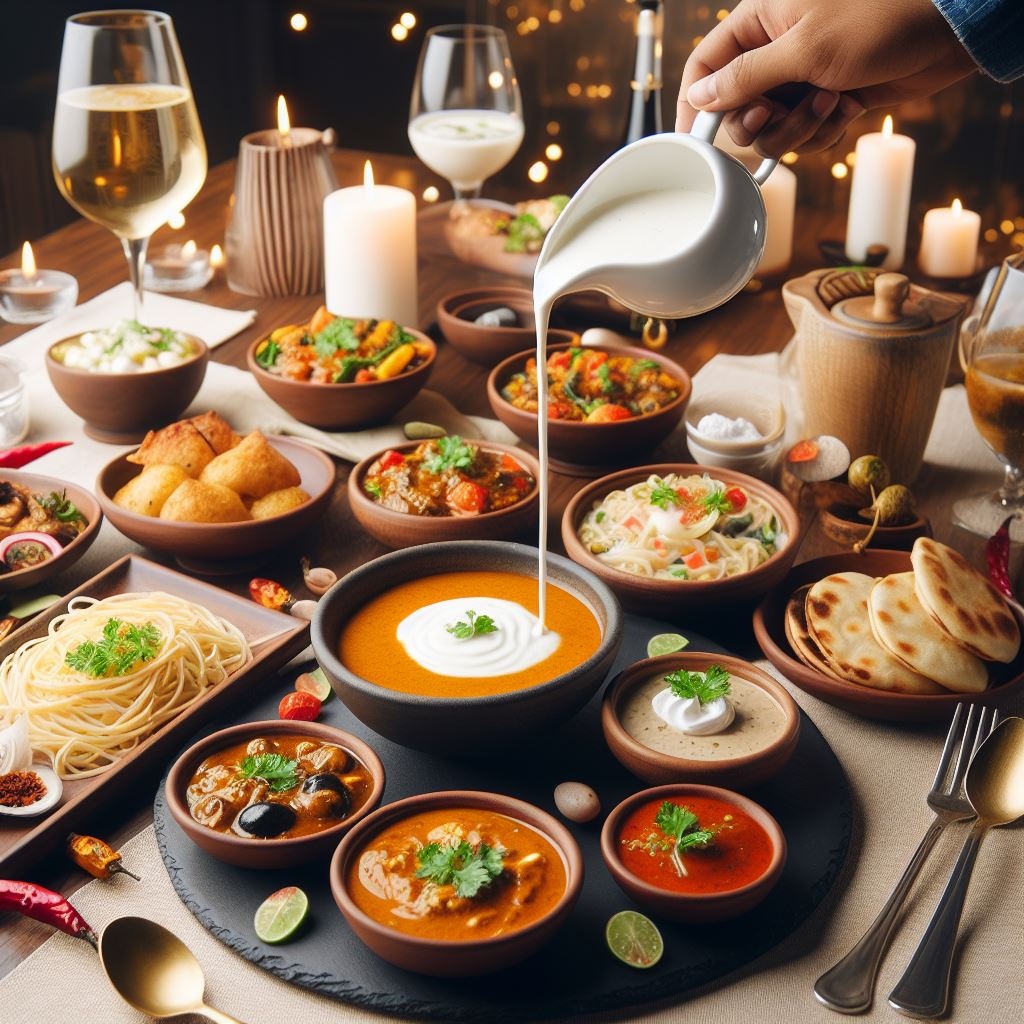
In the culinary world, presentation plays a crucial role that often goes unnoticed. A beautifully arranged dish has the power to enhance not just the visual experience but also the overall enjoyment of a meal. Presentation transforms a simple recipe into a culinary masterpiece, enticing diners even before the first bite is taken.
Consider the array of dishes that grace our tables daily. For instance, a plate of roasted vegetables can be a feast for the eyes when brightly colored carrots, rich purple beets, and golden squash are arranged in a circular fashion around a vibrant green pesto drizzle. Such presentation not only showcases the variety of colors but also highlights the freshness of the ingredients, engaging the senses before any flavor is tasted. On the other hand, a simple bowl of pasta can become a work of art through thoughtful garnishing. A sprinkle of freshly chopped basil, a hint of grated Parmesan, and a drizzle of high-quality artisanal olive oil can elevate the dish from ordinary to extraordinary, making it feel special.
Key Elements of Effective Presentation
To truly grasp the art of food presentation, several key elements deserve attention:
- Color: A dish that incorporates a spectrum of colors is not only eye-catching but also suggests a variety of flavors and nutritional value. Utilizing seasonal ingredients can maximize color variety, making a dish look appetizing and inviting.
- Texture: Combining different textures in a dish can create dimension. For example, pairing a creamy sauce with crispy fried onions adds an enticing contrast that not only looks appealing but enhances the sensory experience.
- Height: Adding height to your plate can make the meal visually dynamic. This can be achieved through stacking ingredients or using molds to create towering presentations, which captivate attention and intrigue diners.
- Plate Choice: The selection of serving dishes can dramatically impact the perception of the meal. For instance, a white plate serves as a blank canvas, letting the colors of the food stand out. Conversely, a rustic wooden platter may evoke a farm-to-table experience, enhancing the theme of the meal.
As we explore these presentation techniques, it becomes clear that they don’t just impact appearance; they also shape the way a dish is perceived. A thoughtfully presented meal can create an atmosphere of sophistication and care, leaving a lasting impression on family, friends, and guests alike. By investing time into mastering the art of presentation, every cook, from the novice to the professional, can elevate their culinary creations, transforming everyday meals into memorable culinary experiences.
So, whether you’re planning a casual dinner at home or a festive gathering, consider how presentation can play a pivotal role in showcasing your culinary skills. With each dish you serve, you have the opportunity to create a feast not only for the palate but for the eyes as well. Embrace the art of presentation and watch as your kitchen becomes a stage for visual storytelling through food.
DISCOVER MORE: Click here to dive into sustainable crafting
Elevating Dishes with Creativity and Technique
Creating a visually stunning dish requires more than just ingredients; it demands an understanding of how to manipulate these elements into an artistic expression. The art of presentation is about striking a balance between aesthetics and taste, and it starts with a few fundamental creative techniques that anyone can master. By utilizing color, height, and innovative plating techniques, home cooks and seasoned chefs alike can transform simple recipes into stunning culinary masterpieces.
One captivating way to enhance presentation is through the art of plating. This involves not just the placement of food on the plate, but also the way components are arranged to lead the eye across the dish. Consider a beautiful seared salmon filet atop a bed of lemon-infused quinoa. Instead of merely laying the salmon on the quinoa, try tilting the fish at an angle or artfully spooning a vibrant mango salsa on one side. This playful arrangement draws attention and invites diners to explore the dish both visually and gastronomically.
Innovative Techniques to Enhance Presentation
Here are some innovative techniques that can elevate the presentation of even the simplest recipes:
- Layering: Interspersing layers of flavors can create complexity in both taste and presentation. For example, a classic lasagna can be served in a cylindrical mold, showcasing each layer of pasta, sauce, and cheese, resulting in a strikingly beautiful cross-section when unmolded.
- Garnishing: Fresh herbs, edible flowers, or drizzles of sauce can provide contrast and interest to a plate. A simple soup, such as tomato basil, can suddenly shine with a swirl of basil oil and a sprig of fresh basil delicately placed on top.
- Contrasting Shapes: Utilizing a variety of shapes can create visual intrigue. A rounded scoop of creamy risotto pairs well with a delicate fan of thinly sliced grilled vegetables, adding dimension and playful geometry to the plate.
- Negative Space: Sometimes, less is more. Allowing empty space on a plate can emphasize the presentation of the food itself. For instance, arranging a few scallops on one side of the plate with a splash of puree can draw the eye and create a sense of elegance.
By exploring such presentation techniques, you will not only enhance the aesthetic appeal of your dishes but also elevate your culinary storytelling. Each plate serves as a canvas, where flavor meets art, inviting guests to engage with the meal on multiple levels. Understanding how to transform even the simplest recipes into stunning visual presentations can be achieved with practice and experimentation.
In the evolving landscape of culinary arts, where diners eat with their eyes first, mastering the art of presentation is invaluable. As you refine your skills, you’ll find that each dish is an opportunity for creativity, allowing you to share your passion for cooking in the most visually enticing way possible.
| Category | Advantages |
|---|---|
| Visual Appeal | Transforms the dining experience by making dishes look exquisite, influencing perceptions of taste and quality. |
| Culinary Creativity | Encourages innovation in presenting meals, enhancing the cooking process and enticing diners to explore new flavors. |
| Emotional Connection | Builds memories as beautifully plated food can evoke emotions and dialogue, turning each meal into a cherished occasion. |
| Meal Presentation Techniques | Utilizes various skills, such as color theory and plating styles, to engage the senses and impress guests. |
| Social Media Sharing | Boosts visibility as eye-catching dishes are perfect for sharing, attracting viewers and potential culinary enthusiasts. |
In today’s culinary landscape, the significance of presentation has never been so prominent. With social media platforms showcasing food artistry, chefs and home cooks alike are inspired to elevate their simple recipes into visually stunning masterpieces. This transformation occurs not just on the dinner plate but also in the way people experience food. The art of plating and presentation brings a profound effect, enabling individuals to share their culinary creations and showcase their skills, making every meal an event worth celebrating. As culinary enthusiasts explore these techniques, they embrace the opportunity to not only satiate appetites but to create memorable experiences that resonate with others.
DISCOVER MORE: Click here to learn about the therapeutic benefits of music</p
Crafting Culinary Experiences Through Thoughtful Details
As the saying goes, “You eat with your eyes first.” This truth underscores the necessity of thoughtful presentation in elevating dining experiences. When preparing dishes, one should not only focus on taste but also consider the entire sensory experience. This holistic approach can be achieved by incorporating textural contrasts, seasonal elements, and themed presentation styles that complement the dish being served.
Textural contrasts can produce a pleasing mouthfeel that enhances the overall experience of a meal. Imagine a simple dish like whipped sweet potatoes; by garnishing it with crispy fried shallots or toasted pecans, you introduce a layer of crunch that beautifully juxtaposes the creamy base. Such details not only engage the palate but also create visual appeal, drawing the eye to different textures on the plate. Moreover, incorporating components that vary in temperature, such as pairing a hot risotto with a cold herb salad, adds another layer of interest that can surprise and delight diners.
Seasonal Elements for Fresh Appeal
Utilizing seasonal ingredients can further enhance the presentation of your dishes. Seasonal foods are not only fresher but often more vibrant in color and taste, allowing them to shine on the plate. When preparing a summer salad, for instance, incorporating bright heirloom tomatoes, crisp cucumbers, and fragrant basil can transform a basic appetizer into a celebration of summer’s bounty. Arranging these components in a colorful mosaic offers an appealing and refreshing visual that invites diners to indulge. To highlight the flavors of fall, consider a pumpkin soup adorned with roasted seeds and a sprinkle of nutmeg, presenting warmth and comfort in a seasonally appropriate way.
Themed Presentation Styles
Diving into themed presentation styles also allows for creativity and storytelling through food. Think of a rustic picnic theme where dishes are served on wooden boards accompanied by mason jars filled with refreshing beverages. Each element complements the theme, enhancing overall dining enjoyment. Another example could be the elegant minimalism of Scandinavian cuisine, where dishes are skillfully arranged with an emphasis on simplicity and natural beauty; a piece of fish may be artfully garnished with fresh herbs and served on an uneven plate to enhance the organic feel.
- Color Schemes: Choosing a color palette for a dish can make a statement. Using contrasting colors, such as bright greens against deep reds, celebrates freshness and vibrancy while inviting the eye to explore.
- Building Height: Adding height to a dish can convey sophistication. Layering components like a towering teriyaki chicken with skewered vegetables takes a simple dish and elevates it both literally and figuratively.
- Utilization of Unique Dinnerware: Serving food in unconventional bowls or plates can enhance visual appeal. An appetizer served in a slate tile or a dessert presented in an antique teacup creates a memorable dining experience that stands out.
Incorporating these thoughtful details into the presentation not only advances the aesthetic value of your dishes but also enriches the dining experience. With each bite, diners can explore flavor, texture, and creativity, elevating even the simplest of recipes into extraordinary culinary expressions. As chefs experiment with visual storytelling, the possibilities are endless, promising to turn every meal into a feast for the eyes as well as the palate.
DISCOVER MORE: Click here to uncover the therapeutic benefits of music creation</p
Conclusion: Elevating the Everyday into Extraordinary
The art of presentation is a transformative process that breathes life into simple recipes, showcasing them as culinary masterpieces. By embracing thoughtful details such as textural contrasts, seasonal ingredients, and themed presentation styles, home cooks and professional chefs alike can create unforgettable dining experiences that engage all the senses. The principle of “you eat with your eyes first” remains ever relevant, highlighting the importance of visual appeal in food preparation.
As we have explored, the thoughtful integration of vibrant colors, varied textures, and unique dinnerware can turn a mundane meal into a feast for both the palate and the eye. The essence of a dish can be amplified through its presentation, effectively telling a story that reflects the season and the chef’s creativity. As diners become increasingly aware of the impact of aesthetics on their culinary experience, there lies an opportunity for culinary artists to innovate and captivate.
Whether you’re plating a simple salad or constructing an intricate dessert, remember that every detail matters. With a little creativity and imagination, you can elevate your dishes from the kitchen table to the center of attention, transforming them into works of art. So next time you prepare a meal, take a moment to consider not just what is on the plate, but how it is presented; the culinary possibilities are truly endless.