Rhythms and Colors: Synesthesia as a Form of Artistic Expression
Understanding Synesthesia in Art
For many artists, the world is a vibrant canvas where colors and rhythms intertwine in a sensory dance. This phenomenon, known as synesthesia, allows individuals to experience a fusion of senses, resulting in a unique form of artistic expression. Imagine hearing a color or seeing a sound; this intricate connection enriches the creative process in profound ways.
The Fascinating Intersection of Senses
Synesthesia can manifest in various forms, often resulting in stunning artistic representations. For instance, individuals like Vladimir Nabokov, the famous author, reportedly experienced the world in a way that numbers were infused with particular colors. His distinctive perception shaped his literary style, offering readers a kaleidoscopic view of his imagination. Additionally, the experience of synesthesia is not limited to literature. Many visual artists, like Wassily Kandinsky, famously painted using a color-to-sound correspondence, creating pieces that resonate with both visual appeal and auditory imagination.
- Color and sound coordination: Artists may use specific colors to represent musical notes, creating visual music. This often leads to a dynamic interplay where concerts become a feast for the eyes as well as the ears. Contemporary artists like Yayoi Kusama have transcended traditional boundaries by incorporating auditory elements into their installations, crafting experiences where participants not only see but also feel sound.
- Tactile responses: Some individuals experience textures and shapes when hearing melodies. This multifaceted perception can translate into inspired sculpture and other three-dimensional works, where the creators aim to capture not just the image, but the complete sensory experience of sound. For example, Antony Gormley creates sculptures that evoke a tactile response, inviting viewers to interact with them in a way that mimics the sensorial experience of synesthesia.
- Enhanced emotional depth: Artists can express complex emotions through the duality of sound and color. Musicians like Frank Ocean combine comprehensive narratives with intricate aural patterns that evoke distinct sensory images. His vivid storytelling transports listeners to a multi-sensory world, heightening emotional engagement through his unique creative lens.
Impact on the Artistic Community
The impact of synesthesia is profound, encouraging artists to explore new dimensions of creativity. Numerous renowned figures, such as musician Prince and poet Walt Whitman, have exhibited synesthetic tendencies in their works. They challenge the boundaries of traditional art, presenting audiences with a multi-dimensional sensory experience that enriches the overall narrative.
The influence of synesthesia reaches beyond mere artistic expression; it also fosters dialogue within the artistic community. Exhibitions and workshops focused on this phenomenon encourage collaboration among artists, scientists, and psychologists, leading to research that further investigates how synesthetic experiences can be perceived and emulated. This inquiry not only embraces creativity but also sparks curiosity about how unique sensory interactions can enhance personal understanding and appreciation of art.
As we delve into the world of synesthesia and its implications for artistic expression, we invite you to explore how this intriguing sensory crossover shapes both the artist’s palette and the audience’s perception. It encourages an exploration of art that transcends conventional perceptions, ultimately allowing for a richer engagement with creativity in all its forms.
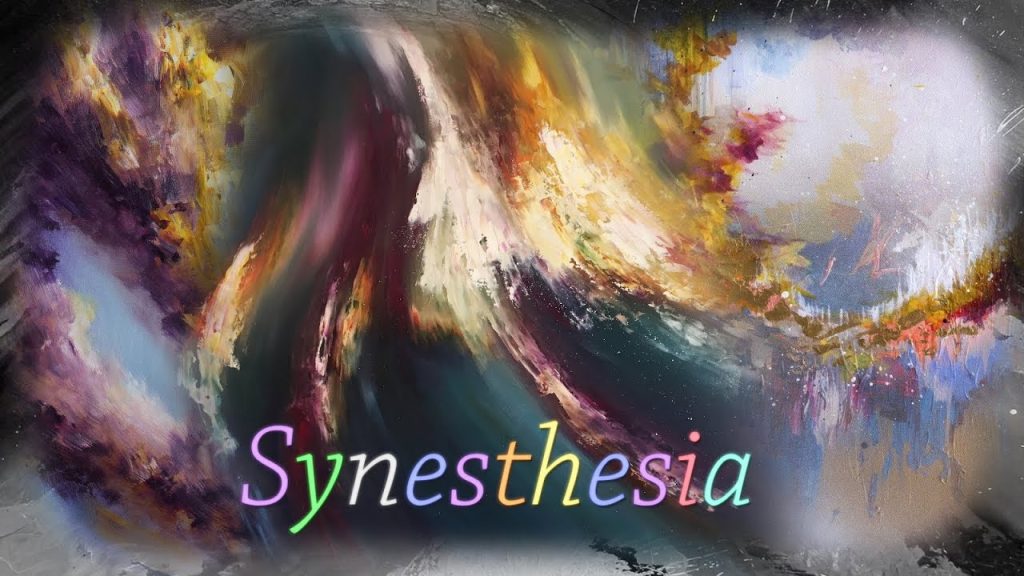
DISCOVER MORE: Click here to enhance your home recording skills
Exploring the Beauty of Synesthetic Creations
The captivating experience of synesthesia serves as a wellspring of inspiration for artists across various disciplines, cultivating an interconnected realm where senses converge. In this extraordinary perception, individuals may hear music in vibrant hues, feel textures through sound, or even taste flavors evoked by certain visual stimuli. This magnificent interplay between senses not only captivates the artist but also intrigues audiences, offering them a glimpse into a world enriched by unconventional creativity.
Unlocking the Creative Potential of Synesthesia
Many artists harness the beauty of synesthesia to push boundaries in their artistic practices. For instance, in visual art, Andrew Huang works in ways that attempt to visualize sound, allowing viewers to engage with auditory experiences through brilliantly colored forms and shapes. His paintings reflect the rhythm and melody of music, inviting an audience to witness a symphony not just through their ears, but also through their eyes. This deepened perception fosters an engaging dialogue between creator and observer, where art transcends its typical confines.
In addition to conventional visual arts, synesthesia manifests extensively in the realm of performance. This experience is particularly evident in artists like Pharrell Williams, whose music often incites vibrant imagery and emotional responses. His songs, which resonant with a broad spectrum of listeners, create a sonic landscape rich in colors and sentiments, guiding fans through an immersive sensory experience. This ability to evoke multiple senses draws listeners into a profound exploration of sound and feeling, expanding their emotional reach.
- Sound-to-color conversion: Some artists, such as renowned composer John Cage, emphasized how specific sounds can evoke distinct visual images. Cage’s avant-garde approach to music has inspired contemporary installations where sound-sculptures illuminate the connection between auditory and visual art forms.
- Color associations in literature: The work of Yayoi Kusama demonstrates how colors can represent emotional landscapes. Her installations often combine vivid colors that correspond to rich narratives, enhancing the viewer’s experience and inviting deep reflection.
- Theatrical interpretations: When artists like David Lynch create films, they manipulate visuals and sounds to elicit sensory responses. His unique storytelling approach through sound design and visuals captivates audiences, pulling them further into their immersive scenarios.
Furthermore, synesthetic experiences significantly influence the realms of education and therapy. Art therapy practices often utilize these sensory connections to assist individuals with cognitive or emotional challenges. By tapping into the expansive world of synesthesia, therapists can offer new pathways to healing through artistic expression, encouraging clients to explore their emotions authentically and creatively.
As we venture deeper into the intricate tapestry of rhythms and colors that synesthesia presents, we uncover the profound ways in which this fusion of senses shapes both the artistic landscape and the emotional fabric of our daily lives. By understanding the nuances of how synesthetic experiences influence artistic output, we can foster a richer appreciation for the innovative expressions that arise from this unique sensory crossover.
| Advantage | Description |
|---|---|
| Enhanced Creativity | Artists with synesthesia often produce unique and compelling works by blending sensory experiences, such as associating colors with musical notes. |
| Multisensory Appeal | The integration of multiple senses in artistic expression draws in a wider audience, enhancing engagement and emotional resonance with the artwork. |
Exploring the theme of “Rhythms and Colors: Synesthesia as a Form of Artistic Expression” reveals intriguing insights into how synesthetic experiences can alter the perception of art. Artists who perceive the world through a synaesthetic lens find inspiration and meaning in the connections between sounds and colors, creating artwork that is not just visual, but a rich tapestry of sensory interplay.Such artists often share a broad spectrum of experiences, enabling viewers to understand art in ways beyond sight. This multisensory approach invites explorations that challenge conventional artistic boundaries, inviting audiences into a whimsical journey that engages both mind and emotion.Furthermore, the phenomenon of synesthesia enriches not only personal expression but also provides a broader understanding of how our senses interact. As art continues to evolve in contemporary settings, the synesthetic element offers an evolving landscape for artists, one where rhythms and colors dance, evoking a profound dialogue between the observer and the artistic expression.
DON’T MISS OUT: Click here to discover the secrets of vivid storytelling
The Interdisciplinary Impact of Synesthesia on Artistic Expression
The profound relationship between synesthesia and artistic expression has not only transformed individual artwork but has also fostered collaborations across various creative disciplines. This intersection allows for innovative explorations that challenge traditional art forms while offering new, immersive experiences for audiences. As artists from music, visual arts, literature, and beyond come together, we see a tapestry of creativity born from sensory interaction.
Collaborative Projects Inspired by Synesthetic Experiences
One fascinating example of this interdisciplinary collaboration is the Synesthesia Festival, an event where artists from different backgrounds join forces to create works that evoke multiple senses simultaneously. Through a combination of live music, colorful visuals, and interactive installations, participants become enveloped in a multi-sensory experience that challenges how they perceive art. This festival not only highlights the creative potential of synesthesia but also builds community among artists who share a common interest in sensory exploration.
Furthermore, the contemporary trend of multi-sensory installations has gained traction in the art world, offering experiences that stimulate smell, touch, sound, and sight. Artists like Olafur Eliasson utilize light and color in his installations to engage viewers emotionally while incorporating soundscapes to enhance the experience. Each element harmonizes to create a visceral reaction in the audience, effectively turning viewers into active participants within the artwork. These installations often evoke a sense of wonder, pushing the boundaries of how we interact with art.
- Color and sound in architectural design: The interplay between light and sound is further explored in architectural realms. Innovative designs often incorporate elements that respond to acoustic properties, revealing how architecture can aesthetically resonate with emotional experiences, allowing individuals to feel the space profoundly.
- Interactive technology: Artists are increasingly integrating technology, such as virtual reality and augmented reality, to showcase synesthetic experiences. Projects like Google Arts & Culture’s interactive installations allow users to visualize music in real-time, further demonstrating the intersection of technology and artistry.
- Literature and synesthetic descriptions: Authors like Virginia Woolf and James Joyce creatively illustrate synesthetic experiences in their prose, painting vivid imagery that evokes a multisensory reading experience. Their works serve as exemplars for contemporary writers exploring how to blend sensory perception with literary expression.
The influence of synesthesia extends beyond artistry into realms of psychology and cognitive science, where researchers study how these unique sensory experiences can bolster creativity and enhance learning. Studies suggest that individuals who experience synesthesia often display heightened creative abilities, allowing them to think outside conventional parameters and explore innovative solutions. Such findings challenge educational paradigms, suggesting a renewed emphasis on fostering creativity and multi-sensory engagement in academic environments.
As artistic expressions continue to thrive within the vibrant framework of synesthesia, it becomes evident that this phenomenon not only enriches individual creators but also encourages collaboration and interdisciplinary innovation. The continuous exploration of rhythms and colors encourages both artists and audiences to reconsider the boundaries of perception and understanding, inviting everyone to partake in the profound beauty that emerges from the union of senses. This fascinating and fluid dialog fosters an ongoing exploration of how we experience art in broader contexts, pushing creative boundaries into uncharted territories.
DIVE DEEPER: Click here to discover creative fabric projects
Conclusion
In conclusion, the enchanting world of synesthesia serves as a powerful catalyst for innovative artistic expression, uniting diverse creative practices into a vibrant mosaic of sensory experiences. The exploration of rhythms and colors transcends traditional boundaries, prompting artists and audiences alike to embrace a more profound understanding of interdisciplinary collaboration. Festivals like the Synesthesia Festival exemplify this movement, bringing together artists from various fields to craft unique experiences that challenge conventional perceptions of art. This enriching exchange has led to the rise of multi-sensory installations that engage viewers in immersive ways, drawing them into emotional and visceral interactions.
Moreover, the incorporation of technology and the innovative use of architectural design further emphasize how synesthetic experiences can be integrated into every facet of creativity. From literature that evokes a sensory narrative to interactive installations that visually translate sound, the possibilities are limitless. This ongoing dialogue between the senses highlights not only the individual’s unique perception but also a collective exploration of creativity in art.
As society continues to appreciate and study synesthesia’s captivating influence, it reveals profound implications for education and psychology. Encouraging multi-sensory engagement and fostering creativity can lead to richer learning experiences and innovative thinking. Ultimately, the journey through rhythms and colors invites us all to discover the beauty within the melding of senses, making the world of art more accessible, relatable, and profoundly impactful.