Mindful Possessions: The Emotional Impact of Letting Go of Unnecessary Items

Understanding the Power of Minimalism
In an era where the average American home contains over 300,000 items, the call for mindful ownership has never been louder. This philosophy encourages individuals to reflect on what truly matters to them, inviting a shift away from the relentless pursuit of material possessions. By decluttering our spaces and, metaphorically, our minds, we can uncover the pathway to enhanced emotional clarity and mental well-being.
One of the most immediate benefits of decluttering is the profound emotional release it provides. Items often carry stories or memories, but holding onto them can anchor us to the past. For instance, a worn-out gift from a former partner may evoke bittersweet feelings. Letting go not only frees up physical space but also allows individuals to release emotional burdens, making room for new experiences and relationships. This process can be likened to shedding an outdated skin, where personal growth can flourish unencumbered.
Moreover, a decluttered environment significantly enhances focus and creativity. Studies indicate that messy and overstimulated surroundings can lead to increased levels of stress and distraction. By simplifying our spaces, we create a sanctuary that fosters concentration. Consider a workspace devoid of excess—just a desk, a computer, and perhaps a plant. Such a setting can inspire creativity and enable clearer thought processes, ultimately leading to better productivity and satisfaction within one’s work or personal projects.
A minimalist lifestyle also encourages life simplification. When we prioritize what possessions truly enrich our lives, we cultivate a more meaningful existence. Think about the joy of owning a few high-quality items—a cherished book, a reliable toolset, or an enduring piece of art—over a collection of items that create clutter without contributing to happiness. This approach not only saves money but can also lead to a more intentional lifestyle focused on experiences over possessions.
Further research illustrates that clinging to material goods often correlates with negative emotions. Alternatively, adopting minimalist practices can alleviate stress, anxiety, and even guilt associated with consumerism. Reports suggest that incorporating minimalism into one’s life can lead to a heightened sense of self-awareness and contentment.
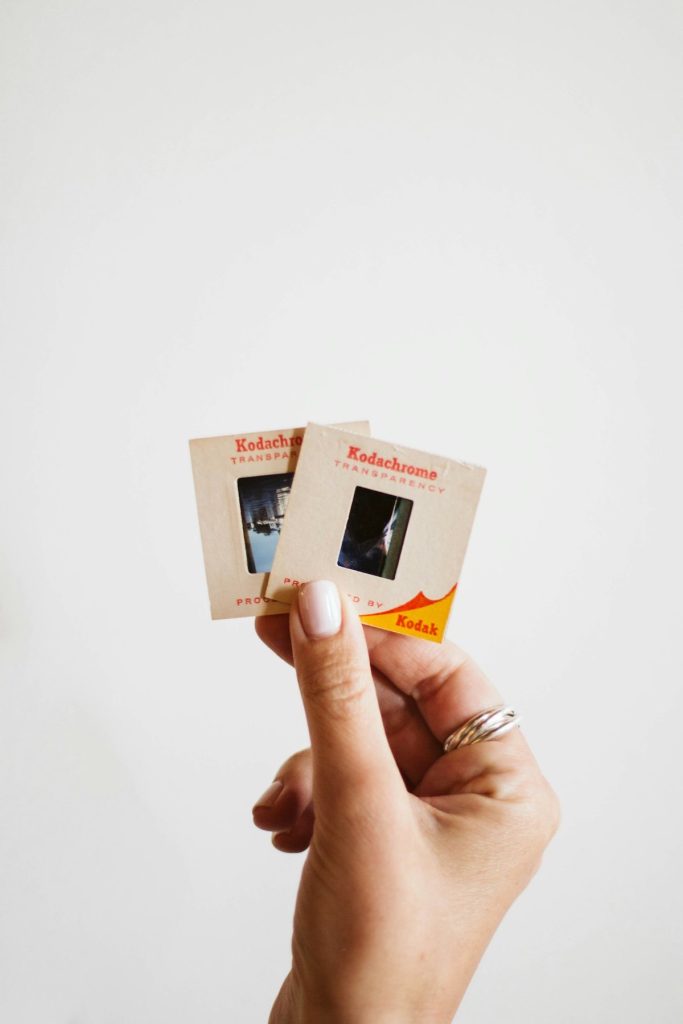
As individuals across the United States wrestle with the complexities of consumer culture alongside the yearning for simplicity, the act of decluttering becomes a powerful rebellion against the status quo. By exploring these emotional benefits, we can transform the act of letting go into an empowering journey toward redefining our relationship with ownership. This transformation can lead to a more fulfilling and intentional life, allowing us to thrive in a world often driven by excess.
DISCOVER MORE: Click here for practical organization tips
The Emotional Journey of Decluttering
As individuals embark on the journey of mindful ownership, the emotional landscape becomes a central narrative in the decluttering process. It is essential to confront the reality that many items in our possession are more than mere objects; they are fragmented pieces of our past, conjuring nostalgia, regret, or even a sense of loss. In this context, the act of letting go can evoke a strong emotional response, bringing with it a myriad of feelings that can lead to profound personal transformation.
Psychologists have identified a phenomenon known as the endowment effect, which posits that we tend to assign more value to items simply because we own them, regardless of their actual utility. This attachment often makes it difficult to part with possessions, particularly those that hold sentimental value. However, the journey of decluttering invites individuals to assess the true significance of these possessions and challenge their emotional ties. This critical self-reflection can foster an enlightening process of evaluating what genuinely enhances our lives.
To facilitate this introspective journey, it can be beneficial to categorize items using specific criteria:
- Utility: Does the item serve a functional purpose in my daily life?
- Joy: Does this item bring me happiness or a sense of peace?
- Memory: Is this item a tangible reminder of meaningful experiences or relationships?
- Space: Does keeping this item create more comfort or clear space in my environment?
As we navigate through these questions, the process can reveal surprising insights into our emotional attachments. For instance, an item that once sparked joy may have become a source of guilt or obligation over time. By acknowledging these shifts, we can pivot toward a more intentional way of living, free from the clutter that clouds our mental and emotional clarity.
Moreover, the psychological benefits of letting go are noteworthy. According to a study published in the Journal of Environmental Psychology, people who engaged in decluttering highlighted a significant decrease in stress levels and an increased sense of well-being. Participants reported that the act of organizing and letting go not only enhanced their physical spaces but also provided a cathartic release of pent-up emotions, creating an environment conducive to personal growth.
Another compelling aspect of this journey is the newfound appreciation for the items we choose to keep. As individuals embrace minimalism, each possession transforms into a valuable artifact representing intentional decision-making. This appreciation for mindful possessions allows individuals to reconnect with items that serve their interests and personality, creating a deeper emotional resonance with their environment.
Ultimately, embracing the emotional impact of letting go can initiate a ripple effect toward a more mindful and fulfilling life. Through introspection and conscious decision-making, individuals can reshape their relationship with ownership, unlocking the potential for emotional clarity and renewed purpose in their everyday lives.
| Advantages | Emotional Impact |
|---|---|
| Clarity and Focus | Letting go of unnecessary items creates a more organized and serene environment, leading to improved focus on what truly matters. |
| Reduced Stress | Fewer possessions can alleviate feelings of overwhelm, allowing for a more peaceful and enjoyable living space. |
| Increased Gratitude | Letting go encourages a focus on appreciating existing resources, enhancing emotional well-being and satisfaction. |
As we delve deeper into the emotional landscape surrounding “Mindful Possessions,” it becomes clear that the process of decluttering goes beyond physical space. By embracing a lifestyle that values essentials over excess, individuals can harness a myriad of emotional benefits. When one prioritizes clarity and focus, the mind can navigate through daily tasks with greater precision and effectiveness. This newfound clarity arises from cultivating a living space that inspires peace, critical in today’s fast-paced world.Moreover, reducing stress is a common outcome of letting go of unnecessary items. Each item we possess carries energy and, at times, emotional weight. By releasing those items, individuals often find relief from the cluttered thoughts associated with them. Additionally, the act of decluttering invites an attitude of increased gratitude. By simplifying life, we foster a deeper appreciation for what we choose to keep, highlighting the emotional impact of mindful living. Understanding these facets encourages readers to reflect on their possessions and consider the profound emotional journey of letting go.
EXPLORE MORE: Click here to discover how mindfulness can reshape your connection with belongings
The Transformative Power of Mindful Ownership
As individuals navigate the complexities of their belongings, the concept of mindful ownership emerges as an indispensable guiding principle. This practice goes beyond surface-level decluttering and explores the deeper implications of what it means to own and cherish items. It emphasizes intentionality, encouraging individuals to make conscious choices about their possessions and their roles in their lives.
A recent survey by the American Psychological Association indicates that over 60% of Americans experience feelings of overwhelm when faced with the clutter in their homes. This emotional burden highlights the necessity of understanding the significance of our belongings. Practicing mindful ownership enables individuals to discern between items that genuinely contribute to their happiness and those that merely occupy space.
The emotional liberation that comes from letting go is often likened to shedding a heavy weight. When individuals choose to release items—whether they are clothes, furniture, or keepsakes—they often feel a sense of rejuvenation. This is reflected in a study from the University of California, Los Angeles, which concluded that those who decluttered experienced increased levels of emotional well-being and mental clarity. By parting with unnecessary possessions, they reported feeling lighter, both physically and metaphorically.
Additionally, the practice of mindful ownership nurtures clarity in decision-making regarding future purchases. Individuals, equipped with a refined understanding of what brings joy and utility, are less likely to fall into the trap of mindless consumption. This shift requires a paradigm change, moving from a culture of excess toward an appreciation for quality over quantity. For example, rather than acquiring numerous pairs of shoes, one might lean towards investing in a fewer number of high-quality, versatile pairs that elevate their wardrobe.
Engaging in thoughtful reflection, individuals can also discover parallels between their possessions and their identities. Each item may represent an aspiration, a regret, or an achievement. Identifying these associations promotes self-awareness and personal growth. Consequently, many find themselves propelled not just to declutter their spaces, but also to declutter their minds. The result is a clearer vision of who they are and what they value in their lives.
Moreover, the act of letting go can serve as a catalyst for fostering connections with others. Many people choose to donate or repurpose their belongings, extending their lifespan through others who might find joy in them. A report from the National Association of Donation Centers highlighted that for every ten items donated, approximately 60% are rediscovered by community members, illustrating the ongoing journey of these items. In this way, decluttering does not merely end with personal closures; it invites the opportunity to impact the lives of others positively.
A critical aspect of this transformative journey is embracing the emotional resilience cultivated through letting go of possessions. Each time individuals confront the nostalgia or reluctance tied to an item and choose to part with it, they develop a greater capacity for resilience. This new-found strength often translates into other areas of life, allowing them to navigate challenges with a clearer mind and open heart.
Ultimately, the transformative power of mindful ownership extends beyond physical spaces, influencing emotional landscapes, relationships, and overall life satisfaction. By engaging deeply with the process of decluttering, individuals discover the potential for living a purpose-driven life rich in mindfulness and intention.
DISCOVER MORE: Click here to transform your space
Redefining Connection through Mindful Decluttering
In conclusion, the journey of mindful ownership not only reshapes our surroundings but significantly enhances our emotional well-being. As we navigate the complexities of our possessions, we cultivate a profound understanding of their true value in our lives. The process of letting go serves as an eye-opener, revealing the weight of emotional attachments that often accompany unnecessary items.
By embracing decluttering, individuals can experience an empowering sense of freedom and clarity. Studies have shown that this practice aligns closely with improved mental health, reducing anxiety and fostering a peaceful living environment. As people part with items that no longer serve them, they not only lighten their physical load but also create mental space for new opportunities and positive experiences.
Moreover, the ripple effect of mindful decluttering extends beyond the individual, positively impacting our communities. Donating items allows us to connect with others, fostering a sense of shared happiness and purpose. It transforms the act of letting go into an opportunity to contribute to the well-being of those around us, reinforcing our connections to humanity.
Ultimately, embracing mindful possessions allows us to break free from the cycle of mindless consumption, empowering us to live intentionally and authentically. Whether through simplifying our homes or rediscovering our identities, the benefits of this transformative practice extend far beyond mere decluttering, leading to a more meaningful and fulfilling life. As we take these steps to declutter our spaces, we simultaneously uncover pathways to greater self-awareness, resilience, and connection with others.