Jewelry Crafting: Creating Custom Accessories with Various Materials
Exploring the Art of Jewelry Crafting
Jewelry crafting offers a unique opportunity to express personal style and creativity. By utilizing various materials, individuals can create one-of-a-kind accessories that reflect their personality and vision. This art form is gaining popularity across the United States, drawing enthusiasts from diverse backgrounds, particularly in major crafting hubs like Portland, Oregon, and Asheville, North Carolina, where community workshops and artisan markets flourish.
Whether you’re a seasoned artisan or a curious beginner, jewelry crafting is accessible and fulfilling. It welcomes people of all skill levels, making it an excellent hobby for families, friends, or even solo explorations. This article outlines some common materials used to craft bespoke pieces, giving insights into how each can impact your design.
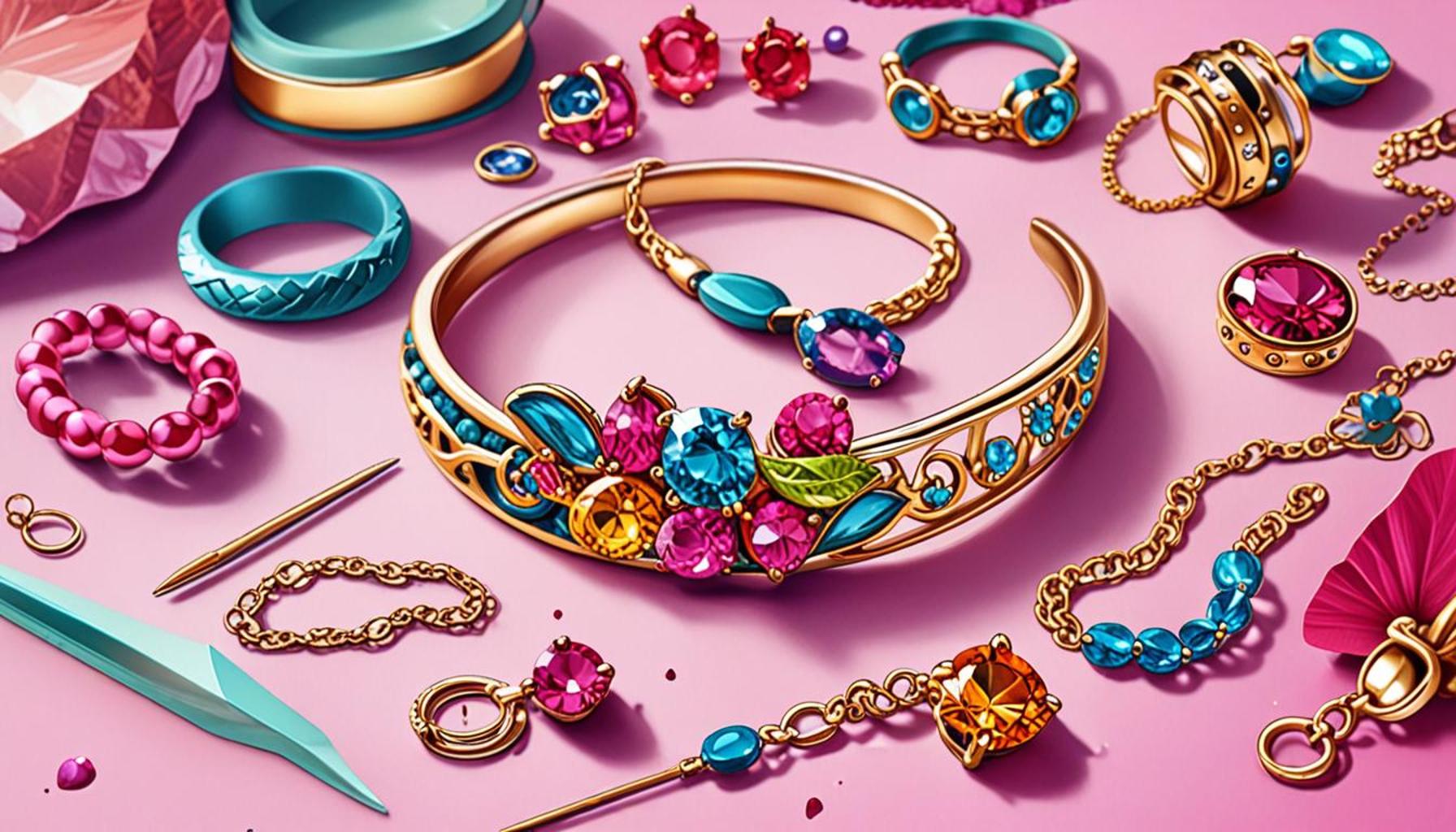
- Metals: Gold, silver, and copper are classic choices that provide durability and elegance. Consider the rising trend of using recycled metals, which not only help reduce waste but also add a unique story to each piece.
- Beads: Glass, wood, and ceramic beads can add vibrant colors and varied textures to your accessories. One popular trend in recent years has been to combine modern glass beads with vintage styles, creating a fusion that appeals to both traditional and contemporary sensibilities.
- Stones: Semi-precious and precious stones enhance aesthetics and often carry meanings associated with healing or luck. For instance, amethyst is thought to provide clarity, while rose quartz is linked to love, making them popular choices among crafters aiming to add a personal touch to their creations.
- Plastics: Eco-friendly and versatile options, such as bioplastics or recycled plastics, serve as innovative materials that encourage sustainability in fashion. These materials allow for eye-catching designs that can be molded into various shapes and colors.
- Fabric: Materials like silk and leather can transform ordinary jewelry into stunning accessories. Fabric necklaces or bracelets, often adorned with beads or charms, encapsulate a sense of comfort and style that can be both beautiful and practical.
Jewelry crafting not only fosters creativity but also emphasizes sustainability. Many crafters are now intentionally incorporating recycled materials into their designs, contributing to a more eco-conscious community. The growing demand for personalized jewelry has resulted in a flourishing market for custom pieces, promoting independent artisans and local businesses. This shift not only supports local economies but enriches the crafting culture by encouraging unique creations that showcase local heritage and artistry.
Embarking on this artistic adventure opens the doors to endless possibilities. Whether you enroll in a local workshop or explore online platforms like Etsy for inspiration, the world of custom jewelry crafting awaits. Equip yourself with tools, gather materials, and let your imagination shine through every creation. Each piece is not just an accessory; it’s a story waiting to be worn. Dive into this vibrant community of creators and discover the joy and satisfaction that comes from transforming your ideas into wearable art.
DISCOVER MORE: Click here to dive into creative fabric projects
Materials That Transform: A Deep Dive into Jewelry Crafting
Jewelry crafting is an intuitive blend of artistry and technique, and the choice of materials significantly influences the final product. By selecting the right components, crafters not only enhance the aesthetic appeal of their accessories but also shape their functional properties. Each material brings its own unique qualities, making it essential for creators to understand how these aspects contribute to the overall design. Below, we explore some of the most popular materials and their characteristics in the realm of custom jewelry making.
Metals: The Backbone of Durability
When it comes to jewelry crafting, metals are the most foundational materials due to their strength and versatility. Gold and silver remain timeless choices, often utilized in everything from simple studs to intricate necklaces. Additionally, copper offers a warm appearance and is increasingly favored for its affordability and ease of manipulation in crafting.
A growing trend is the use of recycled metals, which not only supports eco-conscious efforts but also adds a narrative of sustainability to each piece. This trend resonates particularly with consumers who value environmental responsibility in their fashion choices.
Beads: Adding Color and Dimension
Beads are integral components in jewelry design, allowing for creativity and experimentation with colors, shapes, and textures. Common materials used to create beads include:
- Glass: Offers a range of brilliant colors and can be found in both smooth and faceted finishes, giving crafters a plethora of options for sparkle and shine.
- Wood: Provides an earthy aesthetic and is often favored for bohemian-style pieces. Wood can be sourced from various trees, each imparting a unique grain and expression to the final creation.
- Ceramics: Perfect for artists looking to incorporate handmade elements into their jewelry. Ceramic beads can be painted with intricate designs, lending a personal touch to any accessory.
Modern bead-making has also seen a rise in the popularity of combining vintage elements with contemporary designs, creating pieces that speak to a rich history while appealing to today’s fashion sensibilities.
Stones: The Essence of Meaning
Incorporating stones into jewelry is not just about aesthetics; it is also about the meanings they carry. Crafters often select stones based on their purported metaphysical properties. For example:
- Amethyst: Believed to enhance intuition and protect against negativity, it is a favorite for spiritual-themed jewelry.
- Rose Quartz: Frequently associated with love and healing, making it a popular choice for gifts.
Many enthusiasts seek out local gemstone miners or fairs to source unique stones, which enhances the local economy while providing genuinely exclusive materials.
The world of jewelry crafting is as diverse as the materials themselves. By understanding the properties and applications of each, artisans can create compelling and personalized accessories that tell stories, evoke emotions, and leave lasting impressions. In the following sections, we will delve deeper into alternative materials and innovative techniques that are redefining contemporary jewelry making.
| Advantage | Description |
|---|---|
| Personalization | Crafting custom accessories allows individuals to express their unique style, creating pieces that resonate with their personal aesthetics. |
| Diverse Material Options | Crafters can choose from a wide array of materials, including metal, beads, and leather, enhancing creativity and allowing for countless design variations. |
| Cost Efficiency | Creating jewelry at home can significantly reduce costs compared to purchasing custom made accessories from high-end retailers. |
| Skill Development | The process of jewelry crafting fosters new skills such as design, fabrication, and even marketing, which can be advantageous in various professional fields. |
Jewelry crafting stands as a fascinating domain where creativity meets functionality. Through personalization, individuals have the power to cultivate styles that genuinely reflect their identities. With an expansive range of materials available, from exquisite gemstones to eco-friendly alternatives, the possibilities are endless. This diversity not only enhances the artistic element but also enables crafters to tailor pieces according to specific themes or occasions.Engaging in this craft also yields cost efficiency. Individuals can create beautiful accessories without the hefty price tag often found in retail outlets, making this an attractive venture for hobbyists and professionals alike. Moreover, as inexperienced crafters delve into their new passion, they cultivate essential skills that can translate into future opportunities, amplifying their personal and professional growth. Whether for personal use or gift-giving, the art of jewelry crafting opens doors to a vivid world of expression and innovation.
DIVE DEEPER: Click here to discover the cultural significance of music genres
Innovative Materials: The New Frontier in Jewelry Crafting
As the world of jewelry crafting evolves, artisans are expanding their creative horizons by incorporating unconventional materials into their designs. This shift not only results in stunning pieces but also invites a new audience interested in sustainable, unique, and innovative accessories. Here, we delve into some of these materials that are transforming the jewelry-making landscape.
Natural Materials: Embracing Earthy Aesthetics
Natural materials such as seashells, coral, and resin are making waves in contemporary jewelry design. Utilizing these materials not only conveys a connection to nature but also highlights the intricate artistry that each piece embodies.
- Seashells: Often found in coastal areas, seashells offer a natural beauty that resonates with ocean lovers. Artists frequently polish or carve seashells into pendants or earrings, creating statement pieces that evoke memories of beach outings.
- Coral: Known for its vibrant colors and unique textures, coral is often used in bohemian-style jewelry. With sustainability in mind, many artisans are sourcing ethically-harvested coral to ensure that environmental harm is minimized.
- Resin: This versatile material allows for boundless creativity. Crafters can encapsulate flowers, photographs, or glitter within resin, creating one-of-a-kind pieces that commemorate special moments. The glossy finish also provides a degree of waterproofing, making it a practical choice for jewelry.
Textiles: Weaving Stories into Wearable Art
Fabric and textile-based jewelry is witnessing a resurgence as designers explore soft yet striking options. Incorporating textiles into jewelry allows artisans to convey themes of comfort, nostalgia, and layered meaning.
- Leather: This durable material is often used in making bracelets and necklaces, providing a rugged yet fashionable appeal. The introduction of recycled leather options also promotes sustainability within this category.
- Yarn and Thread: With techniques borrowed from traditional crafts like macramé and weaving, yarn and thread can be transformed into intricate designs. The use of brightly colored fibers or textured threads can breathe life into minimalist designs, drawing the eyes of those who appreciate craftsmanship.
Jewelry made from textiles can beautifully blend with metal accents, showcasing an innovative juxtaposition that captivates wearers and observers alike.
3D Printing: The Tech Revolution in Accessories
As technology advances, so too does its integration into jewelry crafting. 3D printing has emerged as a significant tool, allowing designers to create customizable and intricate pieces that were previously unimaginable. This process offers several advantages:
- Customization: Artisans can use 3D printing technology to produce unique designs tailored to individual preferences, paving the way for a new level of personalization in jewelry.
- Prototyping: 3D printing enables creators to quickly test ideas, refining their craft and exploring innovative designs without the high costs associated with traditional manufacturing methods.
- Material Variety: While plastics are commonly used, developments in 3D printing extend to precious metals and resins, making the range of possibilities virtually limitless.
The savvy jewelry crafter today has the opportunity to explore an increasing array of materials that challenge conventional designs and storytelling within the realm of custom accessories. As artists embrace innovation and sustainability, they are not only transforming the products they offer but are also redefining the very concept of jewelry, making it more inclusive and expressive than ever before.
DISCOVER MORE: Click here for vintage upcycling inspiration
Conclusion: The Future of Jewelry Crafting Lies in Innovation
In the realm of jewelry crafting, the embrace of innovative materials and techniques has ushered in a transformative era, redefining how custom accessories are conceived and created. From the captivating allure of natural materials like seashells and coral to the artistic expression found in textiles and the futuristic capabilities of 3D printing, artisans today have access to an expanding toolkit that allows for unprecedented creativity and personalization.
This evolution speaks to a growing demand for unique, sustainable pieces that not only adorn but also tell stories. As consumers increasingly seek out alternatives to mass-produced items, the opportunity for artists to craft custom accessories that reflect personal narratives and values becomes more significant. By embracing sustainable practices and innovative techniques, crafters not only contribute to environmental preservation but also create a strong connection between the wearer and the piece.
As you explore this dynamic field, consider how these materials—whether repurposed, natural, or technological—can enhance your own understanding and appreciation of jewelry. Whether you are a seasoned artisan or an enthusiastic beginner, the potential for unique expression and creativity in custom jewelry crafting is limitless. The future is bright, beckoning you to discover new inspirations and to contribute to the rich tapestry of artistic expression within the world of jewelry.