Creating Intentional Spaces: How Minimalism Facilitates Personal Organization
The Essence of Intentional Living
In today’s fast-paced world, the challenge of personal organization can often seem overwhelming. The constant influx of information, distractions, and possessions has made it increasingly difficult for many individuals to maintain clarity in their lives. This is where the philosophy of minimalism emerges as a practical and transformative solution. By stripping away the unnecessary, people can create environments that not only support clarity and focus but also enhance their overall quality of life.
Why consider minimalism? The benefits of minimalism extend far beyond mere aesthetics. Here are some compelling reasons to embrace this lifestyle:
- Enhances concentration by reducing clutter. A clean, organized space can significantly improve one’s ability to focus on tasks at hand. For instance, students studying in a tidy, well-arranged environment may find it easier to absorb information than those surrounded by mess.
- Promotes stress relief through simplified surroundings. Less visual clutter can help reduce anxiety levels, allowing individuals to experience a sense of calm. A recent study highlighted that people living in cluttered environments reported higher levels of stress and lower overall life satisfaction.
- Encourages mindfulness by fostering intentionality in daily activities. Minimalism challenges individuals to be deliberate in their choices, cultivating a deeper appreciation for their surroundings.
Creating intentional spaces transcends minimalism; it’s about crafting an atmosphere that resonates with personal values and aspirations. Houses can be transformed into sanctuaries that promote serenity and productivity. Think of how decluttering a chaotic office can facilitate a serene workspace that inspires creativity and invites focus on meaningful projects.
As you embark on the journey of minimalism, consider these guiding principles:
- Intentional Design: Select items that serve a purpose and spark joy. For example, a well-chosen piece of art can enhance a room’s ambiance without overwhelming it with visual clutter.
- Functional Arrangements: Create layouts that facilitate ease of use. An organized kitchen, where everything has a designated place, allows for seamless cooking and entertaining experiences.
- Mindful Consumption: Invest in quality over quantity. Instead of filling closets with fast fashion, consider acquiring versatile clothing pieces that stand the test of time.
Join us on this enlightening journey of creating intentional spaces. Explore how minimalism can empower you to achieve a more organized and fulfilling life. By thoughtfully curating your environment and embracing simplicity, you are not only setting the stage for productivity but also cultivating a lifestyle that celebrates clarity and purpose.
DIVE DEEPER: Click here to learn more about intentional space design
Embracing Minimalism for Personal Organization
The concept of minimalism goes hand in hand with the creation of intentional spaces that foster personal organization. It invites individuals to reconsider their relationship with their belongings and the environments they inhabit. By cultivating an awareness of what truly matters, minimalism allows for a more focused and purpose-driven life. This shift in mindset can manifest in various aspects of daily routines, from home organization to workspace efficiency.
Clutter has a profound impact on mental well-being, often functioning as an invisible weight that hinders our ability to prioritize and accomplish tasks. Research conducted by the UCLA Center on Everyday Lives and Families revealed that households filled with clutter led to increased stress, as family members struggled to manage their possessions. Recognizing this link between clutter and chaos can be a powerful motivator for individuals seeking to streamline their lives. An organized home doesn’t just improve aesthetics; it enhances productivity and clarity in thought.
The Practical Steps Towards Minimalism
In embarking on a minimalistic journey, embracing certain practical steps can lead to a more organized and intentional life. Here are some actionable strategies:
- Declutter Regularly: Set aside time each month to evaluate your possessions. Ask yourself if each item serves a purpose or brings you joy. If the answer is no, consider letting it go. This word-of-mouth minimalism approach is pivotal in maintaining a clutter-free environment.
- Create Designated Zones: Whether it’s a workspace, reading nook, or relaxation area, designate spaces within your home for specific activities. When each area has a clear purpose, it minimizes distractions and promotes focused engagement.
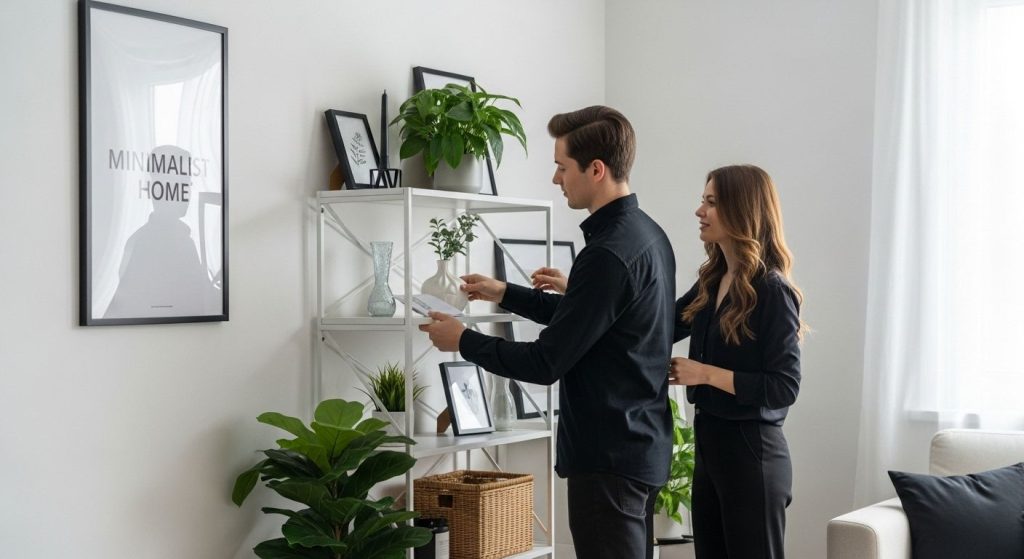
- Utilize Storage Solutions: Invest in functional storage options that can help maintain organization. Whether it’s sleek bins, shelving units, or creative use of vertical space, the right storage solutions can keep your environment tidy while maximizing available square footage.
Moreover, it is essential to consider the psychological effects of your environment. Environments that are overly stimulating can lead to increased stress and decreased performance. By stripping away the superfluous, you pave the way to introduce elements that nurture and inspire. For instance, swapping out a crowded wall of frames cluttered with photos for a single, framed piece that resonates with your values can shift your focus positively.
Ultimately, the goal of creating intentional spaces through minimalism is to transform your living and working environments into areas that reflect your true self. By being selective about what fills these spaces, individuals can cultivate a greater sense of control in their lives. This intentionality empowers them to move beyond survival mode, allowing for space to foster creativity, personal growth, and deeper connections with the world around them.
Embracing Minimalism in Daily Life
Implementing minimalism into your daily routine can significantly enhance personal organization. One of the core principles is to simplify your surroundings. By reducing the amount of clutter in your environment, you create a space that promotes clear thinking and productivity. When every item in your home or workplace serves a purpose or sparks joy, it becomes easier to focus on what truly matters.
Strategic Decluttering
Start with a strategic approach to decluttering. Categorize your belongings into three groups: keep, donate, and discard. This ensures that you only hold on to things that align with your intentional lifestyle. Moreover, tailoring your living spaces for functionality leads to a more streamlined day-to-day existence. For instance, adopting the one in, one out rule can help maintain the balance in your organized environment, preventing new clutter from accumulating.
Intentional Space Planning
Creating intentional spaces involves thoughtful planning on how you use each area in your home. Designate zones for specific activities—such as a reading nook, a work area, or an active space for hobbies. This tactic minimizes distractions, allowing you to engage fully in your activities. It’s also beneficial to keep essential items within reach, ensuring that your environment remains efficient and serves your organizational goals.
Utilizing Minimalist Storage Solutions
Consider implementing minimalist storage solutions. Opt for functional furniture with built-in storage to help maintain a clean and organized atmosphere. This approach not only preserves space but also enhances aesthetics by keeping visual clutter at bay. Wall-mounted shelves, under-bed storage containers, and multi-purpose furniture can provide elegant solutions to reduce chaos.
The Mental Clarity of Minimalism
Ultimately, embracing minimalism contributes to mental clarity. A well-organized space translates to a well-organized mind. By prioritizing intentional living, you empower yourself to focus on personal goals, nurture relationships, and foster creativity. As you delve deeper into the world of minimalism, you’ll discover a life that is simpler, more purposeful, and ultimately more satisfying.
| Advantage | Description |
|---|---|
| Enhanced Focus | Minimalism reduces distractions, allowing for better concentration on tasks. |
| Improved Efficiency | Streamlined spaces increase productivity by providing easier access to necessary items. |
| Reduced Stress | An organized environment fosters a sense of calm and reduces anxiety levels. |
In conclusion, minimalism is not just a design choice but a holistic approach to leading a more organized and intentional life. Exploring its benefits can lead to profound changes that extend beyond physical spaces and into your mental well-being.
DISCOVER MORE: Click here for effective digital decluttering strategies
Rethinking Design: The Impact of Intentional Spaces
Creating intentional spaces through minimalism extends beyond mere organization; it involves a thoughtful approach to how you design your environment. The arrangement of items and the overall aesthetic influence not only how we feel but also how we function within those spaces. This principle is especially significant in the modern United States, where the demands of daily life can often lead to sensory overload and increased distractions.
Research has shown that our surroundings can drastically shape our productivity levels and emotional well-being. A study by the University of Minnesota found that people working in orderly environments were more focused and effective compared to their disorganized counterparts. Such findings underscore the necessity for individuals to cultivate environments that promote calmness and clarity.
Mindfulness in Space Utilization
Another key principle of minimalism is mindfulness—a concept that involves being present and intentional about your choices. This can be exemplified in how you arrange your workspace. A clean desk, stripped of unnecessary items, is more than just visually appealing; it allows for heightened concentration and efficiency. Including elements like natural light or indoor plants can lift moods and foster creativity. According to data from Human Spaces, exposure to nature in workplace design can increase well-being by 15% and productivity by up to 6%.
- Re-evaluate Decor: Instead of blanketing your walls with memorabilia, consider selecting a few meaningful pieces of art or photographs that resonate with you. This not only highlights what you treasure, but also transforms your space into a more cohesive reflection of your values.
- Incorporate Multi-functional Furniture: By investing in furniture that serves multiple purposes, such as a storage ottoman or a desk that doubles as a dining table, you can drastically reduce clutter while maximizing the utility of your space.
- Limit Digital Clutter: Just as physical clutter can hinder organization, digital mess can create chaos in your work life. Utilize tools and apps designed to organize tasks, emails, and files efficiently—less digital clutter translates to less mental clutter.
Furthermore, embracing minimalism in your space can lead to significant savings. By cutting down on unnecessary purchases and impulse buys, you not only keep your environment organized but also safeguard your financial stability. Studies indicate that individuals who practice minimalism tend to report feelings of freedom and control over their finances, no longer constrained by the weight of material possessions.
As you consider the role of minimalism in creating intentional spaces, it’s also crucial to remember that this journey is personal and subjective. The minimalist aesthetic is not one-size-fits-all; it requires a personalized touch that aligns with individual lifestyles and values. In diverse urban settings, such as those found in the U.S., many are customizing their small apartments or lofts to reflect individual identities while maximizing limited square footage.
By adopting a minimalist approach, not only can individuals promote personal organization, but they can also build spaces that resonate with their core essence. Such environments empower them to thrive, fostering connections and cultivating a sense of peace amidst the chaos of modern life.
DIVE DEEPER: Click here to learn more about mindfulness and belongings
Conclusion: The Transformative Power of Minimalism
In a world that constantly bombards us with stimuli, creating intentional spaces through minimalism is not merely an aesthetic choice but a vital practice for enhancing personal organization and well-being. By consciously selecting what to surround ourselves with, we not only declutter our physical environments but also our minds. This deliberate curation of our spaces leads to increased focus, reduced stress, and enhanced productivity, proving the adage that less truly can be more.
As we reflect on the principles of minimalism, it becomes clear that it’s about more than just the items we choose to keep; it’s also about embracing a mindset that prioritizes mindfulness and intentionality. Whether it’s creating a peaceful workspace that fosters creativity or selecting multi-functional furniture to maximize utility, every choice counts. Furthermore, the financial implications of minimalism cannot be overstated. By limiting unnecessary purchases, individuals can not only maintain organization but also pave the way for greater financial freedom.
Ultimately, the journey towards minimalism is deeply personal. Each individual has the opportunity to craft spaces that authentically reflect their values and lifestyles. As more Americans rediscover the benefits of intentional living, we may foster environments that not only serve us efficiently but also nurture our well-being. In essence, minimalism cultivates a sanctuary amidst the chaos of modern life—a haven where clarity and focus can flourish, empowering us to lead fulfilling lives.