Ceramics Craft: Techniques for Creating Functional and Decorative Pieces
Unveiling the Intricacies of Ceramics
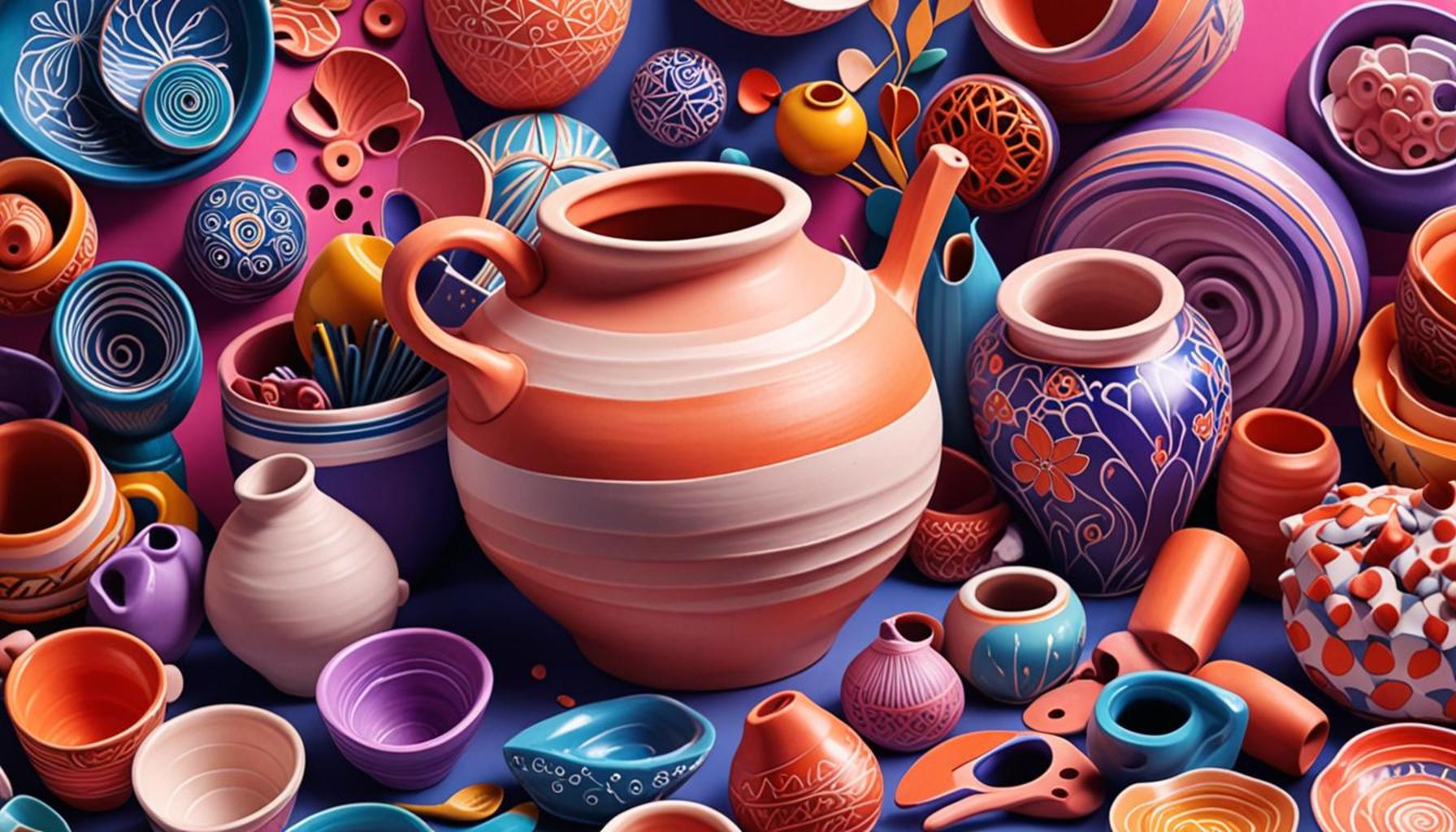
Ceramics is more than just an artistic endeavor; it is a versatile medium that combines creativity with functionality. From intricate teapots to robust planters, every piece tells a story and can serve various purposes, all while enhancing your surroundings. Whether you are a seasoned potter or a curious beginner, exploring ceramics opens up a world of possibilities, catering to both artistic expression and practical use.
The world of ceramics is rich with techniques, each offering a different pathway to creativity. Here are some key elements to consider:
- Handbuilding: This technique includes coiling, pinching, and slab construction, providing a foundation for creativity. Coiling allows you to build ceramics by stacking rolled strips of clay, perfect for crafting pots with a natural, textured look. Pinching involves forming shapes by hand, offering a tactile connection to the material that enhances the uniqueness of each piece. Slab construction involves rolling out flat pieces of clay, which can be shaped into various forms, perfect for creating boxes or tiles.
- Wheel Throwing: Utilizing a pottery wheel is an exhilarating experience that allows for symmetry and precision. This technique is ideal for producing elegant bowls and vases, enabling potters to shape their creations while the clay spins. Mastery of this technique can take time, but the results are often breathtaking, echoing the balance and grace of traditional pottery.
- Glazing: This aesthetic yet protective layer is essential in ceramics. Glazing adds vibrant color, texture, and a glossy finish to your pieces, making them not only beautiful but also more durable. There are countless types of glazes, from transparent to opaque, matte to glossy, each introducing different effects on the surface of the clay. Understanding how glazes interact with various clay bodies can unlock new dimensions in your work.
Aside from the techniques, the choice of materials is crucial in crafting distinctive ceramic items. The variety of clay types, such as earthenware, stoneware, and porcelain, each presents unique characteristics. Earthenware, with its porous nature, can be great for planters, while stoneware is known for its strength and durability, making it suitable for functional dinnerware. Porcelain, recognized for its elegance and translucence, is often used for fine art pieces and dishes.
Understanding these elements paves the way for innovation in your ceramic practice. Experimenting with different techniques and materials encourages you to discover a personal style that celebrates both traditional and modern influences. As you plunge into this craft, you will find that the journey of creating functional and decorative ceramic pieces is not only rewarding but also a fantastic avenue for self-expression.
Your imagination is the only limit, and throughout this article, we will delve deeper into fundamental techniques, showcasing how they can transform your ceramic creations from basic forms to intricate works of art. So, get ready to roll up your sleeves and embrace the fascinating world of ceramics!
DIVE DEEPER: Click here for essential tips on home recording
Exploring the Foundations of Ceramics Techniques
For those venturing into the world of ceramics craft, understanding the foundational techniques can be both exhilarating and essential. Each method brings its own charm and opportunities for creativity, allowing artisans to create both functional and decorative pieces that resonate with personal artistry and craftsmanship.
Among the most popular techniques, handbuilding stands out thanks to its approachable nature. Perfect for beginners and seasoned potters alike, handbuilding techniques require minimal tools and allow for spontaneous creativity. Here are three primary methods of handbuilding:
- Coiling: This method involves rolling clay into long, thin ropes and stacking them in spirals to form walls of pots or sculptures. Coiling invites artists to experiment with forms and textures, resulting in uniquely handcrafted pieces.
- Pinching: By pinching and shaping the clay with fingers, potters can create bowls, cups, and other shapes that reflect a personal touch. The simplicity of this technique fosters a direct connection between the creator and the clay, often yielding one-of-a-kind pieces.
- Slab construction: In this method, flat slabs of clay are rolled out and cut into desired shapes. This approach is particularly useful for creating geometric forms, such as boxes or tiles, and allows artisans to explore relief designs and surface textures.
As artisans become more comfortable with handbuilding, they may venture into wheel throwing, a method that offers a different level of precision and elegance. Concentration is key as the potter centers the clay on a spinning wheel, molding it into perfectly symmetrical bowls, plates, and vases. This technique not only enables the creation of functional items but also encourages expression through variations in size, weight, and form.
Moreover, once the basic forms are established, glazing takes center stage. This enchanting process involves applying colored liquid glass onto the surface of the clay. Glazes not only enhance the aesthetic appeal of ceramic pieces but serve functional purposes as well, making them waterproof and resistant to wear. Understanding different types of glazes—such as transparent, opaque, matte, and glossy—is crucial as they each produce unique finishes and effects when fired.
Furthermore, the selection of clay materials has a profound impact on the final outcome of ceramic pieces. Different types of clay hold specific properties that cater to various projects. For example, earthenware is often used for decorative items due to its vibrant color and warmth but is porous, while stoneware is favored for dinnerware because of its strength and resistance to chipping. On the other hand, porcelain, highly valued for its fine quality and translucence, is perfect for crafting delicate art pieces and upscale dinner sets.
Understanding these foundational techniques is just the beginning. As creators delve deeper, they uncover the magic of combining methods, experimenting with materials, and developing their own aesthetic language. This journey through the world of ceramics is filled with opportunities for personal expression, creativity, and the joy of transforming clay into functional and decorative works of art.
Ceramics Craft: Techniques for Creating Functional and Decorative Pieces
The world of ceramics is not only about creating beautiful items but also about the profound techniques that artisans employ to bring their visions to life. Whether you are a novice enthusiast or an experienced craftsperson, understanding these techniques is essential for mastering the art of ceramics.
One of the primary techniques in ceramics is hand-building. This method allows the artist to construct pieces from clay without the use of a potter’s wheel, utilizing tools such as coils and slabs. Hand-building offers a unique opportunity for creativity, enabling artisans to craft individualized pieces that reflect their style and personality. Another vital technique is throwing, where the potter shapes the clay on a spinning wheel. This method is fundamental for creating symmetrical forms and is crucial for making functional items like bowls and vases.
Firing is another critical aspect of ceramics. The firing process transforms clay into a durable material, making it suitable for various uses. Bisque firing is the initial stage that hardens the clay, while glaze firing adds color and texture to the surface, allowing for both decorative appeal and functional durability. Additionally, using diverse glaze techniques can create fascinating effects that enhance the aesthetic quality of pieces.
In the realm of ceramic decoration, techniques such as underglaze painting and sgraffito provide distinct ways to personalize each item. Underglaze painting involves applying color onto the clay before glazing, while sgraffito requires scratching through a layer of contrasting color to expose the clay beneath, creating intricate designs.
As we delve deeper into the art of ceramics, it becomes clear that the combination of techniques, creativity, and skill results in stunning functional and decorative pieces that can elevate any environment or occasion. With these foundations, artisans can explore their passion in the ceramics craft, embracing experimentation and innovation.
| Category | Advantages |
|---|---|
| Hand-Building | Allows artists to create unique designs and express individual styles. |
| Throwing | Facilitates the production of symmetrical and functional pottery. |
| Firing Techniques | Transforms clay into durable products while adding artistic finishes. |
| Decorative Techniques | Enhances visual appeal and allows for intricate designs. |
With a rich history steeped in tradition, the exploration of ceramics techniques opens up a world where functionality meets artistry. As you immerse yourself in drawing from these methods, the potential for creating both practical and visually compelling pieces is limitless.
DISCOVER MORE: Click here to learn about music’s impact on cultural identity</
Advanced Techniques for Unique Ceramic Creations
As enthusiasts hone their ceramics craft skills, the exploration of advanced techniques opens up a realm of possibilities for creating truly unique functional and decorative pieces. These methods not only enhance the aesthetic appeal but also allow artists to push the boundaries of their creativity, leading to innovative designs that can captivate any audience.
One particularly exciting technique is mishima, a Japanese method known for its intricate inlay designs. Artists achieve this by incising patterns into leather-hard clay and then filling the grooves with contrasting colored slip (liquid clay). Once the slip dries, the surface is polished, resulting in a stunning visual effect that draws the eye. This technique is particularly popular for decorative bowls and wall hangings, where the detail can be fully appreciated.
Raku firing is another fascinating approach that offers a dramatically different aesthetic. Originating in Japan, this technique involves removing pots from a hot kiln while they are glowing red and placing them in combustible materials such as sawdust or paper. The intense temperature change and interaction with these materials create unique surface finishes, including metallic lusters and crackle effects. Raku pieces often embody an organic quality that enhances their charm, making them perfect for decorative items that evoke a sense of whimsy.
Moving toward the realm of high-fire ceramics, artists may explore sgraffito. This technique involves applying a colored slip over the clay body, followed by scratching designs into the top layer to reveal the contrasting color underneath. This method is especially effective for conveying detailed imagery and complex patterns and can be seen in both functional kitchenware and artistic displays. The allure of sgraffito lies in its ability to transform simple forms into expressive, narrative-driven pieces.
For those interested in integrating mixed media, hand-painted ceramics can alter the traditional landscape. By using non-toxic ceramic paints, artisans have the freedom to express their creativity through intricate illustrations, adding layers of personality to their work. This technique can bridge the gap between ceramics and fine art, allowing creators to explore various themes, color palettes, and artistic styles, thus appealing to a broader audience.
Further, the use of underglaze can elevate an artist’s toolkit. This technique involves applying colored slips before the glazing process and allows for detailed decoration and patterns while maintaining clarity in design. The painted underglaze retains vibrancy even after firing, resulting in striking colors that add depth to the ceramic pieces. Artists often use underglaze in conjunction with other techniques, like wheel throwing or handbuilding, to create highly personalized works.
Alongside these crafting techniques, understanding the firing process can significantly impact the final results. Bisque firing transforms raw clay into a porous, yet stable state, allowing for glazing to take place. High-fire and low-fire processes yield different results, affecting color, durability, and texture. Artists must consider their chosen clays and glazes, as well as their desired outcome when selecting the appropriate firing method.
Ultimately, the expansive world of ceramics craft is brimming with opportunities for artists to express their individuality. By embracing both traditional and innovative techniques, creators can develop truly functional and decorative pieces that showcase the beauty of their skill and imagination. This rich array of techniques inspires exploration and encourages ceramicists to leave their mark on the world of art and craftsmanship.
DISCOVER MORE: Click here for more insights
Conclusion: The Endless Possibilities of Ceramics Craft
As we conclude our exploration into the ceramics craft, it is clear that the techniques available to artists are as varied as the materials themselves. From the intricate mishima method to the whimsical finishes of raku firing, each technique brings its own unique character to both functional and decorative pieces. Artists can choose to convey narratives through sgraffito or combine the crafts of painting and ceramics with hand-painted ceramics, revealing an expansive palette for personal expression.
The utilization of underglaze allows for intricate designs that pop with color while maintaining the refined clarity of the surface, ensuring that every creation tells a story that resonates with its audience. Meanwhile, understanding the firing processes can radically alter the outcome, providing a depth of texture and tone that is essential to the final aesthetic.
Ceramics craft is not merely about artistry; it reflects a deep-rooted connection to culture, history, and personal expression. For those engrossed in this art form, each piece created can serve as a bridge between tradition and contemporary innovation. As technology and methods evolve, ceramicists are encouraged to embrace creativity, experiment with combinations, and continually push the boundaries of their craft.
In this vibrant world of ceramics, the journey of creation is never-ending. Whether you are a seasoned artist or a curious beginner, the techniques available present countless opportunities to create functional and decorative pieces that not only beautify spaces but also enrich lives. As such, diving deeper into these methods can lead to equally passionate explorations, inviting everyone to discover their unique place in the enduring tradition of ceramics craft.