The Impact of Intentional Spaces on Mental Health: A Minimalist Approach
The Role of Environment in Mental Health
In the hustle and bustle of modern life, the environments we inhabit can profoundly affect our mental health and overall well-being. The idea of intentional spaces focuses on curating environments that promote serenity, clarity, and interpersonal connections. Numerous studies confirmed that the way we design and organize our spaces can significantly impact our emotional states, encouraging us to consider how these settings influence our daily experiences.
The Minimalist Movement
As a counter-response to the chaos of consumer culture, minimalism has surged in popularity, particularly in urban areas across the United States. Defined by its characteristics of simplicity and functionality, this lifestyle approach aims to strip away the unnecessary and prioritize what truly matters. Intentional minimalist spaces exemplify key design elements that contribute to mental wellness:
- Decluttered areas: Studies show that physical clutter can lead to increased feelings of anxiety and overwhelm. By maintaining clear, organized spaces, individuals can experience mental clarity and a sense of control.
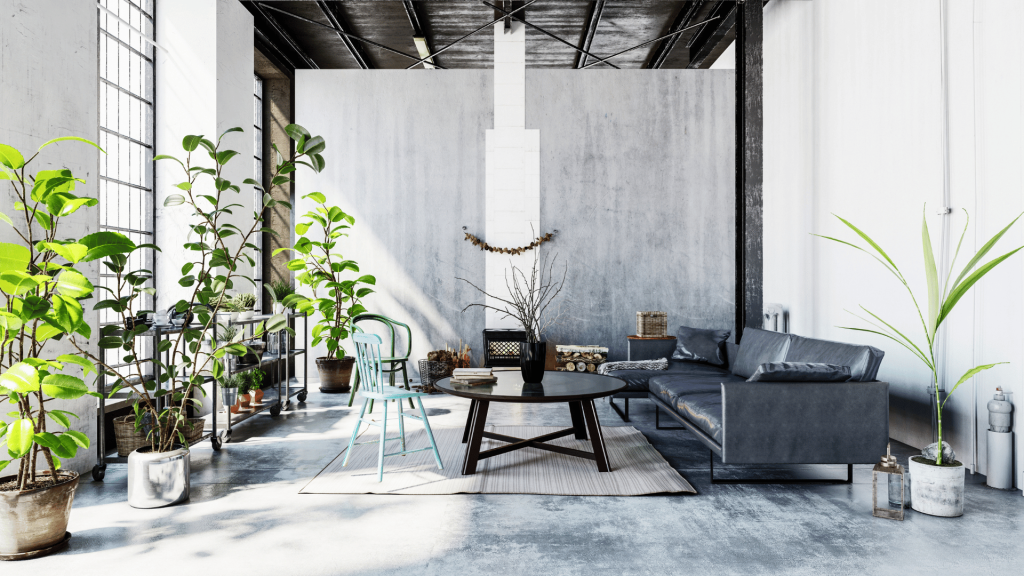
- Natural light: Spaces that maximize natural sunlight not only create an inviting atmosphere but also have been linked to higher levels of serotonin, the brain’s feel-good chemical. For instance, many progressive office designs now feature large windows to harness this benefit.
- Natural elements: Integrating plants, natural wood, or stone materials into our environments has tangible psychological benefits. Research indicates that exposure to nature can significantly lower stress levels, illustrating the importance of biophilic design.
The Benefits of Intentional Spaces
Recognizing the power of our environments invites exploration into how they can actively promote our well-being. Spaces designed with intention can lead to various positive outcomes:
- Reduced anxiety: Intentional layouts that promote tranquility often help individuals unwind and alleviate feelings of stress, enhancing overall mental health.
- Improved focus: Minimal distractions foster greater concentration, allowing people to engage fully with their tasks. Digital nomads have found that workspace organization can dramatically influence productivity.
- Enhanced creativity: A calm, serene setting frees the mind from distractions, enabling innovative thinking and problem-solving. Creative professionals often design their studios to reflect these principles for optimal output.
As society embraces minimalism and intentionality, it becomes increasingly important to comprehend how these thoughtfully designed spaces can impact mental health. Engaging in this exploration can lead to meaningful shifts in both personal and communal environments, reminding us that our surroundings are a pivotal aspect of our well-being. The ongoing question remains: how can we deepen our understanding of the connection between space and mental health, and what steps can we take to create more supportive environments?
DISCOVER MORE: Click here for efficient organization tips
The Connection Between Space and Emotional Well-Being
Understanding the interplay between our physical surroundings and mental health is crucial in today’s fast-paced world. The concept of intentional spaces serves as a pivotal reminder that the environments we dwell in are not merely backdrops to our lives but are instrumental in shaping our experiences, emotions, and relationships. The deliberate design and organization of our spaces can foster a profound sense of calm, creativity, and resilience. This becomes especially relevant amid the daily pressures and distractions of modern life, where the pursuit of productivity often overshadows emotional well-being.
The Psychology of Space
Research in environmental psychology reveals that the spaces we occupy can significantly influence our psychological states. For instance, environments rich in natural elements, such as plants and natural light, have been shown to evoke feelings of tranquility and satisfaction. An example of this can be seen in workplaces that integrate biophilic design, which incorporates aspects of nature into the built environment. Employees in such settings report reduced levels of stress and higher job satisfaction.
In contrast, cluttered and chaotic spaces can heighten stress and anxiety. Studies have shown that disorganized environments trigger a cognitive overload that inhibits focus and increases feelings of overwhelm. When we contemplate minimalist design, it becomes apparent how stripping away excess can lead to clearer mental states. This design philosophy encourages individuals to cherish simplicity and functionality, promoting not only aesthetic appeal but also mental clarity.
- Clarity through minimalism: Eliminating unnecessary items and distractions from our environments allows individuals to focus on their mental and emotional health. For example, minimalist homes with open spaces help occupants cultivate mindfulness, as fewer stimuli lead to reduced cognitive overload, making it easier to concentrate on important tasks or simply relax.
- Enhanced connectivity: Intentional spaces often design interactions among individuals, fostering stronger social connections. A well-designed communal area, such as a park or community garden, encourages people to engage, share experiences, and build relations—elements critical to social well-being, which is directly linked to mental health.
- Mindfulness in design: Mindful design incorporates elements that promote stillness and reflection, supporting mental health practices. Spaces dedicated to meditation, yoga, or quiet thought create environments where individuals can manage stress, heighten self-awareness, and cultivate a more harmonious relationship with their surroundings.
In a nation where rising anxiety levels and mental health challenges are increasingly prevalent, understanding how to create intentional spaces becomes essential. The implications of these findings suggest that rethinking our environments could lead to enhanced emotional climates and improved individual health outcomes. Consider the simplicity of creating a serene corner in your home with soft lighting, a comfortable chair, and a few meaningful decorations. Such steps can transform a small space into a sanctuary, providing an escape from the chaos of life.
As we delve into this exploration of minimalism and mental well-being, a compelling question arises: how can we effectively implement these principles in our daily lives to create environments that nurture our mental health? By consciously choosing the designs, colors, and layouts of our spaces, we can initiate a profound shift in our emotional well-being, leading us toward more fulfilling, connected lives.
| Category | Impact on Mental Health |
|---|---|
| Clutter Reduction | Reducing clutter leads to lower stress levels, allowing individuals to focus better. |
| Mindfulness Enhancement | Intentional spaces promote mindfulness, encouraging mental clarity and emotional stability. |
The design of our environment plays a crucial role in our mental well-being. By intentionally creating minimalist spaces, we enable a clearer path to achieving mental peace. For instance, a well-organized workspace free of unnecessary items can significantly enhance productivity and reduce anxiety. People often find themselves distracted by visual clutter, which can lead to diminished focus over time. Moreover, minimalist environments can foster feelings of calmness and safety, essential elements for nurturing mental health. This can be particularly impactful in therapeutic settings, where the goal is to create atmospheres conducive to healing. Similarly, residential spaces that incorporate natural elements, such as plants or natural light, can enhance emotional resilience. Minimalism is not just about reducing physical possessions; it extends to digital spaces as well. For example, reducing exposure to digital noise—including excessive notifications and social media—can strengthen one’s mental defenses and encourage a more reflective lifestyle. Thus, understanding the impact of intentional spaces offers valuable insights into promoting emotional wellness and helps in cultivating a life of purpose and intention.
DISCOVER MORE: Click here to transform your living space
Crafting Spaces for Healing and Productivity
The intentional design of spaces extends beyond mere aesthetics; it is also a vital component in fostering mental health resilience and promoting productivity. In the United States, where the culture often glorifies hustle and productivity, it is essential to challenge these paradigms by embracing minimalism as a counterbalance. Thoughtfully curated environments can serve as sanctuaries, enabling individuals to recharge and focus on their well-being.
The Role of Color and Light
Colors and lighting play critical roles in how we perceive and interact with our spaces. Research indicates that warm colors such as beige, soft yellow, and light greens are calming and conducive to relaxation. In contrast, bright and bold colors, while invigorating, may contribute to heightened anxiety if overused. Consequently, selecting soothing colors for walls, furniture, and decorations can create a sense of tranquility in intentional spaces.
Furthermore, the impact of natural light cannot be overstated. Exposure to sunlight enhances serotonin production, known as the “happy hormone,” and helps regulate circadian rhythms. Spaces designed with ample windows and skylights not only reduce dependency on artificial lighting but also promote a healthier lifestyle. For instance, creating a workspace with large windows can uplift mood and enhance cognitive performance by integrating the outside world into daily life.
The Power of Minimalism in Work Environments
As remote work becomes increasingly prevalent across the country, designing intentional spaces at home has taken on new significance. A minimalist workspace is more than just an uncluttered desk; it embodies a philosophy that prioritizes functional design tailored to individual needs. Research by the University of Exeter suggests that a well-designed workspace that employs minimalism can increase employee productivity by 15%, underscoring the tangible benefits of intentional environments.
- Clear boundaries: Establishing dedicated workspaces within the home reduces distractions and helps separate personal and professional life. This boundary-setting fosters improved focus, preventing the blending of work-related stress into personal time.
- Ergonomic design: Implementing ergonomic furniture tailored to individual comfort can mitigate physical strain while reinforcing mental health. A well-chosen chair, desk, and even the placement of a computer monitor can significantly impact daily productivity and overall mental well-being.
- Personalization: Minimalism does not mean devoid of personality; incorporating personal elements like artwork or photographs can enhance a sense of belonging and connection in a space. These elements serve as reminders of values, goals, and the journey, positively influencing one’s mindset.
Additionally, combining elements like aroma therapy or soundscapes—soft music, nature sounds, or white noise—in intentional spaces can further enhance mental health benefits. Engaging multiple senses fosters a richer and more immersive experience that promotes relaxation and focus.
In light of these insights, the methodologies connected to creating intentional spaces advocate for a more mindful approach to everyday environments. As people become aware of these principles, they can begin to transform their homes, workplaces, or community areas into settings that not only support but actively enhance their mental health journeys. With a dedicated effort to prioritize design, functionality, and emotional resonance, we can reshape our world in a way that nurtures both personal and collective well-being.
DISCOVER MORE: Click here to unlock the secrets of simplified living
Conclusion
As we navigate the complexities of modern life, the importance of intentional spaces in fostering mental health and well-being cannot be overstated. Embracing a minimalist approach to design encourages individuals to cultivate environments that are not only functional but also nurturing. By prioritizing elements like color, natural light, and ergonomic design, we can create spaces that aid in stress reduction, enhance productivity, and overall support psychological resilience.
With the increasing prevalence of remote work and hybrid models, the need to establish clear boundaries between personal and professional life becomes crucial. Intentional designs contribute to this separation, allowing for focused productivity while maintaining essential downtime. Moreover, the incorporation of personal elements and sensory features ensures that these spaces resonate on an emotional level, enhancing feelings of connection and belonging.
The insights gathered through research further underline the significance of mindful space creation, showing that a well-considered environment can lead to tangible improvements in mood and performance. By transforming homes, workplaces, and community settings into sanctuaries of well-being, we are investing not just in ourselves but in the broader quest for mental health sustainability. As we embrace intentionalism, we have the power to reshape our surroundings, making mental well-being an accessible goal for all.
As you consider your own spaces—be they at home, work, or elsewhere—reflect on how they serve you. Can they be simplified, enhanced, or reimagined? The journey towards intentional living is not a destination but a rewarding process of exploration that can lead to profound changes. With a little effort, we can create environments that truly support our mental health and uplift our lives.