How to Implement Minimalist Home Organization Systems Efficiently

Embracing Minimalism for a Clearer Home
In an increasingly chaotic world, the principles of minimalism provide a refreshing approach to home organization. This philosophy promotes a lifestyle that not only values simplicity but also encourages a clear, stress-free living environment. By shedding excess belongings, individuals can create more space for what truly matters, enhancing both mental clarity and overall well-being.
The Importance of Personal Organization
Personal organization plays a critical role in how we navigate our daily lives. A well-organized home can lead to:
- Increased productivity through reduced distractions.
- Enhanced peace of mind that comes from a clutter-free space.
- Better time management, with everything easily accessible.
What to Expect
As you journey through this article, prepare to discover the Top 5 strategies for implementing efficient minimalistic organization systems in your home. Each method will offer practical insights and actionable steps, inviting you to transform your living space into a sanctuary of simplicity and functionality.
Top 5: How to Implement Efficient Minimalist Organization Systems at Home
In a world where clutter seems to reign, many are turning to minimalism as an effective solution for organizing their lives. Implementing efficient minimalist organization systems at home is not just a design trend; it is a lifestyle choice that offers real mental health and well-being benefits. In this article, we present a list of the five best methods to facilitate this transformation in your home, starting from the fifth to the first.
5. Adopt the KonMari Method
The KonMari Method, created by the renowned organizer Marie Kondo, is an approach that helps declutter and organize spaces by keeping only items that truly “spark joy.” This method involves categorizing and evaluating each item in your home, focusing on emotional criteria rather than functional necessity.
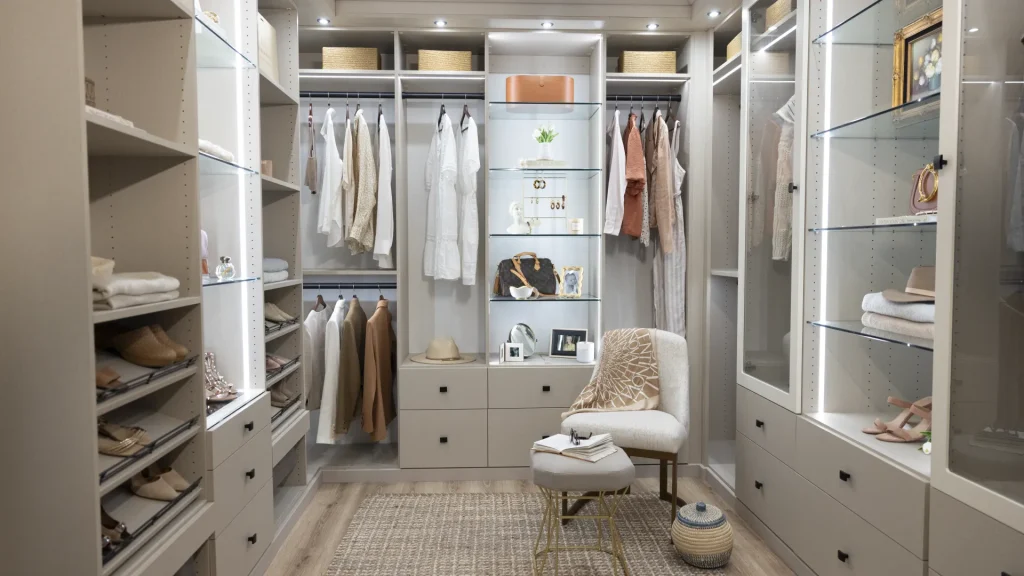
- Discard: Begin by separating items based on what truly brings you joy. This emotional criterion helps you detach from material possessions that no longer serve you.
- Organization: Categorize items according to type instead of location, such as clothing, books, documents, and miscellaneous items. This structured approach ensures that nothing is overlooked.
- Location: Select strategic spaces for the items you decide to keep. Assign each item a place that makes it easily accessible and returns to that same spot each time after use.
The beauty of the KonMari Method is its versatility; it can be applied in any home, regardless of size or style, making it a universal tool for invoking a sense of peace and order.
4. Create Storage Baskets
Storage baskets are a simple yet effective solution to keep your environment organized. They offer a designated space to store items that could easily turn into clutter, helping prevent the accumulation of things on visible surfaces and promoting a minimalist aesthetic.
Consider using different baskets for different categories, such as:
- Books and magazines: Organize your literature in a specific corner to avoid piles of books scattered around.
- Toys: Encourage children to tidy up by keeping their toys sorted into baskets, making cleanup a regular part of playtime.
- Cleaning products: Stow away cleaning supplies in easily accessible yet inconspicuous locations, like under the sink or in a storage closet.
By categorizing your baskets, you facilitate quick access and maintain the visual cleanliness that minimalism champions.
3. Establish Weekly Decluttering Routines
Minimalism thrives on the regular practice of reviewing and decluttering items that have outlived their usefulness. Establishing a weekly decluttering routine can help keep clutter at bay. This practice allows you to maintain a consistently organized space and reflects on your possessions’ necessity.
Suggestions for your decluttering routine include:
- Open the closet: Regularly sift through your clothes and separate garments that you no longer wear. Donate them to charitable organizations that support sustainability.
- Review documents: Discard unnecessary papers and digitize important documents to reduce physical storage needs and access them more easily.
- Assess kitchen utensils: Donate or discard kitchen items that are infrequently used, making room for essentials and streamlining meal preparation.
By integrating these activities into your routine, you maintain an organized home and develop a conscious awareness of your consumption habits.
2. Simplify Your Spaces with Multifunctional Furniture
The choice of furniture is crucial for implementing a minimalist lifestyle. Opting for multifunctional furniture can maximize space and minimize clutter, providing both utility and aesthetic appeal.
Investing in furniture that adapts to your needs not only aids in organization but also promotes a more spacious environment. For example, a sofa bed can offer a comfortable seating area and convert into a sleeping space when needed. Similarly, coffee tables with internal storage compartments provide a place to hide items, maintaining a tidy appearance.
Multifunctional furniture embodies the minimalist ethos: it’s smart, efficient, and helps uphold a clean, clutter-free space.
1. Practice the One-In, One-Out Rule
The one-in, one-out rule establishes that for every new item brought into the home, an old item should be discarded. This practice not only simplifies organization but also prevents the gradual accumulation of possessions over time. It is undeniably one of the most effective methods for ensuring your space remains minimalistic and free of disorder.
Moreover, adhering to this rule encourages mindfulness in purchasing decisions, prompting consideration of the necessity and value of each item before adding it to your home.
By applying this principle, you cultivate a culture of intentionality, promoting sustainability and fostering an environment that aligns with minimalist values.
In conclusion, adopting these five methods can help transform your living space into a haven of tranquility and order. As you embark on your minimalist journey, remember that the process is as much about changing mindsets and habits as it is about organizing physical spaces. By approaching your home with intention and purpose, you can create a balanced and harmonious living environment that supports your mental and emotional well-being.
| Category | Details |
|---|---|
| Space Optimization | By adopting a minimalistic approach, residents can effectively utilize every inch of their living space, maximizing functionality while reducing clutter. |
| Emotional Clarity | Minimalism promotes a calming environment, which fosters mental well-being. A decluttered space can lead to a decluttered mind, allowing individuals to focus better on tasks. |
| Sustainable Living | Implementing minimalist organization often entails reducing consumption, which promotes sustainability and encourages environmentally friendly practices. |
| Time Efficiency | A well-organized minimalistic home can significantly reduce time spent in searching for items or maintaining a clean space, thus allowing more time for leisure or productive activities. |
One can explore the concept of Space Optimization further by identifying the specific zones within a home that can benefit the most from minimalist practices. For instance, utilizing multifunctional furniture can not only streamline a room’s appearance but also provide dining, working, or lounging options in a single product. The reality is that homes are often burdened with items that serve little to no purpose, and by redistributing the focus on necessary objects, one can create a more welcoming, rather than overwhelming, living area.In terms of Emotional Clarity, studies have shown that our surroundings deeply affect our mental state. A home filled with excessive items can lead to feelings of anxiety or overwhelm, while a simplified, organized space encourages relaxation. Incorporating elements such as natural light, greenery, and open spaces can reinforce this tranquility. Focusing on maintaining only those items that evoke positive emotions or serve practical functions is key to unlocking a peaceful living environment.Moreover, Sustainable Living cannot be understated in today’s environment-conscious society. By adopting minimalistic systems, individuals not only cut back on waste but also foster a conscientious mindset towards consumption. This may involve donating unneeded items or choosing quality over quantity when making new purchases. Emphasizing sustainability in organization practices aligns personal improvement with a global responsibility, creating a more enduring impact.Lastly, the productivity gains associated with Time Efficiency are substantial. The process of decluttering allows individuals to prioritize their valuable time. Research suggests that when people spend less time managing their belongings, they can redirect that effort towards meaningful pursuits such as hobbies, family time, or professional aspirations. Techniques such as the “One In, One Out” rule can help maintain organization long-term, ensuring that new items acquired do not lead to previous chaos. Each of these categories plays a vital role in the overarching theme of implementing efficient systems of minimalist organization at home, revealing the multifaceted benefits beyond mere aesthetics.
Frequently Asked Questions About Implementing Efficient Minimalist Organization Systems at Home
What are the first steps to start implementing minimalist organization systems at home?
The initial steps to begin implementing minimalist organization systems include decluttering your space and identifying the essential items that add value to your daily life. Start by assessing each room and categorizing your belongings into keep, donate, and discard piles. This process helps you create a clean slate, making it easier to plan efficient organization systems tailored to your needs.
How can minimalist organization systems improve my everyday life?
Minimalist organization systems can significantly improve everyday life by reducing stress and enhancing productivity. A well-organized space can minimize distractions, allowing you to focus better and accomplish tasks more efficiently. Additionally, having fewer items means spending less time on cleaning and maintaining your home, resulting in more free time for activities you enjoy.
What role does sustainability play in minimalist organization?
Sustainability is a crucial aspect of minimalist organization by encouraging you to make conscious decisions about the items you choose to keep and purchase. By maintaining a limited number of possessions, you inherently reduce waste and your environmental footprint. This approach promotes a lifestyle of consuming responsibly and supports a shift towards more eco-friendly habits within your home.
Are there tools or resources available to help in the minimalist organization process?
Yes, there are numerous tools and resources available to assist with minimalist organization. Books, such as Marie Kondo’s “The Life-Changing Magic of Tidying Up,” offer valuable insights and methodologies for decluttering and organizing. Additionally, digital apps like Evernote or Trello can help you plan and manage your organization projects more effectively by tracking progress and maintaining permanent focus.
How do I maintain a minimalist organization system once it’s in place?
Maintaining a minimalist organization system requires a consistent effort to review and assess items regularly. Set specific intervals, such as monthly or quarterly, to revisit your belongings and ensure they align with your minimalist goals. It’s also beneficial to establish habits that prevent clutter, such as adopting a ‘one in, one out’ rule when acquiring new items or practicing mindful purchasing with an emphasis on quality over quantity.
Conclusion
Implementing efficient minimalist organization systems at home is not just about achieving a visually appealing space; it is about fostering an environment that enhances clarity and peace of mind. Through careful deliberation and strategic planning, individuals can transform cluttered and chaotic surroundings into havens of simplicity and function. Minimalism encourages the paring down of material possessions, prioritizing quality over quantity, and embracing a life with less distraction.
The article highlighted the top five strategies to implement these systems effectively: decluttering with purpose, utilizing multifunctional furniture, categorizing possessions mindfully, maximizing spatial utility, and regularly reassessing one’s environment. By employing these methods, you not only organize your space more efficiently but also reinforce a lifestyle grounded in intentional living. Decluttering is the cornerstone of minimalist organization, urging you to confront excess and eliminate it. Multifunctional furniture offers practical solutions to maximize space without sacrificing style, while thoughtful categorization ensures everything has its rightful place.
Optimizing spatial utility transforms underutilized areas into functional zones, fostering more productive usage. Regularly revisiting and adapting the organization strategy ensures that your space evolves to meet dynamic needs, highlighting the importance of reassessment. Minimalism in home organization echoes larger societal desires to lead a more focused and meaningful life.
Embracing these principles offers not only a well-organized home but also promotes a reflective lifestyle change. The pursuit of minimalist organization is a journey towards a more intentional, less cluttered existence. As the modern world grows increasingly complex, the relevance of minimalism continues to rise, encouraging us to question what truly adds value to our lives. Ultimately, these systems have the power to redefine our relationship with our living spaces, nurturing an environment where simplicity and purpose harmonize.