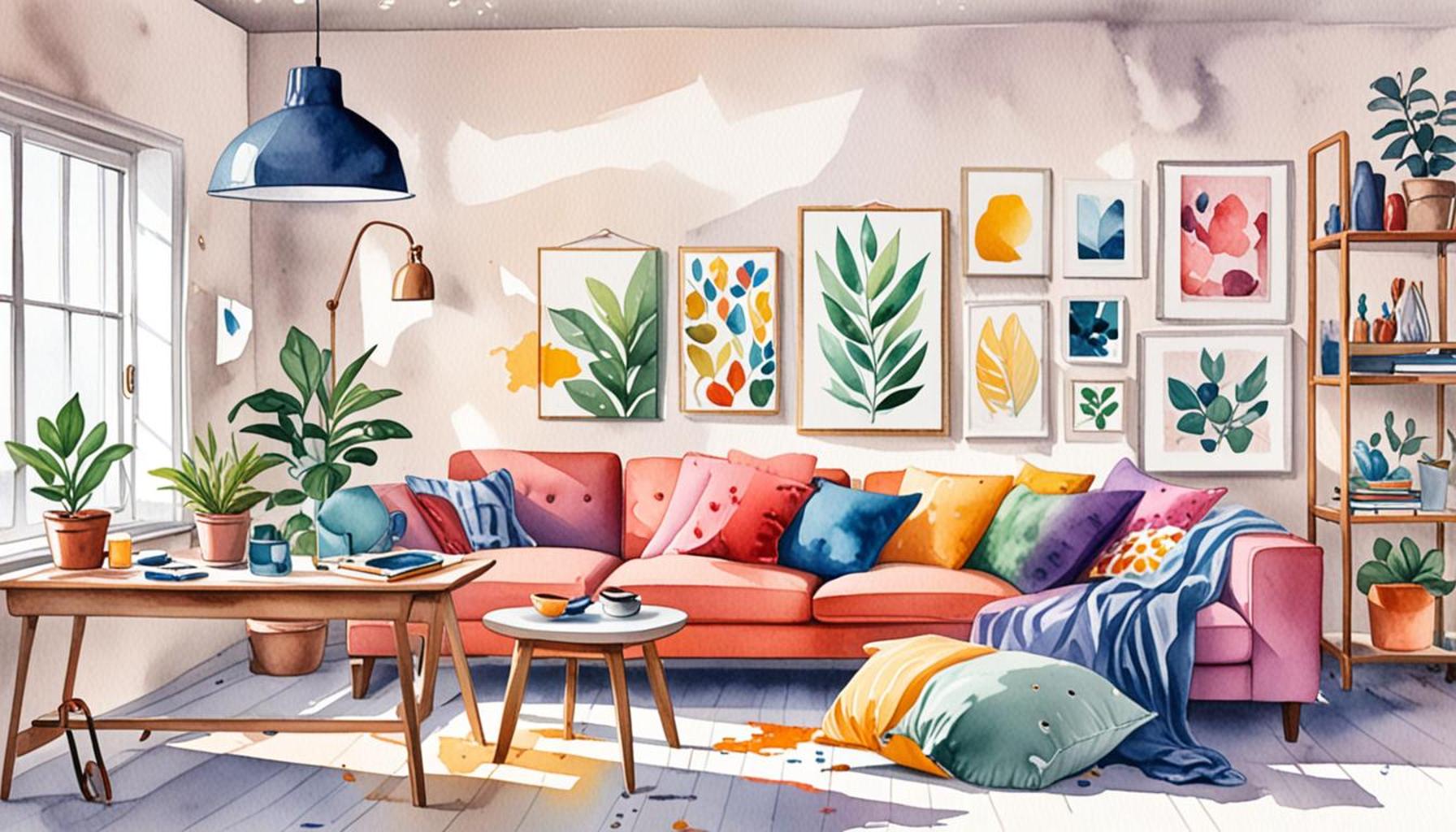
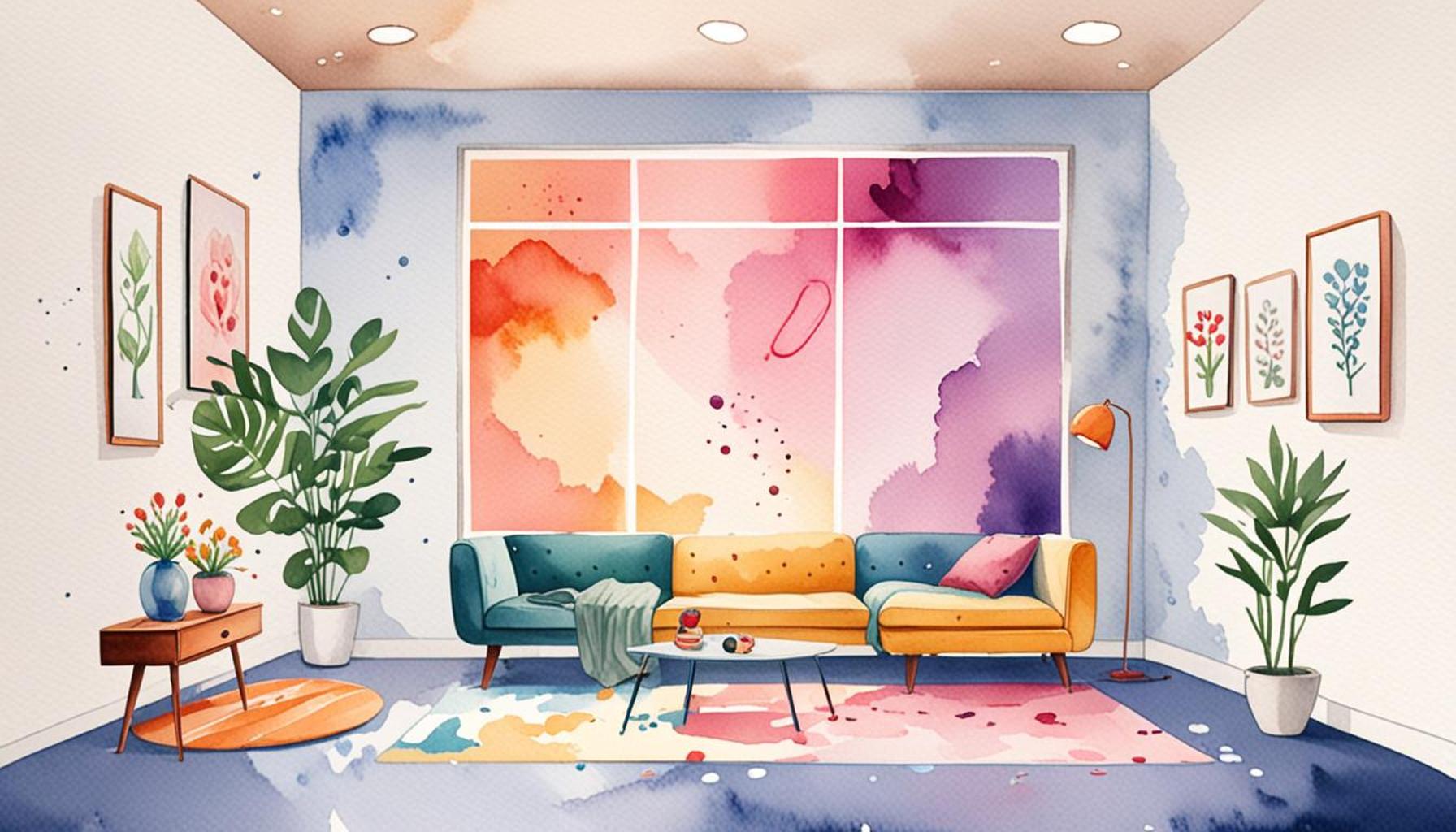
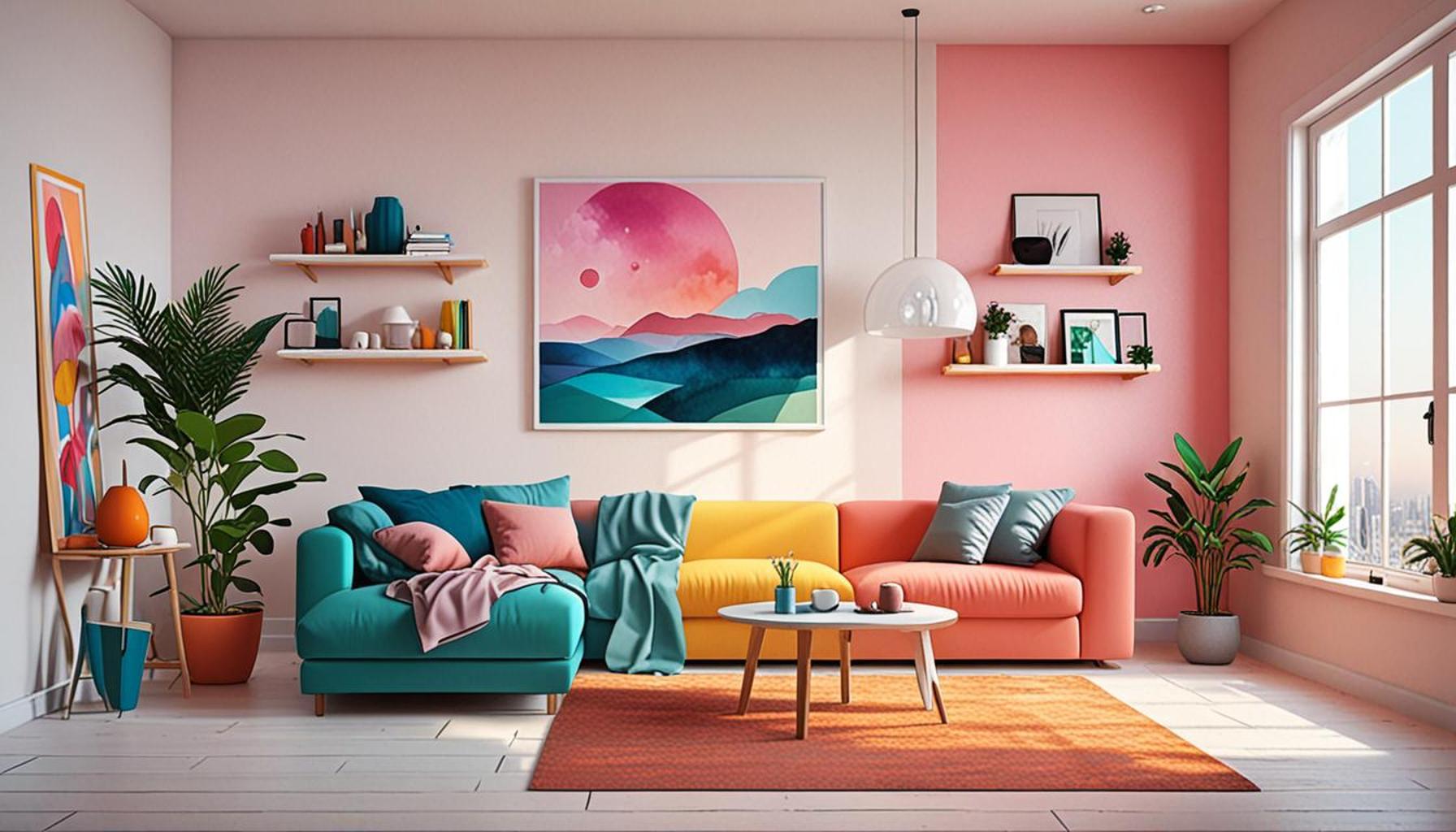
Mastering Organization Intentional Space Design for Productivity Wellness
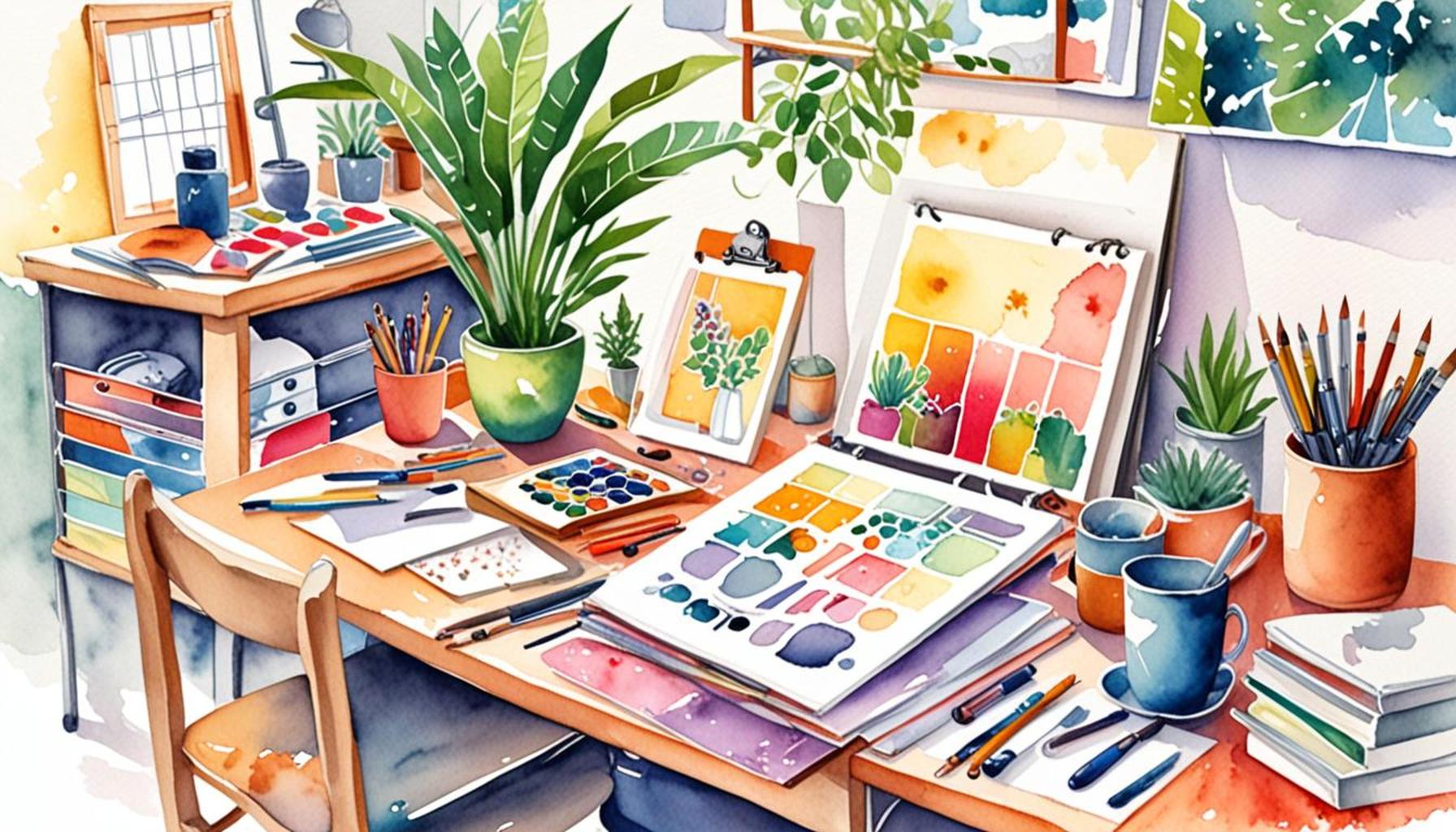
Enhancing Your Environment for Success
Effective organization is not just about decluttering your physical space; it is a crucial aspect of fostering productivity and promoting well-being. As modern living embraces the principles of minimalism, individuals are increasingly seeking ways to create intentional spaces that enhance focus and peace of mind. The concept of intentional space design merges aesthetics with functionality, allowing for both inspiration and efficiency.
Understanding how to cultivate such environments involves exploring various strategies that can transform our day-to-day experiences. Consider these factors that play a vital role in space organization:
- Color Psychology: The impact of color on mood and concentration.
- Furniture Layout: Arranging furniture to optimize movement and workflow.
- Natural Elements: Incorporating plants to improve air quality and enhance relaxation.
- Decluttering Techniques: Methods to reduce visual noise and distractions.
- Dedicated Zones: Creating specific areas for focused work, relaxation, and collaboration.
In this article, we will delve into the Top 5 strategies for designing spaces that prioritize your mental clarity and productivity. Prepare to uncover insights that will not only enhance your physical environment but also elevate your overall quality of life.
Top 5: The Art of Organizing – Strategies for Designing Intentional Spaces that Stimulate Productivity and Well-Being
In today’s fast-paced environment, where distractions are omnipresent and life seems to move at the speed of light, the art of organization has transformed from a simple task into a fundamental necessity. How we design and maintain our living and working spaces can profoundly impact our productivity, creativity, and mental well-being. This article explores five pivotal strategies for curating spaces that are not just visually appealing but also psychologically fulfilling. These strategies are meticulously crafted to guide you towards an organized lifestyle, fostering mental clarity and operational efficiency.

5. Embrace Minimalism
At the core of effective organization lies the philosophy of minimalism, a lifestyle choice that emphasizes the reduction of unnecessary possessions and distractions. By practicing minimalism, you are encouraged to declutter not only your physical spaces but also to rid yourself of mental clutter. This approach is not about deprivation but about creating a meaningful space that prioritizes quality and intention over quantity and chaos.
Minimalism invites us to reevaluate the items we possess, keeping only those that serve a purpose or spark joy. By letting go of excess, you cultivate a workspace that breathes simplicity and a mind that experiences clarity. Here are some actionable steps to realize minimalism:
- Perform a thorough decluttering session at least once a year. This involves taking inventory of everything you own, from clothing to office supplies, and deciding what truly deserves a place in your space.
- Invest in multifunctional furniture that minimizes space use. Think of a bed with built-in storage or a desk that doubles as a dining table. Multi-purpose furnishings can keep your space open and airy.
- Create designated zones for different activities to avoid mixing personal and professional clutter. Distinguish between work, relaxation, and leisure zones to maintain order and mental separation between activities.
4. Optimize Natural Light
It is undeniable that natural light holds a transformative power over our spaces and ourselves. Studies have consistently shown that exposure to natural light can significantly improve mood, increase productivity, and even boost Vitamin D levels, which are critical for overall health.
Integrating natural light into your interior space isn’t merely about aesthetics; it’s about enhancing the livability and functionality of your space. Here are some methods to optimize the natural light in your surroundings:
- Use sheer curtains or blinds that can be adjusted easily to control light exposure. These allow for flexibility to either soften the light coming through or to fill your room with sunlight.
- Avoid heavy drapery that blocks sunlight, especially in workspaces. Open window treatments encourage natural light flow, reducing the dependency on artificial lighting.
- Incorporate mirrors to reflect light and create the illusion of more space. Placing mirrors strategically can bounce light deeper into rooms, making them feel larger and brighter.
With these adjustments, your space not only becomes a well-lit haven but also contributes to your mental and emotional health.
3. Design for Comfort
The importance of comfort in your environment cannot be overstated. Ergonomically designed furniture and comforting textiles can lead to greater productivity and a more positive emotional state. When your body is supported and comfortable, your mind can focus on the tasks at hand.
To enhance comfort in your space, consider the following:
- Choose furniture that supports long periods of sitting or standing. Ergonomic chairs and height-adjustable desks are not just trendy; they are a necessity for reducing strain and enhancing focus.
- Incorporate soft textures for seating and décor to create a warm atmosphere. Soft pillows, plush throw blankets, and rugs can make any space feel cozy and welcoming.
- Include plants, which can improve air quality and create a calming environment. Adding greenery not only boosts aesthetics but also improves oxygen levels and reduces stress.
Comfort transforms your space into a personal retreat where every hour is not just bearable but enjoyable.
2. Create a Functional Layout
A strategically designed layout is crucial for maximizing both the functionality and flow within any space. Whether it is a bustling home office or a tranquil living room, the way furniture and fixtures are arranged can dictate how movements and activities are carried out.
To craft a layout focused on functionality, consider implementing these strategies:
- Identify “flow paths” and make sure they are unobstructed by furniture. Clear pathways enhance ease of movement and prevent any practical or aesthetic blockages.
- Group related items together for easy access, making tasks smoother. Keeping similar items in proximity enhances workflow and increases productivity.
- Install organizational tools such as shelving or cabinets to keep clutter at bay. Proper storage solutions keep your space tidy and your mind organized.
A well-planned layout simplifies daily routines, making every square inch effective and functional.
1. Foster Personalization
The most transformative strategy when organizing any space is to foster personalization. Personalizing your environment infuses it with elements of your identity, which can amplify inspiration and engagement in your space. A personalized space feels more intimate and inviting, motivating you to thrive within its bounds.
Here are some ideas to infuse your space with personality:
- Display artwork, photos, or objects that inspire you. Personal mementos and art pieces can strike a chord of inspiration and nostalgia, making your space uniquely yours.
- Incorporate color schemes that energize or calm you, depending on your preferences. Whether through paint, textiles, or accessories, color plays a crucial role in setting the mood and energy of a space.
- Arrange your workspace with personal tools that suit your workflow. Customized setups that reflect your individual working style can enhance efficiency and comfort.
By imbuing your space with elements of your personal identity, you create a sanctuary that not only comforts but also energizes your everyday activities. Ultimately, these strategies converge to design spaces intentionally crafted for well-being and success.
In conclusion, the art of organizing extends beyond mere tidiness. It encompasses cultivating environments that inspire, nurture, and enhance your life. By integrating these five strategies into your space, you foster a nurturing environment that not only looks aesthetically pleasing but profoundly impacts your overall productivity and mental well-being. Embrace the art of organization, and explore the boundless possibilities of intentional living.
Engaging in the art of organizing requires a multi-faceted approach that not only considers aesthetics but also the psychological impacts of the environment. Each element, from layout to color, plays a pivotal role in establishing intentional spaces that foster productivity and well-being. By exploring and integrating these categories, individuals and organizations alike can transform their environments into hubs of creativity and efficiency.
Frequently Asked Questions about Organizing Spaces for Productivity and Well-Being
What are the first steps in organizing a space to improve productivity and well-being?
To embark on the journey of organizing a space that enhances productivity and well-being, start by decluttering. Remove unnecessary items to create a clean canvas. This process not only clears physical space but also helps declutter your mind. Afterward, prioritize what is essential for your daily tasks and comfort. Consider incorporating elements that inspire you, like artwork or plants, and ensure that your space reflects your personal taste and functional needs. Building an intentional environment is key to fostering a productive and positive atmosphere.
How can strategic space design influence mental health and productivity?
The design of a space can have a significant impact on mental health and productivity. A well-organized space reduces stress and can enhance focus. An intentional design involves not just aesthetics but also smart spatial arrangements that allow for efficient workflow and reduce distractions. Implementing natural lighting, ergonomic furniture, and calming color palettes can positively influence mood and encourage creativity. Studies have shown that such environments can increase productivity by up to 20% and reduce stress levels significantly.
Are there specific organizational tools that are recommended for optimizing a workspace?
Yes, several tools can optimize a workspace. Adjustable desks and ergonomic chairs are essential for comfort and posture. Utilize storage solutions like shelves, filing cabinets, and desk organizers to maintain order. Cable management systems are also beneficial in reducing clutter. Digital tools, such as task management apps and calendar systems, can help in keeping track of activities and deadlines efficiently. Each of these tools contributes to a seamless and focused work environment.
Can personalizing a workspace have an impact on work performance?
Absolutely. Personalizing a workspace can lead to a greater sense of ownership and emotional connection to the work you do. A personalized environment that reflects one’s personality and preferences can increase satisfaction and motivation. However, it’s crucial to strike a balance, as excessive personalization may lead to potential distractions. Essential elements like personal photos, favorite books, or inspiring quotes can add a personal touch while maintaining productivity.
What role do colors and lighting play in enhancing productivity and well-being in a workspace?
Colors and lighting are powerful elements in influencing mood and productivity. Colors like blues and greens are known to be calming and conducive to focus, while yellows can inspire creativity. Lighting, particularly natural light, is vital as it enhances mood and energy levels. Insufficient lighting can lead to fatigue and eye strain, while well-lit areas with proper lighting design can increase alertness and efficiency. Consider using a combination of task lighting and natural light to create an optimal working environment.
Conclusion
The art of organizing is not merely a matter of aesthetics; it is a critical strategy for enhancing both productivity and well-being. Throughout this exploration, several key insights have emerged, each emphasizing the profound impact of intentional design on our daily lives. By prioritizing minimalism, individuals can reduce the clutter that overwhelms both the physical and mental space, fostering a serene environment conducive to creativity and focus.
Main Takeaways
- Decluttering paves the way for clarity and efficiency, enabling us to maintain focus on what truly matters.
- Clever storage solutions and a thoughtful layout ensure that spaces are both functional and inspiring.
- The use of color and lighting can subtly shift the ambiance of a room, enhancing mood and energy levels.
- Incorporating nature through plants and natural materials can significantly boost physical and mental health.
- Personalized elements, including meaningful decorations, can strengthen motivation and personal satisfaction.
As we navigate our increasingly fast-paced world, the necessity of harmonizing our environments to support our goals cannot be overstated. The application of these strategies in organizing our spaces goes beyond mere tidiness; they represent a thoughtful approach to living intentionally and purposefully. By embracing the principles of minimalism and personal organization, individuals are not only optimizing their environments but also opening the door to a more focused and fulfilled life.
In conclusion, the integration of these concepts invites us to reconsider how we view our surroundings. Through thoughtful organization, we create a lasting impact on our personal and professional lives, challenging ourselves to delve deeper into the potential of space and its influence on our well-being.