Create Intentional Spaces Transform Your Home into a Minimalist Haven
The concept of minimalism extends far beyond mere aesthetics; it’s a philosophy that encourages us to curate our physical and mental environments. In a world overwhelmed by consumerism and clutter, creating intentional spaces becomes vital for fostering clarity and peace at home. By embracing the principles of minimalism, you can transform your living space into a serene retreat that reflects your true self.
Realizing the power of a well-organized home is the first step towards a fulfilling lifestyle. Benefits of minimalism include:
- Reduced Stress: A decluttered environment can significantly lighten mental burdens.
- Enhanced Focus: Intentional spaces promote concentration and creativity.
- Improved Well-being: Surrounding yourself with only what you love fosters joy and satisfaction.
As we delve deeper, prepare to explore our Top 5 tips for creating spaces that not only embody minimalism but elevate your living experience. Discover how small changes can lead to profound transformations in your home and your life.
Creating Intentional Spaces: How Minimalism Can Transform Your Home into a Refuge of Clarity
In today’s world, where excess often becomes a burden, minimalism emerges as an effective solution to reduce clutter and create spaces that promote peace and clarity. In this article, we will delve into the five key aspects of how minimalism can transform your home into a sanctuary of tranquility and intentionality.
5. Reduction of Physical and Mental Clutter
Clutter is not confined to the objects occupying space in your home; it also accumulates in our minds, creating an environment of stress and distraction. By adopting the practice of decluttering—a deep cleaning of your living space—you can purify not only your home but also your mental state. This reduction of physical clutter can lead to:
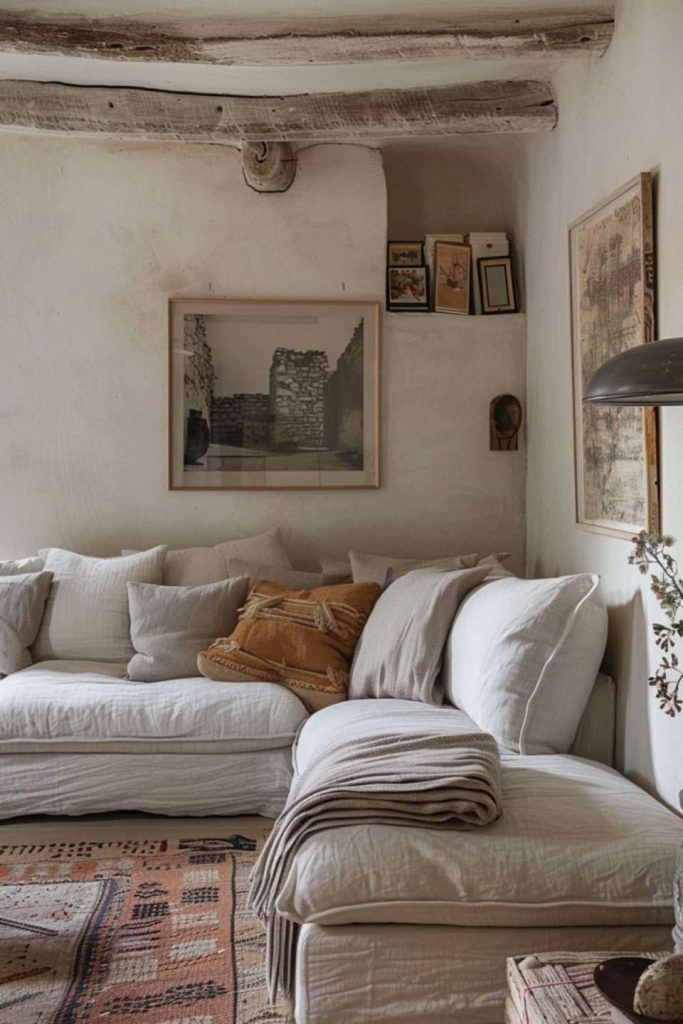
- Increased Productivity: A tidy space allows you to focus better on your tasks, enabling more efficient work and decision-making processes.
- Relaxation: Fewer items in the home translate to a calmer environment, where you can unwind without visual distractions.
- Cultivation of Intentionality: By selecting only the objects that genuinely bring value to your life, you create a living space filled with purposeful elements.
Reducing clutter is a fundamental step towards transforming your home into a genuine refuge of clarity, helping both the mind and the body breathe easier.
4. The Importance of Functionality
Another essential principle of minimalism is functionality. Every item in your home should serve a practical function, contributing positively to daily life. When selecting furniture and accessories, ask yourself: “Is this item truly necessary?” A functional environment promotes:
- Space Efficiency: Opt for furniture with multiple uses, such as sofa beds or foldable tables, to maximize your home’s potential.
- Simplicity: Functional spaces often possess a simpler design, bringing peace to the surroundings without unnecessary complexity.
- Efficiency: In a home where each item has a purpose, the time and effort required to maintain order is drastically reduced.
Investing in functionality ensures that your home is not only stylish but also practical, catering to your daily needs without the burden of excess.
3. Embracing Open Spaces
Minimalist design often favors open and airy spaces that offer a sense of freedom and movement. By creating a more open home environment, you foster:
- Natural Light: Open spaces allow more light to enter, which is crucial for psychological well-being and creating a vibrant living atmosphere.
- Air Flow: A setting with good air circulation can significantly enhance the quality of the air and the health of its inhabitants.
- Connectivity: Open environments encourage interaction between residents, fostering a more cohesive and united household.
Incorporating open spaces within your home can counteract feelings of claustrophobia and build an environment that serves as a refuge of clarity and openness.
2. Choosing Neutral Colors and Simple Textures
The colors you choose for your home can have a profound effect on its atmosphere. The use of neutral tones and simple textures creates a serene and peaceful environment. The benefits include:
- Visual Calmness: Soft hues produce a relaxing ambiance that can help alleviate anxiety and soothe the mind.
- Versatility: Neutral colors are easy to pair with various décor styles, making them an adaptable choice for any home.
- Celebration of Simplicity: Fewer colors and patterns help direct attention to what genuinely matters, without unnecessary distractions.
Selecting neutral colors and simple textures is a powerful method to craft an intentional space that promotes clarity and tranquility.
1. Focusing on What Truly Matters
At the heart of minimalism lies the concept that less is more. By concentrating on what genuinely matters, you transform your home into a refuge of clarity. This entails:
- Appreciation of Essential Items: Favor possessions that serve a purpose or hold significant emotional value, enhancing the quality of your home life.
- Mindful Consumption: Adopt habits of mindful purchasing, ensuring that each new item genuinely enriches your living space.
- Quality over Quantity: Invest in high-quality goods that last longer and provide more satisfaction than numerous unnecessary items.
The practice of focusing on what truly matters not only streamlines your environment but also fundamentally shifts your lifestyle towards one filled with intention and purpose.
As you can see, embracing minimalism offers a clear path to transforming your home into a sanctuary—a place where physical surroundings become a true reflection of inner peace and clarity. This approach invites each of us to reconsider not just how we organize our belongings but how we can live more intentionally, connect more deeply with our environment, and ultimately, find solace in simplicity amidst the chaos of modern life.
Embracing minimalism as a lifestyle can have profound effects beyond just aesthetics; it can deeply enhance how one interacts with their living spaces. This concept is not merely about decluttering or removing excess items; it’s about creating intentional spaces that promote clarity, peace, and functionality. Below, we detail various advantages associated with this transformative approach, illustrating how minimalism can serve as a tool for personal improvement and sustainable living.
| Category | Description |
|---|---|
| Enhanced Focus | By reducing distractions, minimalism fosters an environment conducive to concentration, allowing individuals to engage in tasks without the chaos of clutter. |
| Emotional Well-being | Less clutter not only leads to a more organized space but also contributes to lower stress levels. A minimalist home can evoke feelings of tranquility and peace. |
| Sustainable Living | Embracing a minimalist lifestyle promotes sustainability by encouraging mindful consumption, thus reducing waste and minimizing one’s carbon footprint. |
| Improved Functionality | When spaces are designed with intention, each item serves a purpose, allowing for a seamless flow and easier navigation within the environment. |
Integrating minimalism into home design not only reshapes physical surroundings but also cultivates a more profound sense of self-awareness. As individuals curate their spaces, they often find a parallel journey toward understanding their values and priorities—facilitating a more harmonious lifestyle overall. This is where the concept of intentionality becomes paramount, as every choice made within the home reflects the inhabitants’ journey toward clarity and purpose. Exploring these dimensions reveals the potential of minimalism to transform our interactions with both our living spaces and ourselves.
Frequently Asked Questions about Creating Intentional Spaces with Minimalism
What is the fundamental principle of minimalism in home design?
The core of minimalism lies in the philosophy of “less is more.” This design principle encourages homeowners to strip away unnecessary elements, focusing on essential items that bring value and joy. The result is a more streamlined, clutter-free space that fosters a sense of peace and clarity. By reducing visual noise, minimalism aims to create an environment where the mind can relax, making your home a true sanctuary.
How can minimalism contribute to mental well-being?
Minimalism is known to have a profound impact on mental health by promoting a **sense of order and calm**. By decluttering your living space, you can reduce stress and anxiety, which are often exacerbated by chaotic environments. A minimalist home encourages mindfulness, allowing individuals to focus on the present and appreciate their surroundings without distractions. This serene atmosphere can significantly enhance overall well-being and mental clarity.
Does adopting a minimalist lifestyle mean getting rid of everything?
No, adopting minimalism doesn’t mean disposing of all belongings. It’s about making intentional choices regarding what to keep and what to let go. Prioritize items that **serve a purpose** or bring happiness, rather than impulsively discarding everything. Minimalism encourages a mindful approach to consumption, prompting a deeper appreciation for the things you own.
How does minimalism influence sustainability?
Minimalism can be closely linked to sustainability since it advocates for reducing waste by consuming less and opting for quality over quantity. When adopting minimalism, many people find themselves more inclined to make **conscious purchasing decisions**, choosing items that are durable and sustainable. This approach not only decreases one’s environmental footprint but also supports a more sustainable lifestyle in the long run.
Can minimalism be adapted to small living spaces?
Absolutely. In fact, minimalism is particularly beneficial in small areas, where space is at a premium. By focusing on **multi-functional furniture** and storage solutions, minimalism can maximize the utility of compact spaces. The elimination of unnecessary items can make even the smallest home feel open and expansive, improving the overall living experience.
Conclusion
In exploring how minimalism can transform your home into a sanctuary of clarity, we’ve uncovered essential insights into the art of intentional living. By embracing minimalism, you cultivate spaces that alleviate clutter and cultivate an environment that enhances psychological well-being. The cornerstone of this approach lies in the deliberate curating of possessions, fostering a living space that resonates with purpose and simplicity.
Minimalism is not merely a design trend; it is a lifestyle choice that advocates for intentionality and clarity. It encourages us to evaluate our relationship with material possessions, prioritizing quality over quantity. Decluttering your home can provide not just a physical release but a mental one as well, rendering your home a personal refuge where relaxation and mindfulness can flourish. This mindful organization results in improved focus and productivity, reinforcing the notion that our environment significantly impacts our mental state.
Furthermore, living with less not only benefits us personally but also contributes to environmental sustainability by reducing waste. The simplicity of a well-curated space allows residents to find peace amidst a chaotic world, and it supports a lifestyle focused on experiences rather than material accumulation.
In conclusion, adopting minimalism as a way of life holds transformative potential for our homes and minds alike. This philosophy underscores the importance of simplicity, intentionality, and prioritizing what truly matters. As we declutter our spaces, we open up room for clarity and reflection, inviting serenity into our daily lives. The journey towards creating intentional spaces with minimalism is a rewarding path to not only enhancing our environment but also nurturing a sense of inner peace. We encourage readers to reflect on how incorporating these principles might positively influence their own living spaces.