Collaborative Music Projects: Building Community Through Joint Musical Endeavors
The Unifying Power of Collaborative Music
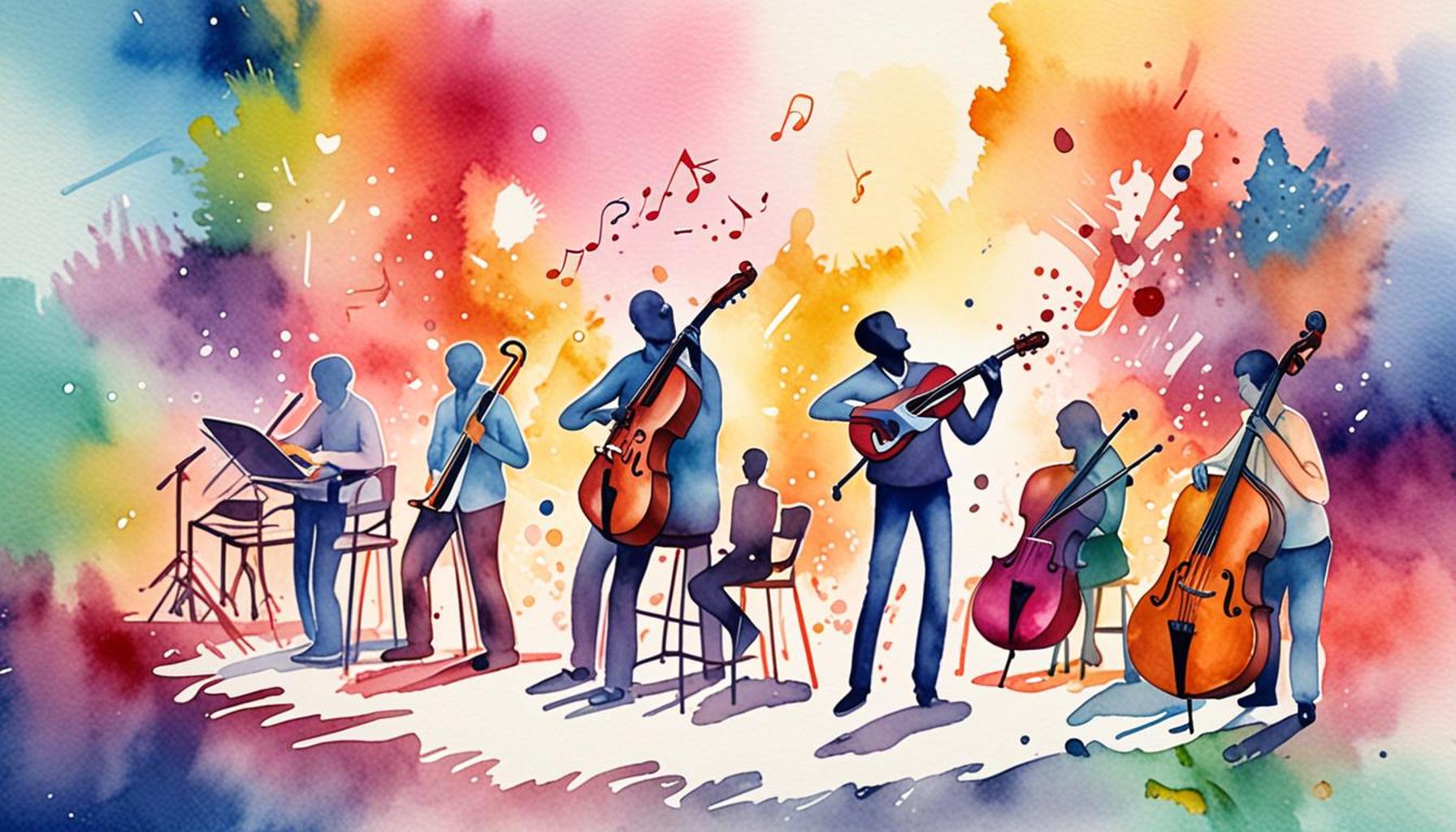
Music has an extraordinary ability to unite individuals, transcending boundaries and differences. In an era where individualism often reigns supreme, collaborative music projects serve as a testament to this power, fostering community and promoting creativity through shared endeavors. Through music, people from various walks of life can come together, bridging cultural gaps and creating lasting connections.
In today’s diverse musical landscape, various forms of collaboration can be seen. These collaborative efforts not only enhance artistic expression but also promote social cohesion among participants. Here are some prominent examples:
- Local Jam Sessions: Weekly gatherings in community centers, coffee shops, or parks where musicians—both seasoned and amateur—come together to share their talents and ideas are thriving across the country. These informal events often give rise to spontaneous collaborations, allowing artists to experiment with different genres and styles, fostering a unique local music scene.
- Online Collaborations: As technology advances, artists from different regions or even countries are uniting via digital platforms such as SoundCloud, BandLab, and Zoom. For instance, collaborations between hip-hop artists in Los Angeles and jazz musicians in New Orleans can result in innovative soundscapes that transcend traditional genres, reaching wider audiences and creating a melting pot of musical expression.
- Charity Events: Fundraisers, benefit concerts, and music festivals have become crucial avenues for musicians to support causes close to their hearts. The annual “Farm Aid” concert, which brings together artists from various genres to raise money for struggling farmers, showcases the power of music to advocate for pressing issues, while simultaneously creating a sense of unity among artists and audience members.
These collaborative projects create an atmosphere where participants often find that collaboration leads to unexpected creativity. Musicians develop a deeper understanding of their peers’ backgrounds and influences, enriching their own artistry. In projects like “Playing for Change,” where musicians from different cultures come together to share their music, the impact can ripple through communities, fostering empathy and mutual respect.
As the music industry continues to evolve, understanding the mechanics and benefits of these collaborative endeavors becomes essential. The ability for musicians to work together, both physically and virtually, opens up new possibilities for artistic exploration and community engagement. In this article, we will delve into the dynamics of collaborative music projects, highlighting their role in fostering meaningful connections among artists and audiences alike.
The Dynamics of Collaborative Music Projects
Collaborative music projects have emerged as vibrant hubs of creativity and social interaction, influencing not only the artists involved but also the communities that engage with them. At their core, these endeavors dismantle the barriers that often compartmentalize individuals within the music scene. By bringing together diverse voices, backgrounds, and influences, collaborative projects create rich tapestries of sound that reflect the multifaceted nature of society itself.
One of the most compelling aspects of collaborative music projects is their ability to foster authentic connections among participants. This interaction lays the groundwork for communal identity and shared purpose. When musicians participate in ensemble work or collective songwriting, they inevitably incorporate pieces of their personal experiences, cultural heritage, and artistic styles into the project. This merging of influences not only enriches their own music but also provides a platform for exploring complex themes relevant to their communities. For example, initiatives like “Sweet Relief,” which connect artists with specific social justice causes, can galvanize creativity in ways that provoke thought and inspire action among both participants and audiences.
Collaboration also plays a vital role in music education and mentorship. Projects designed to involve young musicians alongside seasoned professionals can cultivate skills while building lifelong relationships. Programs like the Young Musicians’ Collaborative in major US cities facilitate this by providing a platform for mentorship, allowing aspiring artists to learn from experienced musicians, engage in workshops, and collaborate on live performances. These interactions not only enhance musical talent but also reinforce the importance of community in personal and professional growth.
Moreover, the impact of collaborative music extends far beyond the individual participants. When local music scenes thrive through joint endeavors, they can invigorate the surrounding communities, stimulating economic growth and cultural development. Local festivals, where various artists showcase their work, serve as prime examples of how collaborative efforts can attract visitors, boost small businesses, and create a sense of pride among residents. These events foster a shared identity and inspire future generations to participate in their local music scenes.
As we examine the landscape of collaborative music projects, it becomes clear that their allure lies not only in the music produced but also in the community ties they strengthen and build. The convergence of artists from different backgrounds—whether local or remote—highlights the unifying effects of music, inviting a dialogue that challenges societal norms and embraces diversity. This dynamic creates spaces where collaboration thrives, encouraging participants to step outside their individual comfort zones and embrace new ideas.
Through a closer look at specific initiatives and case studies, we can appreciate how these collaborative music projects actively shape the cultural fabric of communities and offer paths toward greater understanding and connection among people from all walks of life.
Exploring the Impact of Collaborative Music Projects
Collaborative music projects serve as a powerful medium for fostering community, understanding, and creative expression. These initiatives bring together diverse groups of individuals who might otherwise not connect, allowing them to unite their talents and share their stories through music. The shared experience of collaboration can result in profound social bonds and lasting friendships, forming a network of support among participants. In a world where digital interactions often overshadow face-to-face engagement, these joint musical endeavors create opportunities for individuals to connect personally and forge meaningful relationships. For instance, community orchestras and bands often draw members from various backgrounds, with both amateur and skilled musicians coming together to create harmony in more ways than one. Moreover, the act of creating music together encourages participants to develop essential skills such as teamwork, communication, and empathy. These skills are invaluable not only in musical settings but also in everyday life, enhancing the overall well-being of individuals involved. In addition to fostering personal connections, collaborative music projects can also promote cultural exchange. When musicians with different cultural backgrounds create music together, they share elements of their traditions, leading to greater understanding and appreciation of one another. This multicultural collaboration can culminate in unique musical styles that reflect the rich tapestry of human experience.To further emphasize the benefits of these community-driven initiatives, here is a table highlighting key advantages:
| Advantage | Description |
|---|---|
| Fostering Connections | Brings together diverse groups to build personal bonds. |
| Promoting Cultural Exchange | Encourages appreciation of different musical traditions. |
Through these examples, it’s evident that collaborative music projects are not just about creating melodies; they are a vital catalyst for enriching community life and nurturing human connections across cultural divides. The question remains: how can we harness the full potential of these initiatives to inspire even greater collaboration and creativity? By exploring this further, we can unlock new dimensions of community engagement and musical innovation.
Empowering Local Voices Through Collaboration
As collaborative music projects continue to flourish, they bring to light not only the universal language of music but also the unique voices within specific communities. Artists who might have previously felt marginalized or overlooked often find empowerment through joint musical endeavors. Projects like Got Soul, which focus on elevating local artists from underserved neighborhoods, illustrate how collaboration can serve as a catalyst for social change. By providing these artists with resources, exposure, and the opportunity to collaborate with established musicians, such initiatives help nurture future talent while increasing representation in the music industry.
A noteworthy example is the Local Harmonies program in Seattle, which seeks to unite musicians from diverse backgrounds to create original compositions. The initiative not only fosters musical innovation but also prioritizes storytelling, enabling artists to share their experiences and connect with one another on a profound level. The process of co-creating music encourages participants to step back from their individual pursuits and focus on shared narratives, further strengthening community ties and promoting understanding among various cultural groups.
Leveraging Technology to Enhance Collaboration
In an increasingly digital world, technology plays a significant role in the evolution of collaborative music projects. Online platforms and social media facilitate connections among artists, regardless of geographical boundaries. Tools like Soundtrap and BandLab allow musicians to collaborate remotely, providing an avenue for creativity that transcends traditional limitations. As musicians share recordings and remix each other’s work through these platforms, they cultivate a sense of global community while expanding their musical horizons.
Additionally, virtual collaborations have gained traction during times of social distancing, showcasing how innovation can preserve the collective spirit of musicians. During the pandemic, projects like United We Stream emerged, encouraging artists and venues globally to come together for live-streamed performances. This not only supported struggling venues during lengthy closures but also united artists and fans in a shared experience when physical gatherings were restricted.
Case Studies: Success Stories of Collaborative Music Projects
Several case studies stand out as testaments to the transformative power of collaborative music projects. The One Heart Choir, for instance, was initiated in Los Angeles, where its members—from various backgrounds—gathered to create harmonious sounds that celebrate diversity. This choir does not focus solely on performance but emphasizes the therapeutic benefits of singing together, allowing individuals to express themselves and find solace in shared musical experiences.
Similarly, the Woodshed Collective in New York operates under the principle that collaborative music-making can delve deeper into cultural dialogue. In their workshops, artists from varied genres come together to compose music that embodies the complexities of urban life, creating a soundtrack that reflects the community’s lived experiences. The success of such initiatives underlines not only the importance of cultivating local talent but also the way collaboration can amplify underrepresented voices in music.
Overall, the proliferation of collaborative music projects demonstrates a communal spirit that resonates across the United States, engaging audiences and inspiring artists alike. By embracing the collaborative mindset—whether through local engagements or digital partnerships—musicians can forge connections that uplift their communities and spur meaningful dialogues that transcend personal artistry.
Conclusion: The Transformative Power of Collaboration in Music
In conclusion, collaborative music projects represent a vibrant and essential force in the music landscape, fostering not only artistic innovation but also building strong, interconnected communities. Whether through local initiatives like Got Soul and Local Harmonies, or global platforms that bridge geographical divides, such projects create spaces where diverse voices can unite to share their stories. The enduring impact of collaboration highlights how music transcends barriers, empowering artists to explore their identities and connect with others on a deeper level.
Moreover, the role of technology in enhancing these collaborative efforts cannot be overstated. Digital tools and online platforms enable artists to collaborate across distances, ensuring that creative connections can thrive in an increasingly globalized world. As we have seen, the rise of initiatives like United We Stream reveals the innate human desire for togetherness, even when physical proximity is not possible.
As we look to the future, the challenge lies in sustaining and expanding these collaborative efforts. Encouraging diverse participation and supporting emerging artists will be crucial in ensuring that the music community remains inclusive and vibrant. In exploring the potential of these collaborative music projects, we not only nurture talented individuals but also cultivate a rich tapestry of cultural narratives that promote empathy and understanding among people from all walks of life. The journey of music collaboration is just beginning, and its potential to heal, inspire, and unite communities is boundless.