The Science Behind Cooking: How Chemical Techniques Transform the Flavor of Food
Understanding the Chemistry of Cooking
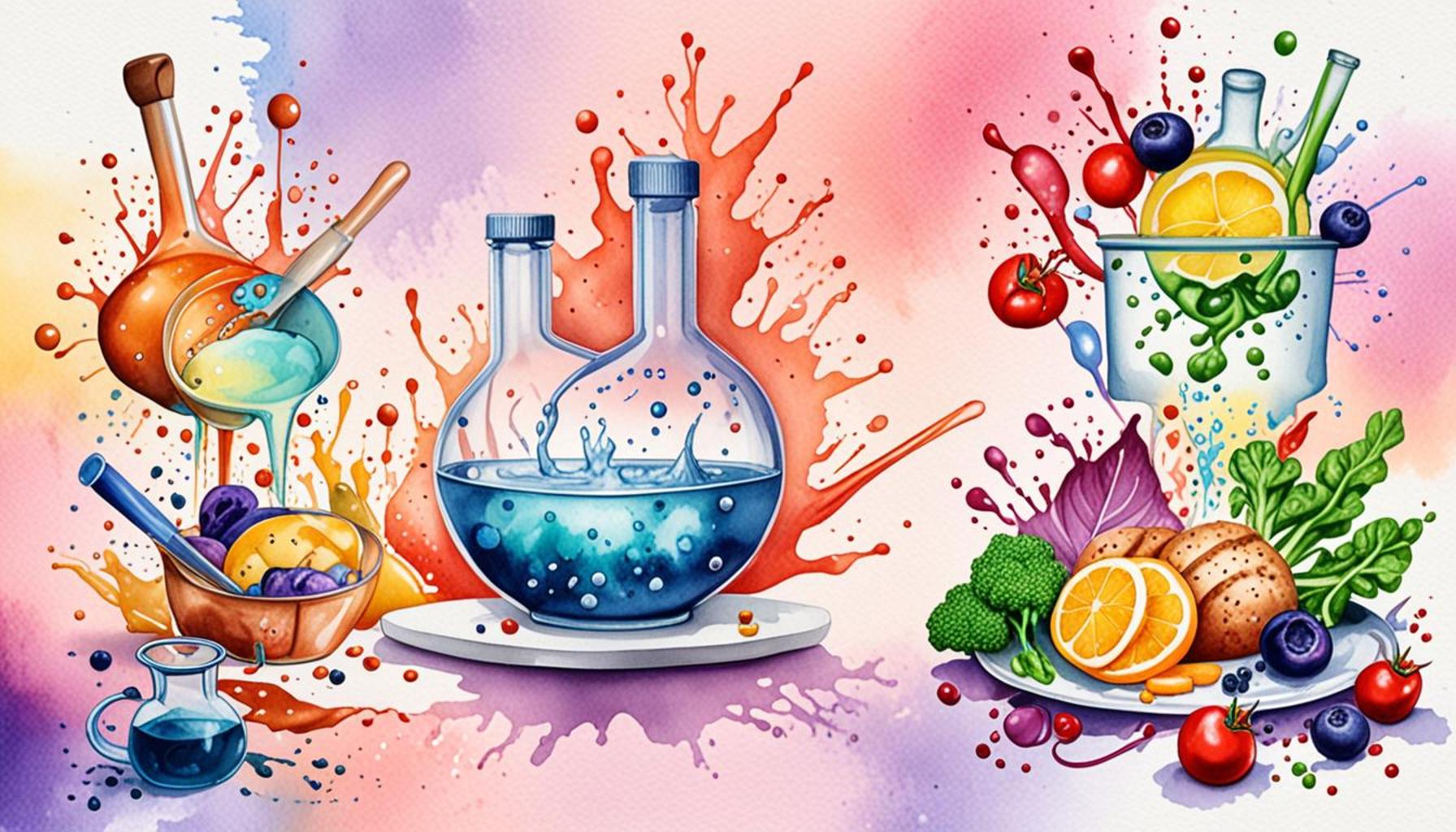
The science behind cooking goes beyond the simple act of mixing ingredients; it involves a myriad of chemical reactions that elevate the flavor profiles and textures of our food. Engaging with the chemical techniques of cooking not only enriches our culinary skills but also deepens our understanding of what makes food delicious. By exploring the intricate relationships between ingredients, we can create dishes that not only satisfy hunger but also delight the senses.
Among the pivotal chemical transformations that occur during cooking, a few stand out for their profound impact on flavor and texture. Here’s a closer look at some of these essential techniques:
- Maillard Reaction: This complex chemical reaction occurs between amino acids and reducing sugars when food is cooked at high temperatures, leading to that iconic brown color and rich flavor. For example, when you sear a steak, the Maillard reaction is responsible for the crusty exterior, adding layers of savory taste that enhance the overall dining experience.
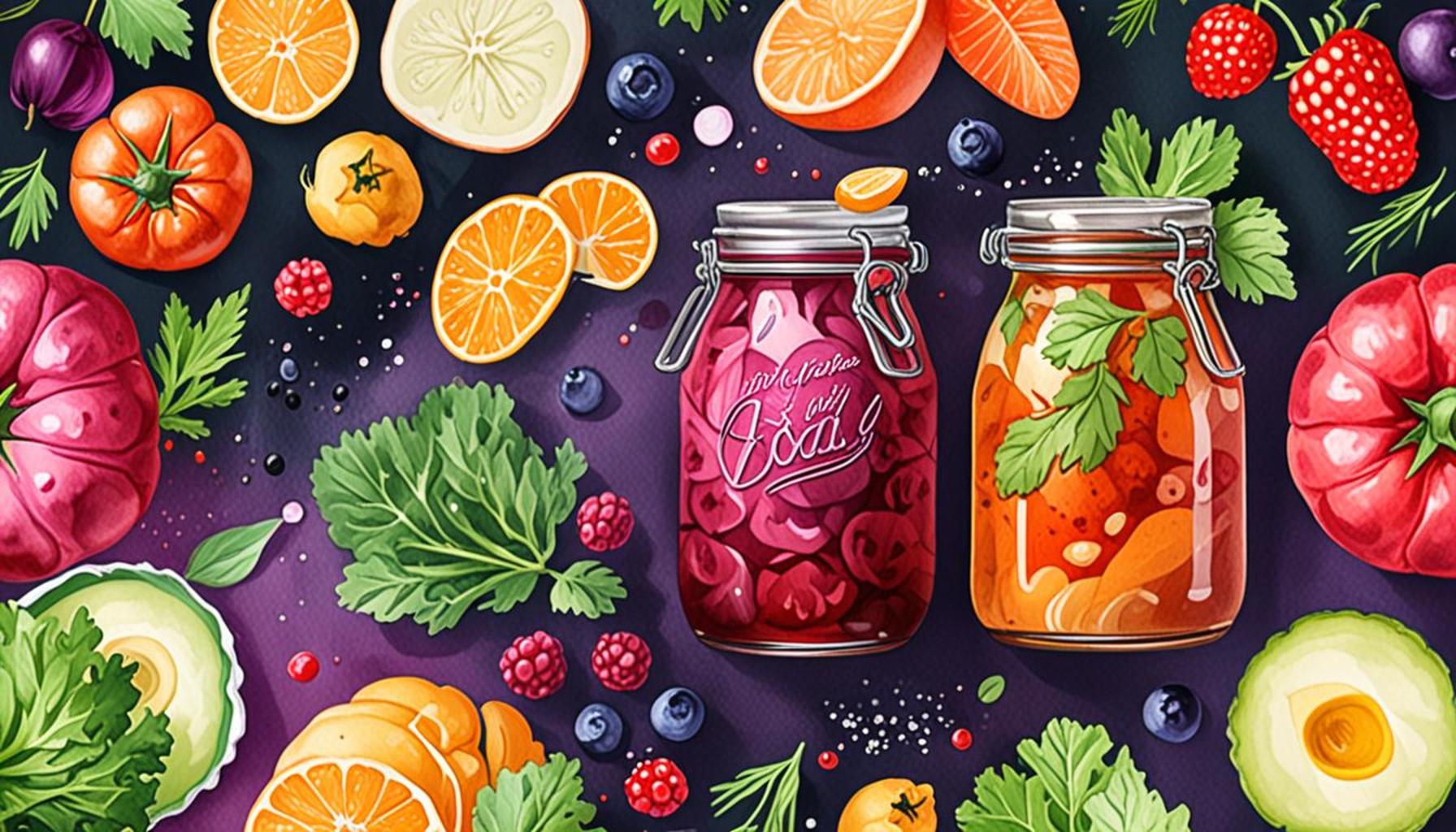
- Fermentation: A timeless technique used across cultures, fermentation involves the conversion of sugars into acids, gases, or alcohol via microorganisms. Foods like kimchi, yogurt, and sourdough bread not only gain depth of flavor but also introduce beneficial probiotics to our diets. The transformation of simple ingredients into complex foods through fermentation showcases the power of nature’s chemistry.
- Emulsification: This process stabilizes mixtures of liquids that typically don’t mix, such as oil and water. Classic examples include creamy salad dressings and mayonnaise. By using an emulsifier like egg yolks or mustard, home cooks can achieve a velvety texture that enhances the richness of a dish, illustrating how chemistry can refine even the simplest recipes.
Grasping these chemical concepts empowers cooks to experiment with ingredients creatively. For instance, a simple vinaigrette can be elevated to a gourmet dressing when balanced using the right emulsification technique. Similarly, knowing how to harness fermentation can transform standard bread into a sourdough loaf with a complex flavor profile that tells a story of both time and place.
As we venture deeper into the realm of culinary chemistry, it becomes clear that understanding these scientific principles not only enhances our cooking capabilities but also fosters a new appreciation for the art of gastronomy. Whether you’re sautéing vegetables or baking bread, the underlying chemistry plays a fundamental role in every bite.
Explore further how these transformative chemical techniques can reshape your approach to cooking and inspire your next culinary adventure. Delving into the science of cooking opens the door to endless possibilities in the kitchen, turning ordinary meals into extraordinary gastronomic experiences.
DIVE DEEPER: Click here to discover the therapeutic benefits of music creation</
Unlocking Flavor Through Chemical Reactions
Understanding the science behind cooking allows us to harness the power of chemical reactions that naturally enhance the flavors and aromas of our favorite dishes. When proteins, fats, and carbohydrates are introduced to heat, they do not merely cook; they undergo significant transformations that create complex flavors and appealing textures. By delving into these reactions, we can significantly elevate our culinary creations.
One key concept in this realm is denaturation, the process where proteins unfold and rearrange their structure under the influence of heat or acid. For instance, when cooking an egg, the clear egg white turns opaque as its proteins unravel, providing not just a visual transformation but an alteration in texture that makes it tender and scrumptious. Understanding denaturation allows chefs to control the doneness of proteins, leading to perfectly cooked meats or custards.
Another critical transformation is caramelization, whereby sugars break down and develop a rich, complex flavor profile when subjected to heat. This is why caramel sauce has such a distinct taste that adds an irresistible touch to desserts. From the subtle sweetness of roasted vegetables to the deep flavors of a well-cooked sauce, caramelization plays a prominent role in enhancing the taste of the food we prepare.
In addition to these transformations, the addition of acids can drastically alter flavor profiles. Acids like vinegar, citrus juice, and even fermented ingredients can brighten up a dish, balancing richness and enhancing overall taste. For example, a dash of lemon juice can elevate a creamy pasta sauce, cutting through the fat and providing a refreshing contrast that makes every bite more enjoyable. Understanding how and when to use acidic components can prove invaluable for home chefs looking to refine their dishes.
Furthermore, the role of herbs and spices cannot be overstated in the chemistry of flavor. These ingredients engage with our taste buds in unique ways and can greatly impact how we perceive a dish. The oils that release when herbs are cooked contribute not only aroma but also a depth of flavor that can transform an ordinary meal into something memorable. For instance, toasting spices like cumin or coriander can amplify their flavor and aroma, unlocking their full potential.
To truly harness the potential of these chemical processes, home cooks should embrace experimentation. Here are a few techniques worth trying:
- Experimenting with different cooking times and temperatures to explore how they affect protein denaturation.
- Incorporating acids at various stages of cooking to see how they affect flavor balance.
- Using caramelization techniques to enhance the sweetness of vegetables or to create rich sauces.
- Exploring the use of various herbs and spices, both fresh and dried, to elevate dishes in unexpected ways.
By leveraging these chemical reactions, cooks can refine their technique and refine their palates. Each interaction among ingredients creates an opportunity for creativity, moving beyond mere sustenance to create culinary delights that are not only delicious but also deeply transformative.
| Category | Description |
|---|---|
| Maillard Reaction | Enhances flavor and color in cooked foods, developing a savory and complex taste. |
| Acid-Base Reactions | Balances flavors in dishes, brightening the taste through ingredients like vinegar or citrus. |
| Fermentation | Creates depth and uniqueness in flavors, enhancing nutritional value. |
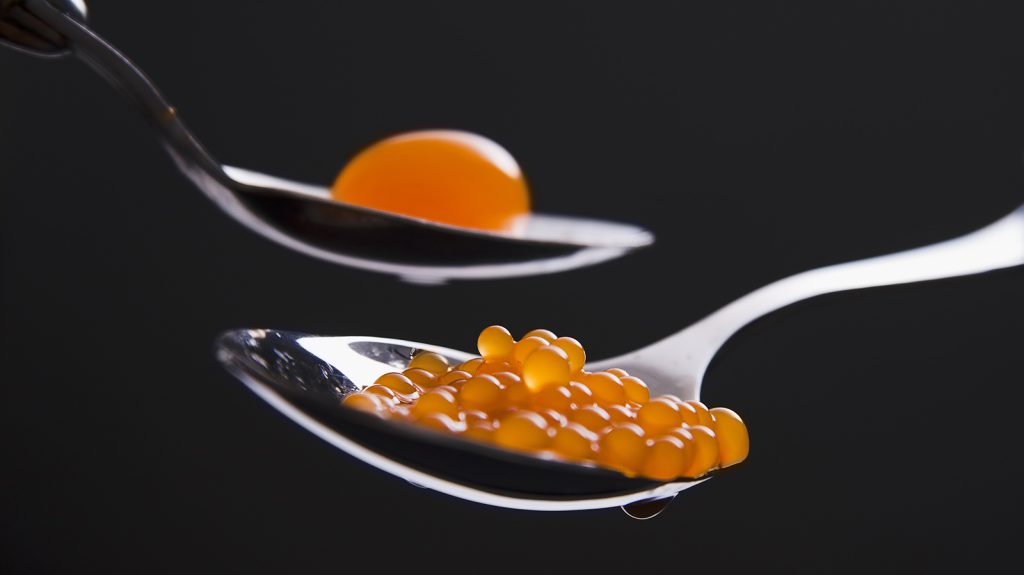
| Spherification | Innovative presentation that transforms liquid into spheres, adding a burst of flavor. |
Exploring the foundational chemical techniques behind cooking reveals how chefs manipulate flavors on a molecular level. For instance, the Maillard Reaction is pivotal for developing complex, savory tastes. This reaction occurs between amino acids and reducing sugars when food is heated, resulting in the delicious brown crust on roasted meats and baked goods. Understanding this can help home cooks replicate similar depths of flavor.Moreover, acid-base reactions, commonly seen in cooking with vinegar or citrus, add refreshing brightness and balance to dishes, enhancing overall taste profiles. Similarly, fermentation introduces a new layer of complexity and variety through natural processes that enrich flavor and health benefits of foods, seen in items like yogurt and sauerkraut.Additionally, techniques such as spherification, popularized in molecular gastronomy, allow for unique food presentations that captivate diners, creating bursts of flavor in every bite. Learning about these methods transforms cooking from a mere pastime into a science-infused culinary adventure.
DISCOVER MORE: Click here to dive into home recording tips
The Role of Maillard Reaction in Flavor Development
Beyond simple techniques like denaturation and caramelization, one of the most remarkable chemical processes in cooking is known as the Maillard reaction. This complex reaction occurs between amino acids and reducing sugars when exposed to heat, resulting in the formation of hundreds of different flavor compounds. The Maillard reaction is largely responsible for the browning of meats, toasted bread, and roasted coffee, creating the savory notes that we love in these foods.
When grilled, for instance, a steak not only cooks but transforms through the Maillard reaction, taking on rich flavors and aromas that appeal to our senses. This is why a seared steak often tastes so much better compared to one simply boiled. As the temperature climbs, the reaction accelerates, showcasing the delicate balance between time and temperature to achieve that perfect golden-brown crust. Understanding the Maillard reaction can guide cooks in optimizing their cooking methods for enhanced flavor, steering clear of the charred bitterness that can arise from excessive heating.
Fermentation also plays a pivotal role in flavor transformation, serving as both a cooking technique and a chemical reaction. This ancient process, utilized for centuries in making everything from yogurt to sauerkraut, involves the breakdown of sugars by bacteria and yeast. As fermentation progresses, unique flavor compounds emerge, creating complex and tangy notes that enhance a wide spectrum of dishes. For example, the fermentation of cabbage to produce kimchi adds depth and umami qualities that complement a dish, making it a sought-after addition in many culinary traditions, particularly in Asian cuisines.
A tempting aspect of cooking is the ability to incorporate umami, often referred to as the fifth taste alongside sweet, salty, sour, and bitter. It is primarily derived from glutamate, found abundantly in ingredients such as mushrooms, tomatoes, and aged cheeses. The development of umami is enhanced through various cooking methods. For instance, roasting or slow-cooking can elevate the umami flavor profile by breaking down the proteins and available glutamates, leading to richer and more satisfying dishes. Home cooks can intentionally add ingredients high in umami to create depth in flavor or use stock made from roasted bones and vegetables to deepen sauces and soups.
Another fascinating aspect of the science behind cooking is the effects of temperature control on flavor enhancement. Sous-vide cooking, for instance, allows for precise temperature control, leading to consistent results with luxurious flavors and textures. By cooking food in a vacuum-sealed bag in a water bath at set temperatures, the ingredients retain moisture, and undergo tenderizing processes without losing their unique flavors. Understanding the principles behind heat transfer and control can help chefs harness new techniques to achieve culinary perfection.
By becoming aware of these chemical processes and how they interplay with technique, home cooks can empower themselves to dive deeper into the realm of flavor development. Experimenting with the Maillard reaction, fermentation, umami, and temperature regulation broadens the palate and encourages creative exploration in the kitchen, leading to innovative dishes that tantalize taste buds and bring joy to the dining experience.
EXPLORE MORE: Click here for insights on writing adventure diaries
Conclusion: Embracing the Chemistry of Culinary Arts
In conclusion, understanding the science behind cooking opens up a whole new world for both amateur chefs and culinary enthusiasts. The exploration of chemical techniques like the Maillard reaction, fermentation, and temperature control not only enhances flavor but also enriches our appreciation for the art of cooking. The interplay between heat, time, and ingredients transforms simple components into complex dishes that stimulate our taste buds and nourish our bodies.
As we’ve seen, the Maillard reaction showcases how chemistry can elevate the deliciousness of everyday foods, while fermentation adds depth and nuance through the development of unique flavor compounds. Additionally, the umami profile, often overlooked, plays a vital role in the culinary landscape, helping to design intricate flavor layers. Techniques like sous-vide present exciting opportunities for precise temperature control, enabling chefs to recreate restaurant-quality dishes in their own kitchens.
By delving deeper into these scientific principles, cooks can build a stronger connection with their food and foster an environment of creativity and experimentation. Whether you aim to perfect your steak or create a delightful fermented condiment, embracing the chemistry of cooking empowers you with knowledge to unlock new flavors and reinvent traditional recipes. As the culinary landscape continues to evolve, let curiosity and the love for flavor guide your journey in the kitchen, ultimately transforming not just meals, but the overall dining experience.