The Magic of Herbs and Spices: How to Transform Your Dishes with Unique Aromas and Flavors
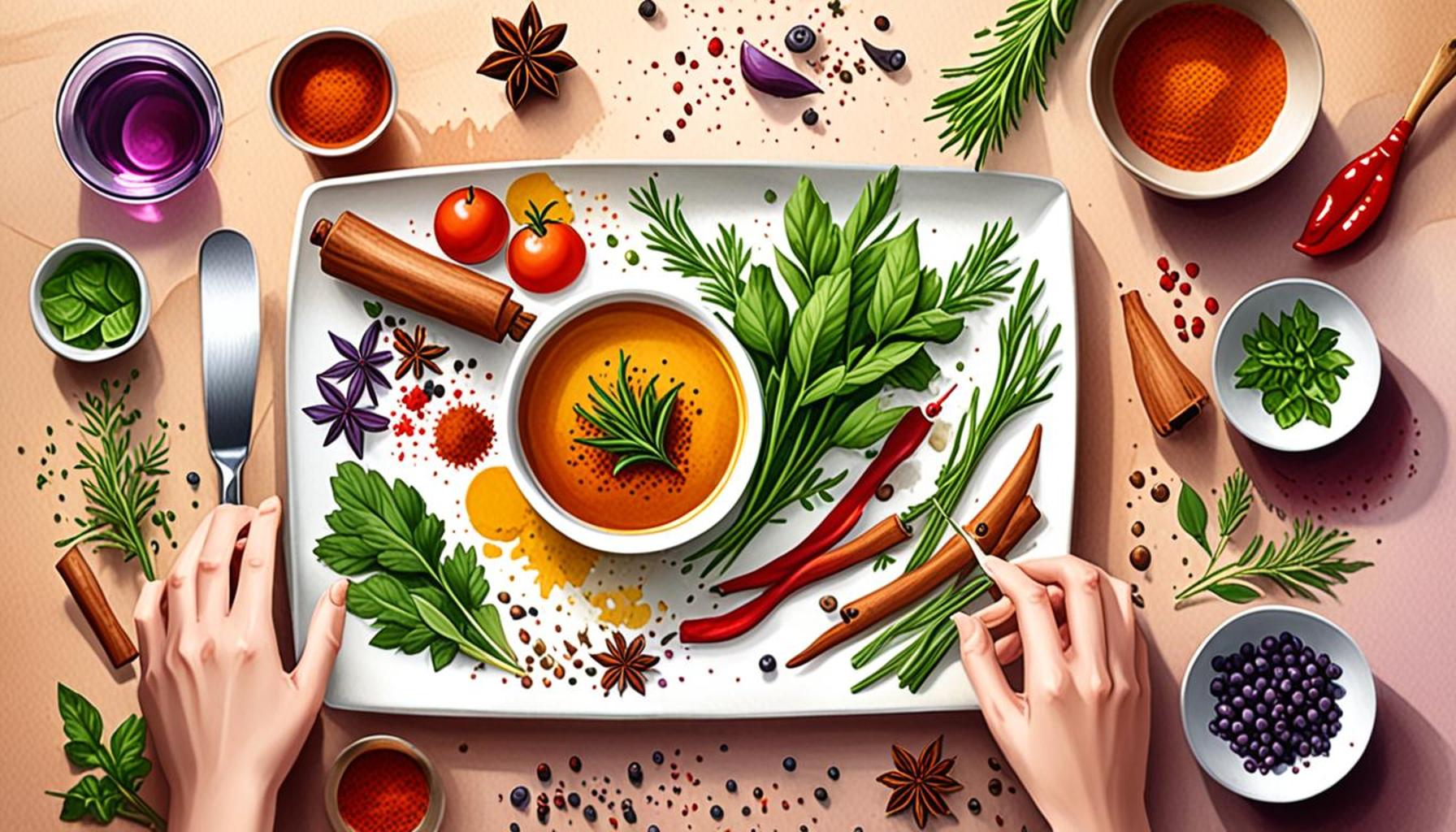
Exploring the Wonders of Culinary Aromatics
The fascinating world of culinary herbs and spices is vibrant, imbued with not just colors and fragrances, but also with history, culture, and health benefits. These aromatic ingredients have been carefully cultivated and cherished over the ages, enhancing not only the taste of food but also triggering vivid memories and emotions. Whether simmering in a pot or sprinkled atop a finished dish, fresh herbs and robust spices promise to elevate any meal into a memorable experience.
One primary function of herbs and spices in cooking is their flavor enhancement. They serve as the backbone of many dishes and can completely transform a recipe. For instance, the addition of fresh thyme or rosemary can impart warmth and earthiness to roasted vegetables, while a drizzle of garlic-infused oil can elevate a simple bruschetta to gourmet perfection. Imagine the difference between a plain cooked chicken breast and one marinated with a blend of paprika, cayenne, and garlic—suddenly, the dish resonates with a complex and delightful flavor profile that draws diners in.
Moreover, these ingredients possess aromatic qualities that can evoke nostalgia and emotional responses. For many, the smell of cinnamon might remind them of festive holiday gatherings, while the scent of fresh basil can transport them to a sunny Italian marketplace. This ability to stir memories is a powerful aspect of cooking; it links food with personal experiences, inviting people to savor not only the taste but the story behind the dish.
In addition to flavor and aroma, numerous herbs and spices offer nutritional benefits. Many are rich in antioxidants and have anti-inflammatory properties. For example, turmeric, revered in Indian cuisine, boasts curcumin, which has been shown to provide health benefits. Similarly, garlic exhibits antibacterial properties, making it a popular choice not just for flavor but for its health benefits as well. Incorporating a variety of herbs and spices can contribute to a balanced diet, making meals uplifting in more ways than one.
Incorporating these aromatic wonders into the kitchen is easier than one might think. Start by experimenting with common herbs like parsley and cilantro in salads, or introduce spices such as chili powder and cumin into your next chili recipe for added depth. The distinction between average and extraordinary cooking often lies in these small yet impactful additions. Consider how a sprinkle of crushed red pepper flakes can ignite a simple olive oil and pasta dish into something sensational.
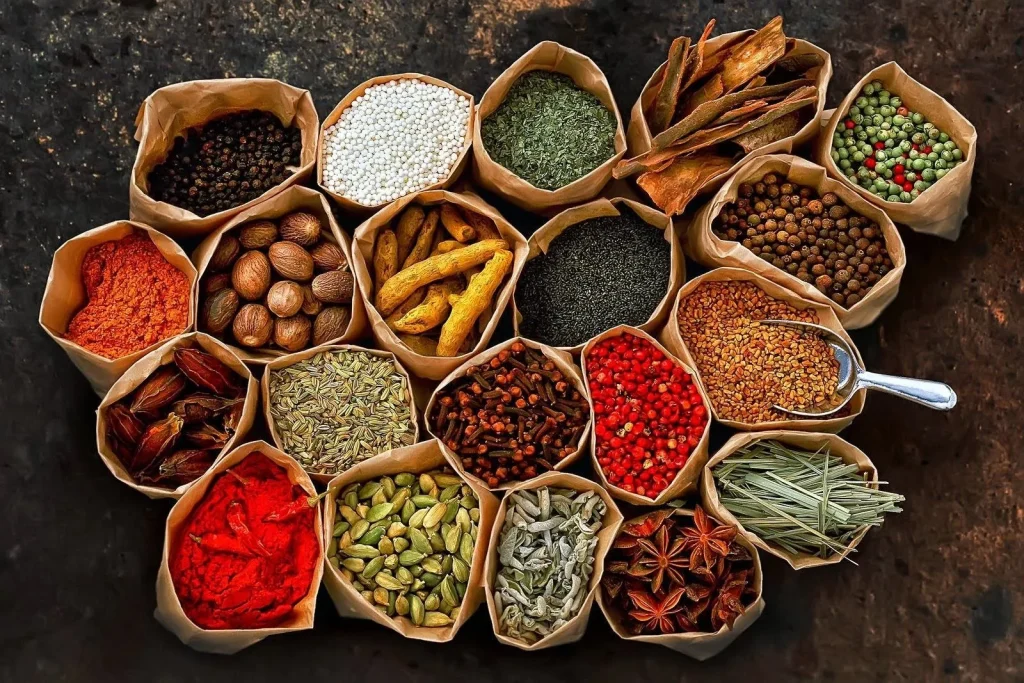
As you journey further into the world of herbs and spices, remember that they are not just ingredients; they are gateways to creativity and flavor. Embrace the exploration of bold combinations and discover how readily available options can enhance your meals, creating culinary magic that captivates the senses. Dive into the kitchen, and prepare to unveil a realm of flavors that will leave a lasting impression on each plate!
DIVE DEEPER: Click here to unlock your imagination
The Transformative Power of Popular Herbs and Spices
When it comes to flavoring dishes, not all herbs and spices are created equal. Some stand out due to their unique properties, while others are celebrated for their versatility in various cuisines. By understanding the distinct characteristics of common herbs and spices, cooks can make informed choices that elevate their culinary creations.
Basil, for instance, is a staple in Italian cooking. Its sweet, slightly peppery flavor can freshen up everything from pasta sauces to pesto. But its use isn’t confined to Mediterranean dishes; consider adding basil to your fruit salads for an unexpected twist that melds freshness with sweetness. Conversely, the warmth of cumin adds depth to dishes with its earthy, nutty flavor. Frequently found in Indian and Middle Eastern recipes, cumin shines in everything from curries to spice blends like garam masala.
Perhaps you’ve encountered oregano, which is often associated with pizza and Italian-American cuisine. What many may not know is that this herb can also enhance the flavors of grilled meats and vegetables, lending them a smoky, herbaceous quality that is simply irresistible. Similarly, herbs like rosemary and thyme are essential in Mediterranean cooking, providing a robust flavor profile that is perfect for roasted dishes. Both herbs have an intense aromatic presence and can elevate year-round favorites like roasted potatoes or hearty stews.
To help you become better acquainted with the aromatic wonders available, here’s a brief overview of popular herbs and spices along with their culinary applications:
- Cilantro: Frequently used in Mexican and Asian cuisines, adds brightness to salsas, salads, and curries.
- Paprika: This spice can vary from sweet to hot, ideal for stews, soups, and to add color to dishes.
- Cardamom: A staple in both sweet and savory dishes, perfect for spice blends, desserts, and even chai tea.
- Ginger: A versatile root used in both sweet and savory dishes, it adds warmth and a slight spiciness to marinades and desserts alike.
The fascinating world of herbs and spices invites culinary enthusiasts to delve deeper into flavor profiles and aromatic combinations. While it may seem intimidating at first, exploring these ingredients can be a pleasurable experience. Consider creating your own spice blends based on regional cuisine or experimenting with herbs that may not typically be found in your pantry. The possibilities are as numerous as the flavors they impart, allowing you to reinterpret traditional recipes or invent entirely new dishes that reflect your personality and taste.
As you embark on this flavorful journey, remember that the magic of herbs and spices lies not only in their ability to enhance taste but also in the creativity they inspire in the kitchen. By using these elements thoughtfully, you can create memorable meals that resonate with unique aromas and complex flavors, inviting friends and family to share in the culinary adventure you’ve crafted.
| Category | Key Features |
|---|---|
| Herbs | Enhance dishes with fresh and vibrant tastes; add nutritional benefits; versatile for various cuisines. |
| Spices | Provide intense flavors; can act as natural preservatives; enrich culinary experiences with aromatic profiles. |
| Infused Oils | Combines the essence of herbs/spices with oil; ideal for salad dressings or drizzling on dishes; adds a gourmet touch. |
The world of herbs and spices is a vibrant tapestry that countless chefs, home cooks, and food enthusiasts have woven into their culinary practices. By incorporating the right herbs, such as fresh basil or cilantro, dishes can explode with notes of freshness that make a meal unforgettable. Not only do these ingredients add flavor, but they can also introduce nutritional benefits. For instance, oregano is known for its antioxidant properties, while rosemary may assist in digestion.Moreover, spices like cinnamon or cumin can fundamentally change the flavor profile of a dish, turning an ordinary meal into an extraordinary experience. These powerful agents have been celebrated for their ability to stimulate the palate, creating a unique balance that entices the senses.Exploring infused oils can also be an enticing way to integrate herbs and spices into your cooking. A dollop of garlic-infused olive oil or a sprinkle of chili oil can instantly transform your favorite dishes, making them sophisticated and restaurant-quality. Thus, reimagining both flavor and aroma opens up new culinary horizons. By experimenting with various combinations and techniques, the journey to culinary mastery becomes an exciting adventure awaiting discovery.
EXPLORE MORE: Click here to discover innovative braiding techniques
Uncovering the Secrets of Regional Herb and Spice Uses
Exploring the vibrant world of herbs and spices opens doors to fascinating culinary traditions that span cultures and continents. The use of herbs and spices is often deeply embedded in the history and heritage of a region, reflecting local resources, climate, and agricultural practices. By delving into specific regional applications, home cooks can not only enhance their dishes but also gain insight into global culinary arts.
Take, for example, the hyssop prevalent in Mediterranean cuisine. This herb adds a fresh, minty flavor and is frequently used in traditional dishes like lamb and bean stews. Its aromatic properties make it a powerful ingredient for enhancing robust flavors while simultaneously providing a fragrant counterbalance. Moreover, in Middle Eastern kitchens, sumac is often sprinkled over salads and meats to impart a tangy, lemony flavor that complements the richness of grilled dishes. The use of sumac exemplifies how native herbs can elevate a dish’s profile by introducing a sour element that brings balance.
Turning to Southeast Asian cuisine, one cannot overlook the importance of lemongrass and kaffir lime leaves. These ingredients are essential in creating the aromatic bases for dishes like Tom Yum soup and Thai curries. Their zesty brightness adds an invigorating note that perfectly marries with the spicy and savory aspects of the food. Incorporating these unique components into American dishes can forge exciting flavor fusions; imagine a zesty lemongrass marinade for grilled chicken or fish that yields an exotic twist on a summer barbecue classic.
The importance of herbs and spices is also prominent in Southern American cooking. Cayenne pepper and black pepper are commonly used to add heat to everything from gumbo to fried chicken. The South’s love for spicy flavors showcases the transformative power of heat in food, encouraging chefs to push boundaries and experiment with flavor profiles. Complementing these spices with sage, a hallmark herb in Southern dishes, can create a savory depth that enriches hearty meals like stuffing, sausage, or roasted vegetables.
Additionally, the fusion cuisine trend has made waves in American cities, with chefs seamlessly marrying traditional ingredients with unexpected flavors. Consider the combination of cilantro and wasabi in gourmet tacos or using basil in unexpected desserts like ice creams and sorbets. These creative pairings not only demonstrate the versatility of herbs and spices but also serve as a reminder that the culinary world is ever-evolving.
For those seeking innovation in the kitchen, creating homemade infused oils and vinegars can be a delightful way to explore herb and spice flavors. Infusing olive oil with garlic and rosemary or creating a tangy dill vinegar to dress salads allows a cook to impart mild flavors across a range of dishes, while also introducing an artisanal touch to everyday meals.
As you explore the culinary possibilities presented by herbs and spices, remember the invaluable role they play in enhancing both the taste and the overall experience of your meals. With creativity and an adventurous spirit, the world of herbs and spices can open up a treasure trove of flavors that promise to transform how you enjoy food.
DISCOVER MORE: Click here for some creative fabric craft projects
Embracing the Flavors of Herbs and Spices
In conclusion, herbs and spices are not just mere ingredients; they are the soul of our culinary experiences, transforming ordinary dishes into extraordinary culinary masterpieces. The journey through diverse regional applications highlights the rich tapestry of flavors that have been crafted through generations, each telling its own unique story. Whether you are reaching for the vibrant cilantro for a zesty salsa or the warming notes of cinnamon in your dessert, it becomes clear that these ingredients are the key to elevating meals to new heights.
Moreover, as the culinary landscape continues to evolve with the fusion of cultures, home cooks have the opportunity to experiment with new flavor combinations and techniques. The incorporation of globally inspired ingredients, such as turmeric in American comfort foods or tamarind in barbeque sauces, showcases the adaptability of herbs and spices. They invite creativity in the kitchen and promote an adventurous spirit, allowing you to discover new profiles that excite your palate.
Ultimately, by embracing the magic of herbs and spices, you enrich not only the flavors of your dishes but also the experiences shared around the table. As you embark on your culinary explorations, remember that every pinch, sprinkle, or infusion has the potential to create memorable meals full of life and aroma. So gather your spices, explore diverse recipes, and savor the journey of flavor that awaits you.