Sustainable Cuisine: Creating Delicious Dishes with Local and Seasonal Ingredients
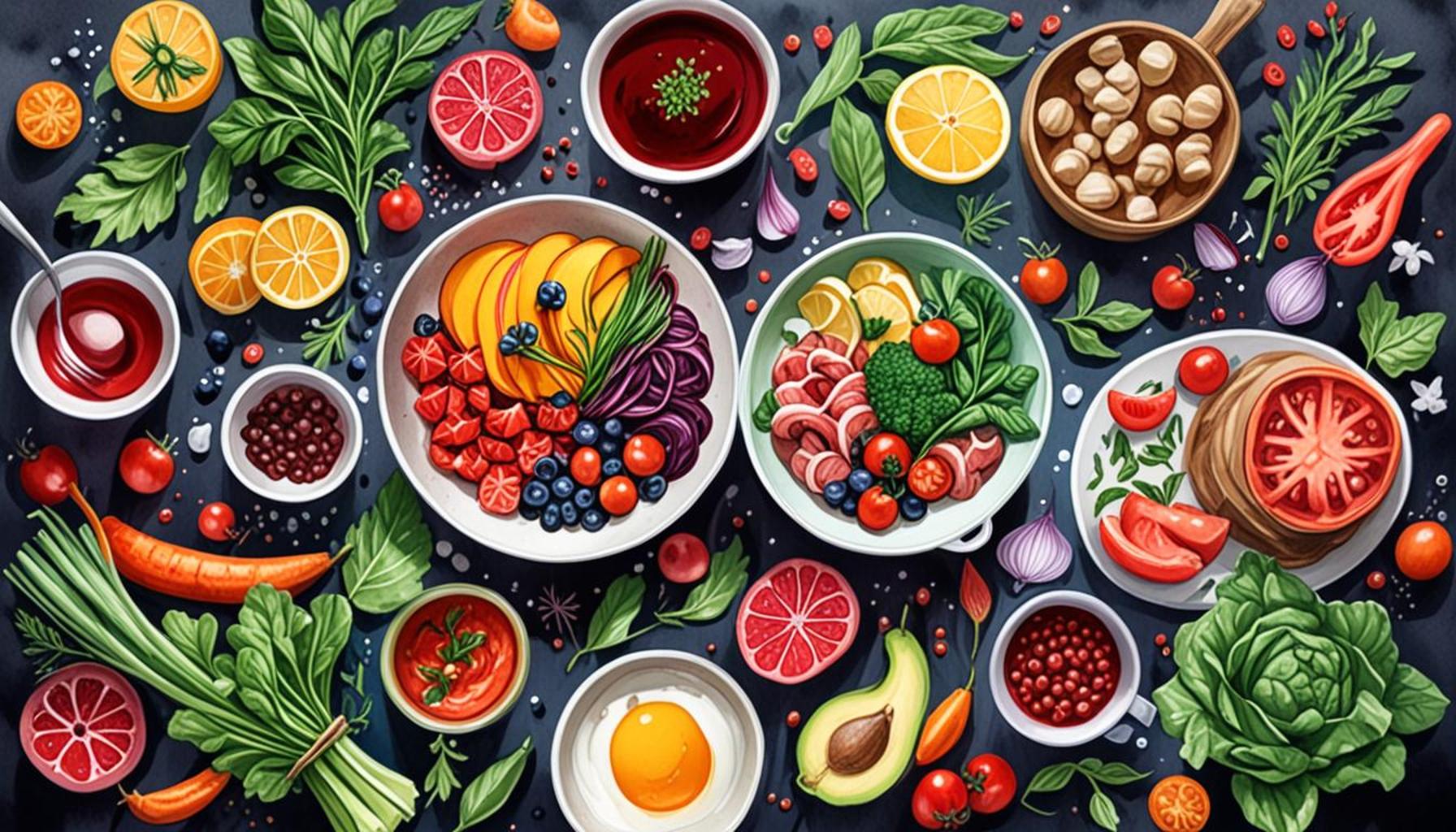
The Local Flavor Revolution: A Culinary Journey
In recent years, the movement towards sustainable cuisine has gained remarkable momentum, transforming how we think about food. This shift goes beyond just trendy dining experiences; it represents a broader commitment to environmental stewardship and supporting local economies. Chefs and home cooks across the United States are increasingly embracing the rich tapestry of flavors that can spring from local and seasonal ingredients.
The implications of this movement are profound, touching upon various aspects of our food systems. For instance, the focus on local sourcing not only enhances culinary experiences but also cultivates a sense of community. When we prioritize ingredients from nearby farms, we significantly contribute to:
- Lower carbon footprints: Traditional food systems often rely on long-distance transportation, which contributes heavily to greenhouse gas emissions. By consuming locally, we can drastically reduce these emissions while enjoying fresher produce.
- Support for local farmers: Buying local generates income for farmers within our communities, thus strengthening economic ties. It ensures fair trade practices and fosters relationships between producers and consumers.
- Seasonal variety: Eating seasonally allows us to experience fruits and vegetables at their peak in terms of flavor and nutrition. Utilizing ingredients that are in season not only results in tastier meals but can also introduce us to new foods that are unique to our region.
Consider the vibrant summer months when we are treated to an array of tomatoes bursting with flavor, fragrant basil, and crisp peppers. In contrast, the winter season delights us with hearty root vegetables like sweet potatoes and carrots, alongside refreshing citrus fruits that can brighten up any dish. This contrast not only provides diversity in our diets but also challenges us to innovate and adapt our cooking styles throughout the year.
As we embark on our culinary journey towards sustainability, it is crucial to explore how this approach enriches our plates and the communities we inhabit. Through farmer’s markets, community-supported agriculture (CSA) programs, and local food events, there are myriad opportunities to engage with nearby producers. Many restaurants are now showcasing collaborative efforts with local farms, allowing diners to appreciate the stories behind their meals.
This discussion aims to inspire a deeper understanding of sustainable cuisine and the joy of cooking with ingredients that carry a narrative. By integrating local flavors into our everyday meals, we can create a meaningful connection to our food sources while supporting local farmers and embracing environmental sustainability. Join us as we explore this vibrant world, discovering the infinite possibilities that local produce brings to our kitchens.
DISCOVER MORE: Click here to dive deeper into character journeys
Harvesting the Bounty: Choosing Local and Seasonal Ingredients
At the heart of sustainable cuisine is the concept of local and seasonal ingredients. These elements are not merely a culinary trend; they represent a conscious choice that can make a significant impact on our health, community, and planet. By selecting fresh produce that is grown close to home, we connect to the land and the people cultivating it, embracing flavors that tell the story of our specific region.
Seasonal ingredients vary throughout the year, presenting opportunities to reinvent our menus and experiment with a diverse array of flavors. For those curious about the rhythm of seasonal eating, here’s a snapshot of what you can typically expect in different seasons across various regions in the United States:
- Spring: As the earth warms, farmers begin harvesting tender greens like arugula and spinach, vibrant radishes, and delicate asparagus. This is the time for renewing our palettes with fresh herbs such as parsley and chives.
- Summer: The summer bounty brings juicy tomatoes, sweet corn, bell peppers, and an assortment of berries, creating a colorful tapestry of flavors and textures, perfect for salads and refreshing drinks.
- Fall: Autumn introduces heartier produce, including squash varieties, apples, and pumpkins that inspire cozy dishes. The richness of flavors during this season encourages comfort food to shine.
- Winter: While the cold season might seem limiting, root vegetables like beets, turnips, and parsnips provide a substantial foundation for warm, hearty meals. Citrus fruits also come into play, adding brightness to the winter fare.
Bringing these seasonal ingredients into our kitchen not only enhances the flavor profiles of our dishes but also encourages us to adapt our cooking techniques, whether roasting root vegetables to deepen their flavors in winter or grilling vibrant summer produce. This adaptability leads to a dynamic culinary experience that keeps our meals interesting.
Moreover, there is a growing recognition of the environmental benefits of eating seasonal and locally sourced food. According to the Environmental Protection Agency (EPA), approximately 10% of greenhouse gas emissions in the U.S. are related to food production and distribution. By choosing foods that travel a shorter distance, we can lower our individual carbon footprints while enjoying the freshest ingredients. Additionally, local farming practices often prioritize sustainable methods that protect biodiversity and enhance soil health.
This culinary journey invites us to embrace the sustainability of our food choices actively. Engaging with farm-to-table initiatives can deepen our appreciation for where our food comes from, creating a stronger bond with the community around us. As we discover local ingredients and the stories behind them, we also develop an understanding of the importance of supporting sustainable practices that benefit both ourselves and the environment.
As we delve deeper into the art of sustainable cuisine, let’s explore how we can creatively incorporate these local and seasonal treasures into our cooking, enriching our meals and the communities we cherish.
| Advantages | Impact |
|---|---|
| Environmental Sustainability | Utilizing local ingredients significantly reduces carbon footprints associated with transporting food over long distances. |
| Seasonal Variety | Eating with the seasons enhances the flavor and nutritional value of dishes, leading to a more satisfying culinary experience. |
The theme of sustainable cuisine underscores the importance of integrating local and seasonal ingredients into our meals. This practice not only promotes health but also supports local economies and communities. For instance, many farmers’ markets feature produce that is fresher and devoid of the preservatives necessary for long-distance shipping. This approach leads to meals that burst with flavor and nutrients.Moreover, sustainable cuisine encourages creativity in the kitchen. Chefs and home cooks are inspired to explore new recipes that reflect the evolving nature of seasonal ingredients. This means that meals can change with the landscape, promoting an engaging experience for diners and cooks alike.As we delve deeper into the world of sustainable cuisine, we uncover the myriad benefits it presents not just for us, but for our planet, cultivating a healthier future through informed culinary choices. By emphasizing seasonal cooking, we not only reduce waste but also contribute to biodiversity, ensuring that local ecosystems thrive. It’s time to embrace this delicious journey!
DISCOVER MORE: Click here for creative fabric projects!
Kitchen Creativity: Transforming Seasonal Ingredients into Culinary Delights
As we embrace sustainable cuisine, the next step is to explore how we can creatively transform local and seasonal ingredients into mouthwatering dishes that excite the palate. Each seasonal ingredient brings its own unique character, enabling chefs and home cooks alike to craft menus that not only nourish but also inspire.
One of the most rewarding aspects of cooking with seasonal ingredients is the ability to experiment with traditional recipes, giving them a fresh twist that celebrates local flavors. For example, a classic mediterranean ratatouille can be invigorated with heirloom tomatoes and local zucchini during the summer months, highly regarded for their superior taste and texture. Adding freshly harvested basil or oregano will enhance the dish further, delivering a true taste of the season.
In addition to traditional reimagining, fusion cuisine offers expansive possibilities in creating sustainable dishes. Consider leveraging fall produce like sweet potatoes and cranberries in a burrito bowl, infusing a touch of sweetness along with protein-rich black beans sourced from nearby farms. Topping it off with a sprinkle of locally made feta cheese and harvesting the crunch from fresh greens can create a hearty, satisfying meal that puts sustainability front and center.
Cooking with local ingredients also encourages the exploration of pickling and preserving techniques to prolong the life of seasonal vegetables. For instance, in late summer, when cucumbers are abundant, creating dill pickles can be a fantastic way to enjoy their fresh crunch long after the harvest season ends. Additionally, homemade jams using farm-fresh berries can serve as versatile spreads for breakfast or as cake fillings, elevating the everyday dining experience while minimizing food waste.
As we delve into sustainable cuisine, it is essential to recognize the importance of proper sourcing and ethical decision-making. Engaging with local farmers or visiting farmers’ markets can provide insights into where and how the food is grown. Educating ourselves about organic farming practices or sustainable agriculture can deepen our understanding of the connection between our food systems and the environment. Numerous studies, including reports from the United States Department of Agriculture (USDA), illustrate the significant benefits of choosing organic produce, such as reduced pesticide exposure and improved soil biodiversity, making this quest for local ingredients even more meaningful.
Furthermore, innovative chefs across the country have begun hosting “foraging dinners,” where they incorporate foraged ingredients alongside seasonal produce into their dishes. This trend prompts diners to rethink their relationship with food by introducing them to the concept of wild edibles, a practice that not only supports local ecosystems but also offers an adventurous twist to traditional dining experiences.
Embracing sustainable cuisine through local and seasonal ingredients truly empowers individuals to explore the vast culinary landscape of fresh produce available right in their own backyards. As we uncover these possibilities for creativity and sustainability in our kitchens, we also foster a sense of community—a shared experience that honors the land, the growers, and the foods we love.
DISCOVER MORE: Click here for creative fabric projects
Conclusion: Embracing the Future of Food Through Sustainable Practices
In conclusion, the journey towards sustainable cuisine highlights the remarkable potential of local and seasonal ingredients to not only enhance our culinary creations but also to nurture the environment and promote healthier eating habits. As we have explored, cooking with what is available at the peak of its freshness not only elevates the flavors of our dishes but also supports regional farmers, reduces our carbon footprint, and champions biodiversity.
By integrating seasonal produce into our meals, we cultivate a deeper connection to our surroundings and the agricultural practices that sustain us. Home cooks and professional chefs alike are given the opportunity to push creative boundaries, transforming traditional recipes or embracing new culinary techniques that celebrate the rich tapestry of flavors available throughout the year. From cozy autumn harvest meals featuring local squash to vibrant summer salads bursting with fresh greens and tomatoes, the possibilities are endless and ever-evolving.
Moreover, as we engage with our communities by supporting local markets or sharing our homemade preserves, we foster a sense of belonging, connectedness, and appreciation for the earth’s bounty. In the face of larger environmental challenges, this movement towards sustainable dining stands as a testament to our power as consumers and citizens. By choosing to prioritize local and seasonal ingredients, we not only honor the hardworking farmers in our regions but also pave the way for a more sustainable food system.
Adopting sustainable practices in our kitchens invites us to reimagine our relationship with food. We are called to celebrate the heritage, nourishment, and abundance that surrounds us. As we continue to explore and innovate within the realm of sustainable cuisine, we hold the keys to a more resilient future, one delicious dish at a time.