The Influence of Technology on Cooking: How Apps and Gadgets Are Transforming the Kitchen
The Role of Technology in Modern Cooking
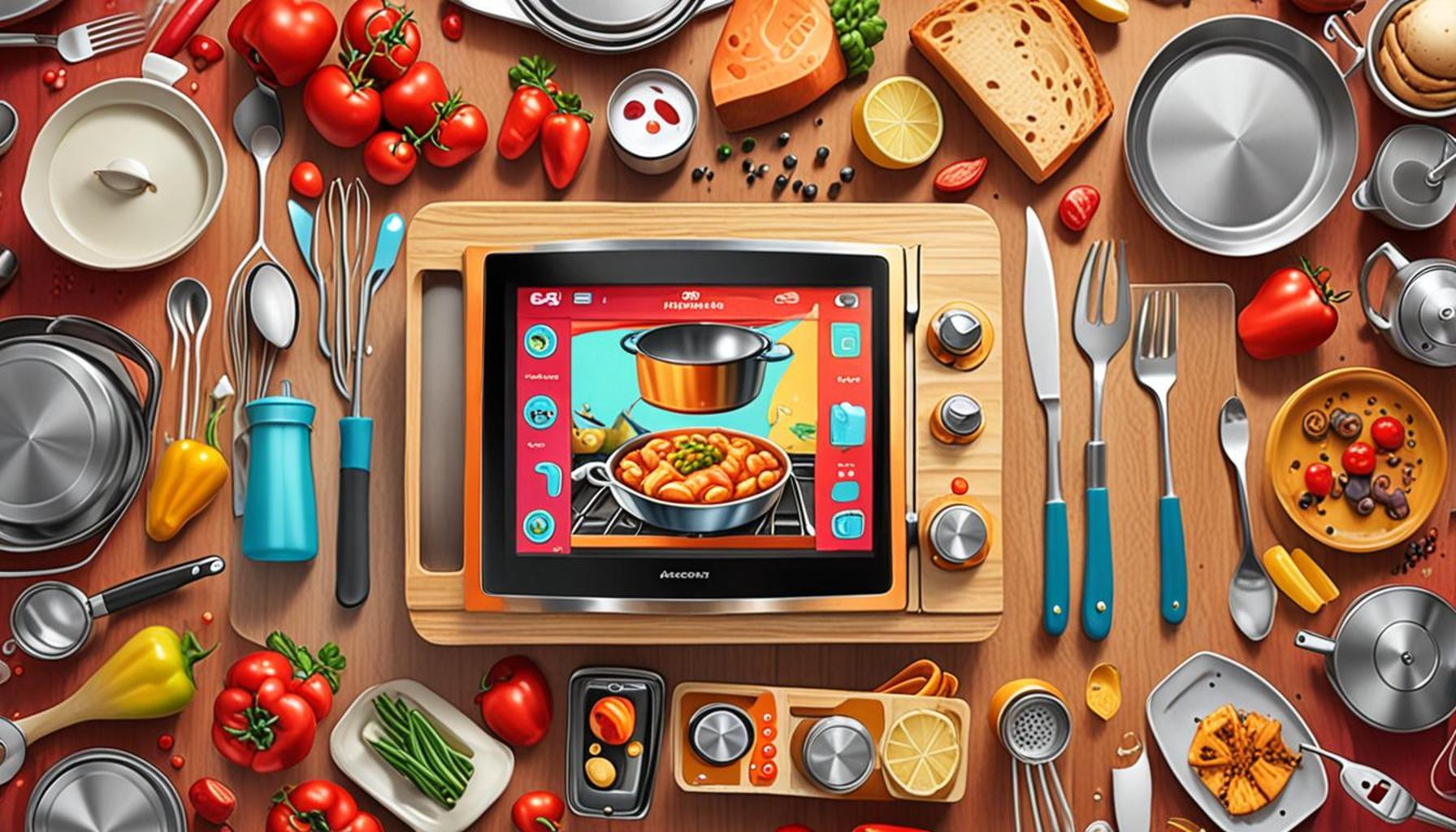
In recent years, the kitchen has transformed from a simple cooking space into a high-tech hub for culinary creativity, largely due to rapid advancements in technology. With the introduction of innovative gadgets and mobile applications, home cooking is becoming not only easier but also more engaging and personalized. This seismic shift in how we approach meal preparation is creating an exciting culinary landscape that reflects modern lifestyles.
Consider these transformative elements that are reshaping the culinary experience:
- Smart Appliances: Today’s kitchens are increasingly outfitted with smart ovens and refrigerators that connect to the internet. These devices can be managed remotely, allowing users to preheat an oven from work or to receive notifications when groceries are running low. For instance, a smart refrigerator can compile a shopping list by scanning barcodes and suggesting recipes based on the ingredients inside.
- Cooking Apps: Applications like Yummly and Tasty revolutionize home cooking by providing users with tailored recipes and interactive cooking experiences. These apps often feature video tutorials that demonstrate step-by-step instructions, making culinary skills more accessible. Users can filter recipes based on dietary restrictions, cuisine type, and even preparation time, catering to a diverse range of tastes and preferences.
- Social Cooking Platforms: The rise of platforms such as Instagram and Pinterest has turned home cooking into a community-driven activity. Users can share their culinary creations, discover new cooking techniques, and engage with a global community of food enthusiasts. For example, the hashtag #foodblogger on Instagram showcases countless innovative dishes, inspiring others to try their hand at new recipes.
The integration of technology in the kitchen has redefined meal preparation, making it not just easier but also more engaging. Recipe platforms and cooking apps can offer interactive tools that teach users about flavor combinations, cooking times, and presentation techniques. The ability to learn from culinary professionals through online classes adds another layer of accessibility to home cooking.
Moreover, technological innovations are making kitchens smarter than ever:
- Voice Activation: With the rise of virtual assistants like Amazon’s Alexa or Google Assistant, cooking has become a hands-free experience. These digital helpers can set timers, convert measurements, and locate recipes with simple voice commands, allowing chefs to stay focused on the task at hand without fumbling for their devices.
- Recipe Customization: Apps that cater to individual dietary needs enable users to adjust serving sizes, substitute ingredients, and even adapt recipes for gluten-free or vegan diets. This personalization encourages experimentation and supports a wider variety of eating habits.
As we explore the impact of technology on cooking, it becomes evident that these advancements are not only streamlining the cooking process but are also enhancing creativity and promoting healthier eating habits. The availability of information, combined with interactive tools, invites both novice and seasoned cooks to explore new horizons in the culinary arts. In a world where technology continues to advance, embracing these innovations may well lead to a more vibrant and enjoyable cooking experience in your own kitchen.

DIVE DEEPER: Click here to embark on a journey of imagination
The Technological Shift in Cooking Methods
As technology continues to advance, its influence on cooking methods is becoming increasingly evident. Gone are the days of labor-intensive meal preparation and guesswork in the kitchen. Now, culinary tasks are streamlined, empowering home cooks to easily master complex recipes and techniques. The proliferation of smart cooking gadgets and innovative applications is revolutionizing how ingredients are transformed into meals.
One of the standout features of this culinary tech revolution is the emergence of smart cookers. These devices, which include smart slow cookers and pressure cookers, allow users to set cooking times and temperatures remotely. For example, a smart slow cooker can be programmed to prepare a dish while individuals are at work, enabling a piping hot meal to be ready upon arrival home. Such efficiency is particularly appealing to busy families seeking to balance their nutritional needs with hectic schedules.
The integration of smart thermometers is equally significant. No longer do home cooks have to rely solely on timed cooking; instead, they can monitor the internal temperature of meats and other dishes via an app on their smartphones. This ensures that each meal is cooked to perfection—boosting both flavor and food safety. In 2021, a survey by the International Home + Housewares Show reported that 56% of consumers have adopted smart kitchen tools, showcasing the growing dependency on these technologies.
- Meal Prep: Applications like Mealime and Prep Dish streamline the meal planning process by developing grocery lists based on chosen recipes. This not only enhances efficiency but also reduces food waste.
- Ingredient Delivery: Services like Instacart and Amazon Fresh have simplified grocery shopping. Users can order ingredients directly through cooking apps, bridging the gap between recipe preparation and ingredient acquisition.
- Nutrition Tracking: Apps like MyFitnessPal allow users to track their nutritional intake, making it easier to adhere to dietary goals while experimenting with new recipes.
The access to real-time information about cooking techniques is another cornerstone of this technological evolution. For instance, platforms such as YouTube offer countless cooking videos, where professional chefs and home cooks alike share insights into everything, from basic knife skills to intricate gourmet plating. This democratization of culinary knowledge encourages a culture of experimentation, empowering individuals to venture beyond their usual cooking confines.
In addition, the rise of interactive cooking experiences cannot be overlooked. Virtual cooking classes have seen exponential growth, especially post-pandemic. Chefs and food enthusiasts conduct remote cooking sessions via platforms like Zoom, creating an engaging environment where participants can learn, ask questions, and share their successes in real-time. This aspect of technology fosters community involvement and connection over a shared love of culinary arts.
As technology continues to meld with cooking methods, the potential for innovation seems limitless. From smart kitchen appliances to cooking apps that cater to personalized tastes, the culinary landscape is evolving in ways that were once unimaginable. This transformation is reshaping our culinary experiences and inviting individuals to explore new possibilities in meal preparation, ensuring that cooking remains a joyful and fulfilling aspect of everyday life.
The Technological Revolution in Kitchen Appliances
The kitchen has transformed dramatically due to the integration of modern technology. Today’s kitchen gadgets are designed not just for functionality but also for enhanced user experience. Many devices now feature smart technology, which can connect to your smartphone and allow for easier monitoring and control. For instance, smart ovens can be pre-programmed to cook meals at specific times, freeing up valuable time for home cooks and ensuring that dinner is ready right when it’s needed.Additionally, food processors and blenders have seen significant advancements in power and efficiency, enabling home chefs to whip up gourmet meals with minimal effort. High-tech cooking appliances often include multiple functionalities, meaning they serve as food processors, choppers, and even juicers, which saves both space and time in the kitchen.
Apps Revolutionizing Cooking
Aside from gadgets, mobile applications have reshaped how people approach cooking. Recipe apps can curate meal plans based on dietary preferences, skill levels, and available ingredients. They not only provide detailed instructions but also incorporate video tutorials that guide users step by step. The convenience of receiving real-time assistance while cooking empowers many individuals to step out of their culinary comfort zones.Moreover, grocery shopping has been simplified thanks to tech innovations. Apps can organize shopping lists based on the recipes chosen, and some even allow users to place orders directly with local grocery stores or delivery services. This seamless coordination between cooking and shopping eliminates the often tedious task of planning meals and reduces food waste by ensuring ingredients are used effectively.
Enhanced Connectivity
The emergence of Internet of Things (IoT) devices in the kitchen is another transformative aspect of this technological evolution. Refrigerators now come equipped with touchscreens that can suggest recipes based on the items inside, acting as a personal kitchen assistant. Such connectivity elevates the cooking experience by integrating preparation and storage in one comprehensive system.Timers, temperature monitors, and precision scales connected to apps facilitate greater accuracy in cooking, helping even novice cooks to replicate surprising results consistently. As these technologies develop, the culinary world is becoming more accessible to everyone, encouraging cooking at home rather than relying heavily on takeout.
| Category | Advantages |
|---|---|
| Smart Gadgets | Efficiency – Cook smarter with precise controls and integrated technology. |
| Recipe Apps | Convenience – Receive personalized meal planning and step-by-step assistance right on your device. |
DISCOVER MORE: Click here for creative paper craft ideas
Transforming Culinary Creativity and Accessibility
The integration of technology in cooking not only enhances methods but also significantly expands culinary creativity and accessibility. With a myriad of resources at their fingertips, home cooks are now able to experiment with flavors and techniques that were once the domain of professional chefs. One technological champion in this evolution is the recipe app, which provides users with easy access to thousands of meal ideas, complete with step-by-step instructions, nutrition information, and even user reviews. Popular apps like Yummly and Tasty allow users to filter recipes based on dietary preferences, ingredients on hand, or specific cooking times, thereby removing barriers to culinary exploration.
Moreover, technology caters to a wide array of dietary needs. For instance, a surge in the popularity of gluten-free, vegan, and keto diets has prompted many recipe platforms to offer dedicated sections tailored to specific dietary requirements. This level of accessibility empowers individuals to embrace new diets without feeling overwhelmed, while also inspiring creativity in how traditional dishes can be modified to fit contemporary nutritional philosophies.
The rise of food bloggers and influencers on social media platforms such as Instagram and TikTok has further fueled a fascination with cooking. These platforms allow for the sharing of unique recipes and cooking tips in an engaging format. Video snippets showcasing quick recipes or cooking hacks have the potential to inspire millions worldwide, making culinary diversity more accessible than ever. According to a 2022 study by the Pew Research Center, 26% of U.S. adults said they look to social media for cooking inspiration, leading to a newfound appreciation for international cuisines and innovative cooking techniques.
In addition to recipe apps and social media, cookbook subscriptions and meal kit services have also transformed the kitchen landscape. Services like Blue Apron, HelloFresh, and Sun Basket provide customers with a curated experience that combines convenience with culinary education. Subscribers receive pre-measured ingredients along with detailed cooking instructions, allowing even novice cooks to prepare gourmet dishes at home. This model not only encourages individuals to try cooking but also reduces food waste by providing exactly what is needed for each meal.
Furthermore, technology has also emphasized personalization in cooking experiences. Many apps allow users to save their favorite recipes, create personalized meal plans, and even adjust serving sizes according to family needs. By leveraging artificial intelligence and machine learning, these apps can analyze previous cooking behaviors to recommend tailored recipes or suggest modifications to existing favorites based on dietary restrictions or ingredient availability.
Finally, the impact of sustainable cooking practices cannot be understated. Many apps focus on utilizing leftover ingredients and minimizing food waste, promoting a more responsible approach to meal preparation. For example, apps like OLIO aid in connecting individuals with surplus food and ingredients to those who can use them, thus fostering a sense of community while also combating food waste. This burgeoning awareness of sustainability in cooking practices is essential as consumers become increasingly conscientious about their food choices and environmental impact.
As these technological advancements continue to shape our kitchens, the culinary world is becoming increasingly dynamic, encouraging collaboration, experimentation, and the rich exchange of ideas. Through smart tools, innovative apps, and digital platforms, cooking no longer remains a solitary task; it has evolved into a vibrant community experience that nourishes both body and mind.
DISCOVER MORE: Click here for vintage upcycling inspiration
Conclusion: Embracing the Technological Culinary Revolution
In conclusion, the influence of technology on cooking is undeniably transformative, reshaping how we approach culinary practices in today’s fast-paced society. From recipe apps that democratize access to a diverse array of meal ideas to smart kitchen gadgets that enhance efficiency, innovations play a crucial role in expanding our culinary horizons. The accessibility afforded by these technologies enables home cooks of all skill levels to experiment, learn, and grow in their culinary journeys, bridging the gap between novice cooks and seasoned chefs.
Furthermore, the shifting landscape of dietary requirements encourages creativity and inclusivity in meal preparation, supporting the evolving demands of health-conscious consumers. The rise of food influencers and engaging social media platforms not only democratizes cooking knowledge but also fosters a sense of community among food enthusiasts, creating shared experiences around the love of food.
Moreover, as we embrace meal kit subscriptions, personalized cooking experiences, and sustainable practices, it becomes evident that technology is not merely about convenience; it is about cultivating a deeper connection to food, nutrition, and sustainability. As consumers become more conscientious about their food choices, platforms that prioritize sustainability will resonate even more, instilling a sense of responsibility towards the environment.
As we look to the future, the continuous evolution of cooking technology promises to inspire further culinary adventures, enabling us to connect with diverse cultures and innovative techniques. As home cooks, it is essential to embrace these advancements, not just to simplify our cooking routines, but to enrich our experiences in the kitchen. The culinary landscape is evolving, and with it comes the opportunity for experimentation, education, and a shared love for nourishment and creativity.